


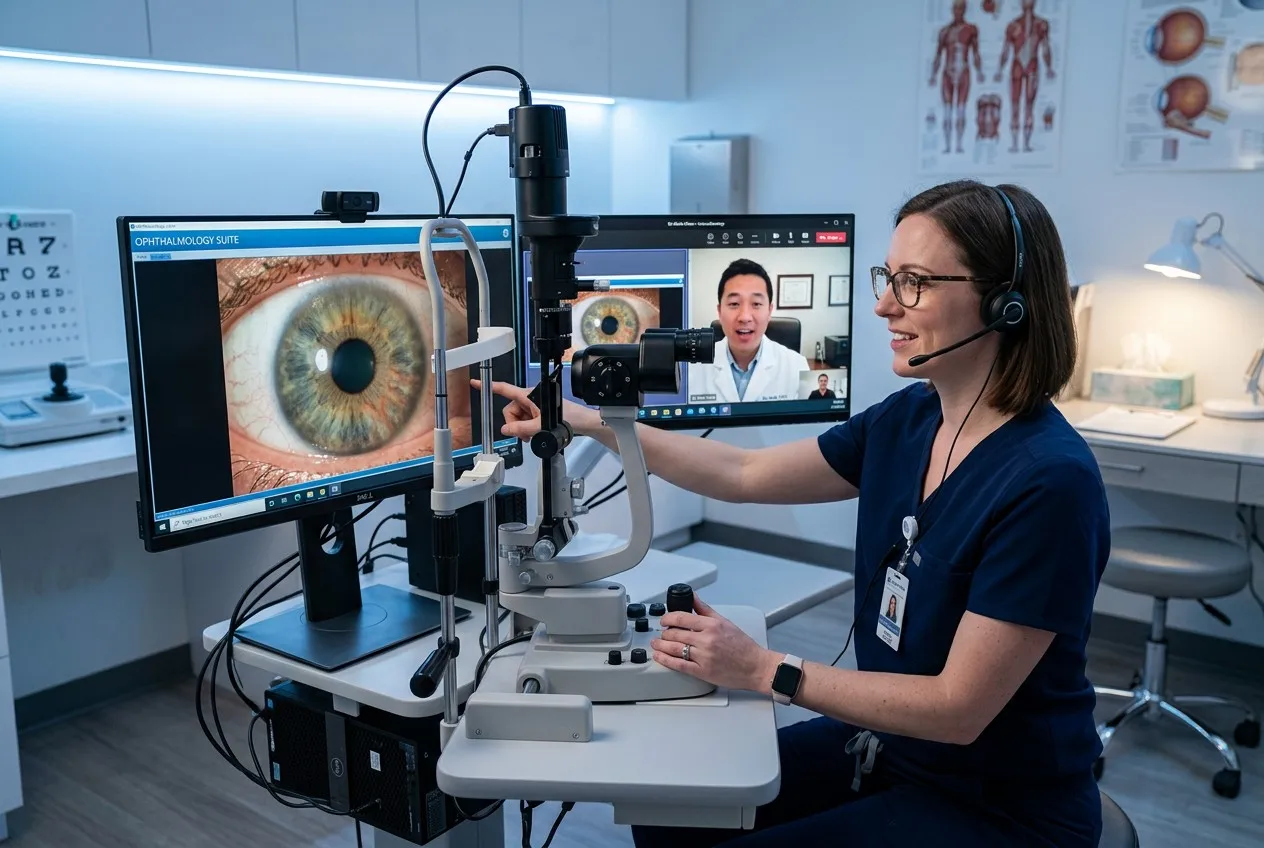
Are you still relying on hand-drawn sketches to record what you see in the eye? While traditional slit lamps have served us for decades, the shift toward digital imaging is changing how clinics operate. We help you decide if upgrading to a digital system is a luxury or a necessity for your business.
A digital slit lamp combines high-quality optics with a camera system to capture, store, and share ocular images. While a traditional slit lamp is sufficient for diagnosis, the digital version enhances patient education, allows for remote consultation, and creates a clear paper trail for insurance claims and legal protection.
At Hongdee, I have spent the last 15 years helping doctors transition from “looking” to “recording.” It is a major shift in mindset. We see many distributors now specifically asking for digital solutions because their customers want to see what is happening inside their own eyes. Let us explore why this upgrade might be the best investment you make this year.
What Makes a Slit Lamp “Digital” in 2026?
A “digital” slit lamp is more than just a camera glued to a lens. It is a fully integrated diagnostic workstation that bridges the gap between the exam room and the electronic health record (EHR).
In 2026, a digital slit lamp features high-resolution sensors (often 5MP or higher), integrated software for image management, and seamless EHR connectivity. It allows for “live view” on a monitor so the patient or a student can see the exam in real-time, moving beyond the two-eyepiece limitation.
The Evolution of Ocular Imaging
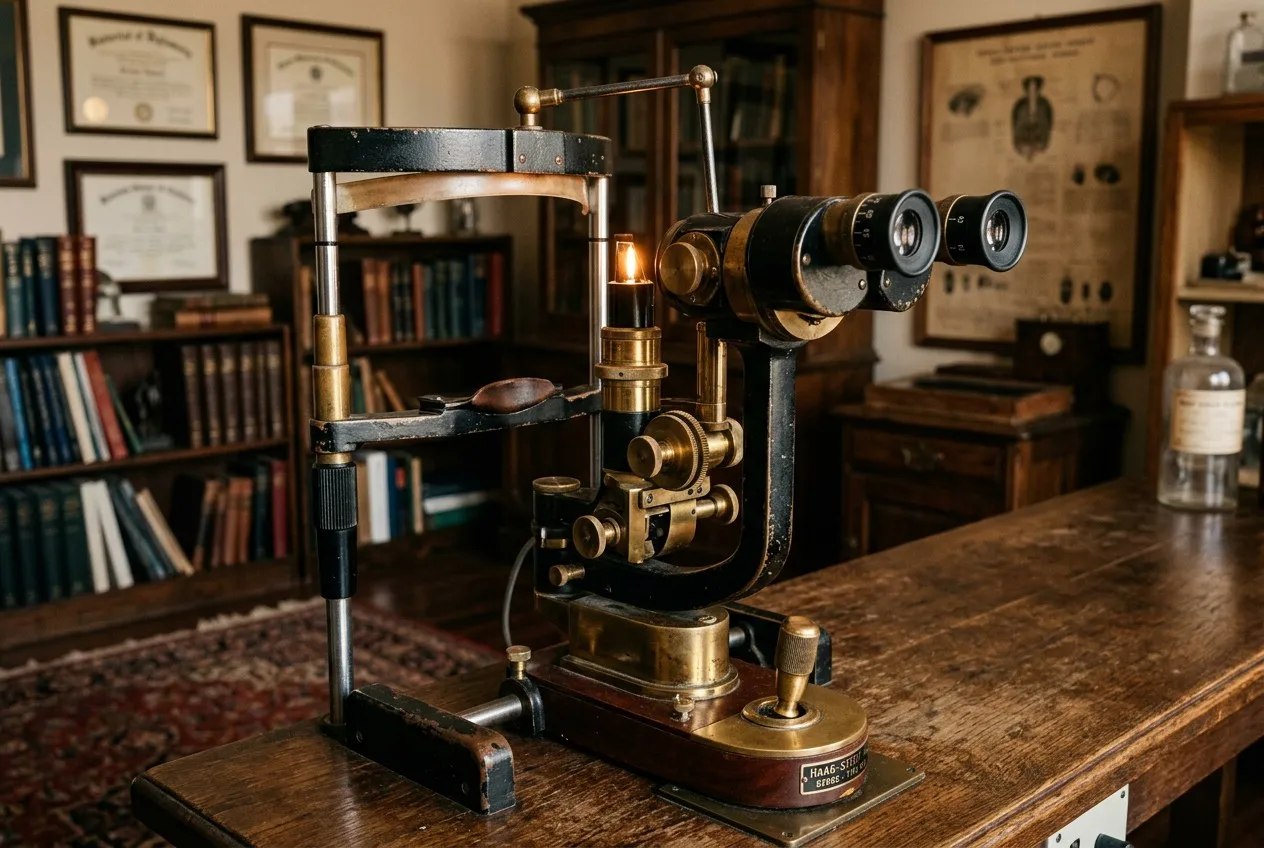
When I started in this industry, “digital” meant a bulky external camera attached to a beam splitter. Today, at Hongdee, we offer integrated systems where the camera is built into the base. This keeps the light path clear and the image quality sharp. The software is the real brain of the system. Our software allows you to adjust brightness, contrast, and color balance with one click. This is critical for spotting subtle changes in the cornea or iris.
We also focus on “workflow integration.” A modern digital slit lamp should not slow you down. It should automatically save photos to the patient’s file. This saves hours of manual data entry every week. For distributors, this is a huge selling point. You are not just selling a machine; you are selling a more efficient workday.
Table: Digital vs. Traditional Slit Lamp Features
| Feature | Traditional Slit Lamp | Digital Slit Lamp |
|---|---|---|
| Documentation | Hand-drawn notes / Sketches | HD Photos / Videos |
| Patient Education | Verbal explanation only | Visual evidence on screen |
| Consultation | Physical presence required | Remote / Tele-ophthalmology |
| Insurance Claims | Text-based reports | Visual proof of pathology |
| Research/Teaching | One person at a time | Multi-user live view |
| Data Storage | Physical paper files | Secure digital database |
How Does Image Capture Change Patient Trust and Clinic Revenue?
In the modern world, “seeing is believing.” If you can show a patient a high-definition photo of their cataract or corneal ulcer, they are much more likely to follow your treatment plan.
Image capture builds immediate patient trust by providing visual proof of your diagnosis. This leads to higher treatment compliance and increased revenue from premium procedures. Clinics using digital imaging often see a 20-30% rise in conversion for surgeries like LASIK or premium IOLs because patients feel more confident in the data.
The “Wow Factor” and Patient Loyalty
I have seen it happen hundreds of times. A patient sits down, and the doctor shows them their own eye on a 24-inch monitor. The patient’s eyes widen. They say, “Wow, I’ve never seen that before.” This creates a bond. You are no longer just a doctor; you are a partner in their health. They go home and tell their friends. This “word of mouth” is the most effective marketing for any clinic.
From a revenue perspective, digital imaging is a game-changer. In many countries, you can bill insurance companies for “diagnostic photography.” This is a separate code that adds to your bottom line. Even if you don’t bill separately, the time saved in explaining a condition is valuable. A picture really is worth a thousand words when you are trying to explain why a patient needs a specific surgery.
Leveraging Visual Data for Marketing
At Hongdee, we encourage our clinic partners to use their (anonymized) images for education. You can create a “gallery of success” on your website. This positions you as a high-tech expert in your community. When distributors buy our digital systems, we provide them with marketing materials that highlight these patient benefits. We want you to win, so we provide the tools to help you sell.
What Are the Real Cost Differences — Purchase and Long-Term?
The price tag is usually the first thing people look at. But you have to look at the “total cost of ownership” over five to ten years.
A traditional slit lamp costs between $3,000 and $7,000, while a high-end digital system can range from $8,000 to $18,000. However, the digital system often pays for itself within 12-18 months through increased procedure volume, insurance reimbursements, and time saved in documentation and patient education.
The Hidden Costs of Staying Traditional
It is easy to think that a traditional slit lamp is “cheaper.” But what is the cost of a lost insurance claim because you didn’t have a photo? What is the cost of a patient going to a “fancier” clinic down the street? At Hongdee, we offer a 2-3% delay discount because we know that every day you wait for equipment is a day of lost revenue. We also provide free repairs to keep your long-term maintenance costs at near zero.
We were an OEM for Topcon for three years, so we understand the internal mechanics of these machines. We use the same high-quality optics in our traditional and digital models. This means you don’t have to sacrifice image quality to save money. Our traditional lamps are built to be “digital ready.” You can start with a traditional model today and add an imaging system later when your budget allows.
Table: 5-Year Cost-Benefit Analysis
| Expense Category | Traditional Slit Lamp | Digital Slit Lamp |
|---|---|---|
| Initial Purchase | $4,500 | $12,000 |
| Maintenance | $500 (Bulbs/Mechanical) | $1,200 (Software/Sensor) |
| Insurance Billing | $0 | +$15,000 (Estimated) |
| Patient Referral Inc. | 0% | +15% (Estimated) |
| Total Estimated ROI | Standard | High (150%+) |
Can I Retrofit My Traditional Slit Lamp Instead of Buying a Digital One?
This is the most common question I get from clinic owners on a budget. You already have a good slit lamp, and you don’t want to throw it away.
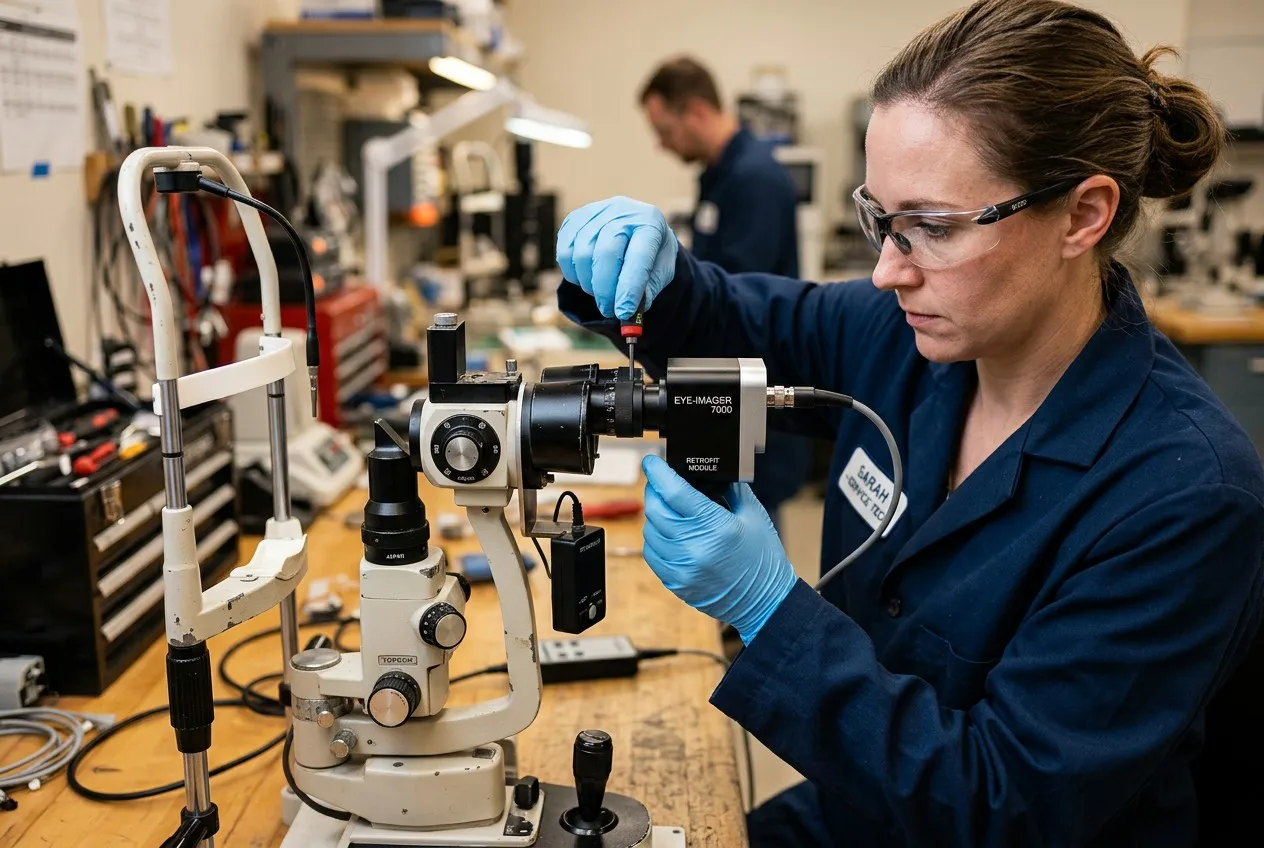
Yes, you can retrofit most traditional slit lamps with a digital imaging system. Hongdee offers a universal imaging module that is compatible with top brands like Topcon, Haag-Streit, and Zeiss. This “retrofit” approach allows you to gain 90% of the benefits of a digital system at about 40% of the cost of a new one.
How the Hongdee Retrofit System Works
I am very proud of our retrofit solution. It is designed to be “plug and play.” You simply replace your existing eyepieces or attach the module to the beam splitter. It connects to your computer via USB. Our software then takes over. You get the same HD imaging and database management as our integrated models. This is perfect for hospitals with 20 traditional lamps that want to modernize without spending a fortune.
For distributors, the retrofit market is huge. There are thousands of traditional slit lamps in your territory that are perfectly fine but “blind.” You can sell them a Hongdee imaging system as an upgrade kit. This builds a great relationship with your clients because you are saving them money while giving them better technology.
Quality Considerations in Retrofitting
When you retrofit, you have to be careful about light loss. Some cheap adapters steal too much light from the eyepieces. Our Hongdee beam splitters are optimized for a 50/50 or 70/30 split. This ensures that the doctor can see clearly through the eyepieces while the camera gets enough light for a crisp photo. We use professional-grade sensors that handle low-light conditions beautifully.
Which One Should I Choose for a Multi-Doctor Practice?
If you are managing a group practice or a hospital department, your needs are different from a solo practitioner. You need standardization and ease of use.
In a multi-doctor practice, digital slit lamps are almost mandatory. They allow for standardized documentation across all patients, regardless of which doctor is on duty. Digital systems also facilitate internal consultations and peer reviews, which are essential for maintaining high clinical standards and reducing medical errors.
Managing Data Across Multiple Rooms
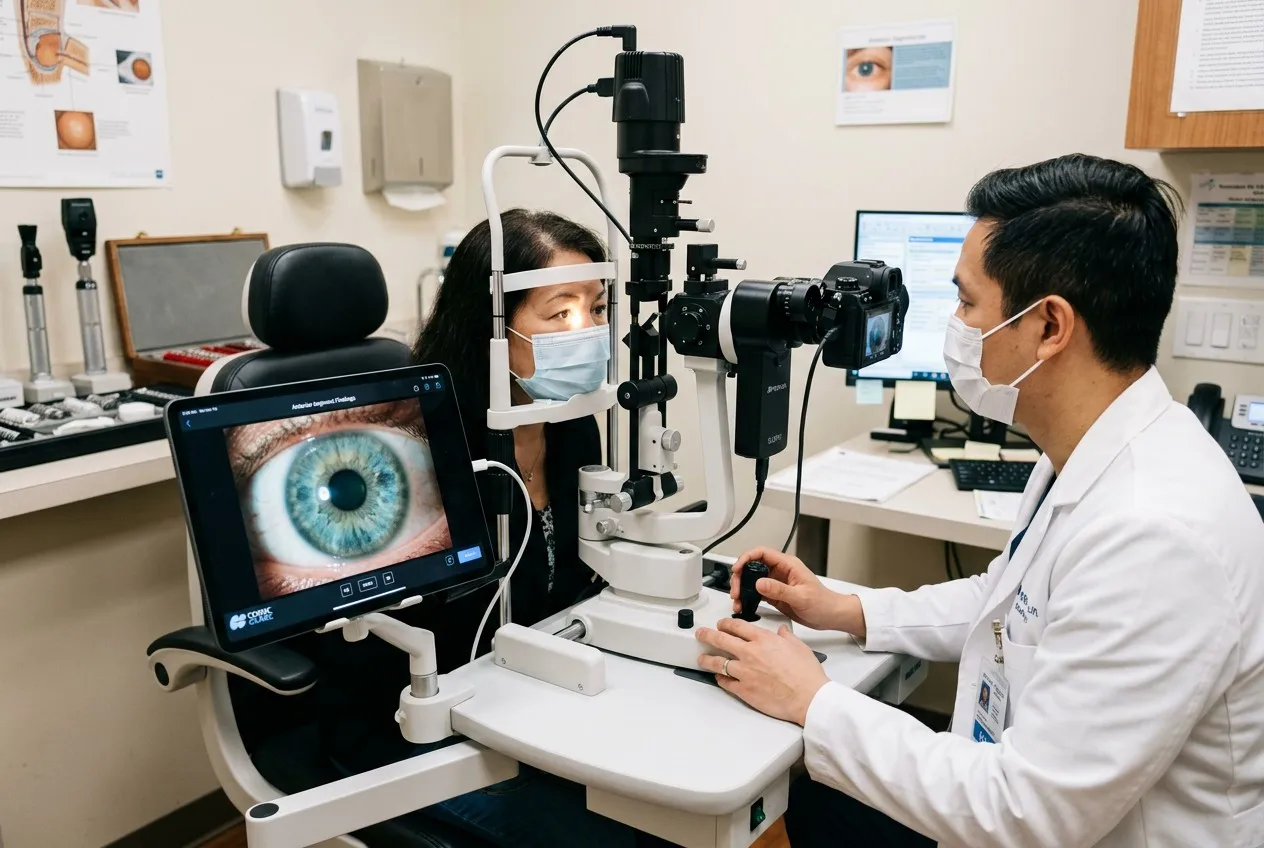
In a big clinic, you might have five exam rooms. If they are all digital, the doctors can see a patient’s entire history from any room. At Hongdee, our software supports network installation. This means all images are saved to a central server. If a patient comes in for a follow-up, the doctor can pull up the photo from six months ago and place it side-by-side with today’s live view.
This “side-by-side” comparison is invaluable for tracking the progress of a disease or the healing of a surgical site. It also helps in training junior doctors. Senior partners can review the images captured by associates at the end of the day. This is a built-in quality control system for your practice.
Durability for High-Volume Use
We know that in a hospital, machines are treated roughly. People are in a hurry. That is why we build our slit lamps with robust mechanical bases. We use high-precision bearings that stay smooth even after thousands of patient exams. And if something does go wrong, our CEO is just a message away. We don’t have a complicated “ticketing system.” We have people who care about your success.
Why Partner with Hongdee for Your Slit Lamp Needs?
Choosing a manufacturer is about more than just the product. It is about the support you get after the sale.
Hongdee offers 15 years of manufacturing expertise, including a history as a Topcon OEM. We provide a 2-3% delay discount, free repairs, and direct access to our leadership. Our range of integrated digital systems and universal retrofit modules ensures we have a solution for every budget and every clinic size.
Global Standards and Local Support
We take our certifications seriously. We are ISO 13485, CE, and FDA compliant. This means our equipment meets the highest safety and quality standards in the world. For our distributors in the US and Europe, this makes importation and sales easy. You don’t have to worry about regulatory hurdles when you work with us.
We also offer live factory tours. I invite you to join a video call and see our production facility in China. You can see how we test the optics and calibrate the digital sensors. We believe in transparency. If you see how we build it, you will understand why we are so confident in our 15-year history.
Frequently Asked Questions (FAQ)
What is the MOQ for digital slit lamps?
For our standard models, the MOQ is just 1 unit. We want to help new clinics get started.
Does your software work with my existing EHR?
Our software supports DICOM and common image formats, making it easy to integrate with most modern EHR systems.
What is the lead time for shipping?
We usually ship within 7-14 days for standard orders. If we are late, our “delay discount” of 2-3% kicks in automatically.
Can I customize the software with my own logo?
Yes, we offer OEM services for distributors. We can add your logo to the software interface and the machine body.
Conclusion
The transition from traditional to digital slit lamps is an investment in your clinic’s future. Digital systems improve patient trust, increase revenue, and provide better clinical data. Whether you choose a new integrated system or a Hongdee retrofit kit, you are moving your practice toward the gold standard of 2026. Contact us today to see how we can help you go digital.