

Checking eye pressure is essential for detecting glaucoma, but the traditional air-puff or Goldmann methods can be scary and uncomfortable. You need a faster, easier way to get accurate readings.
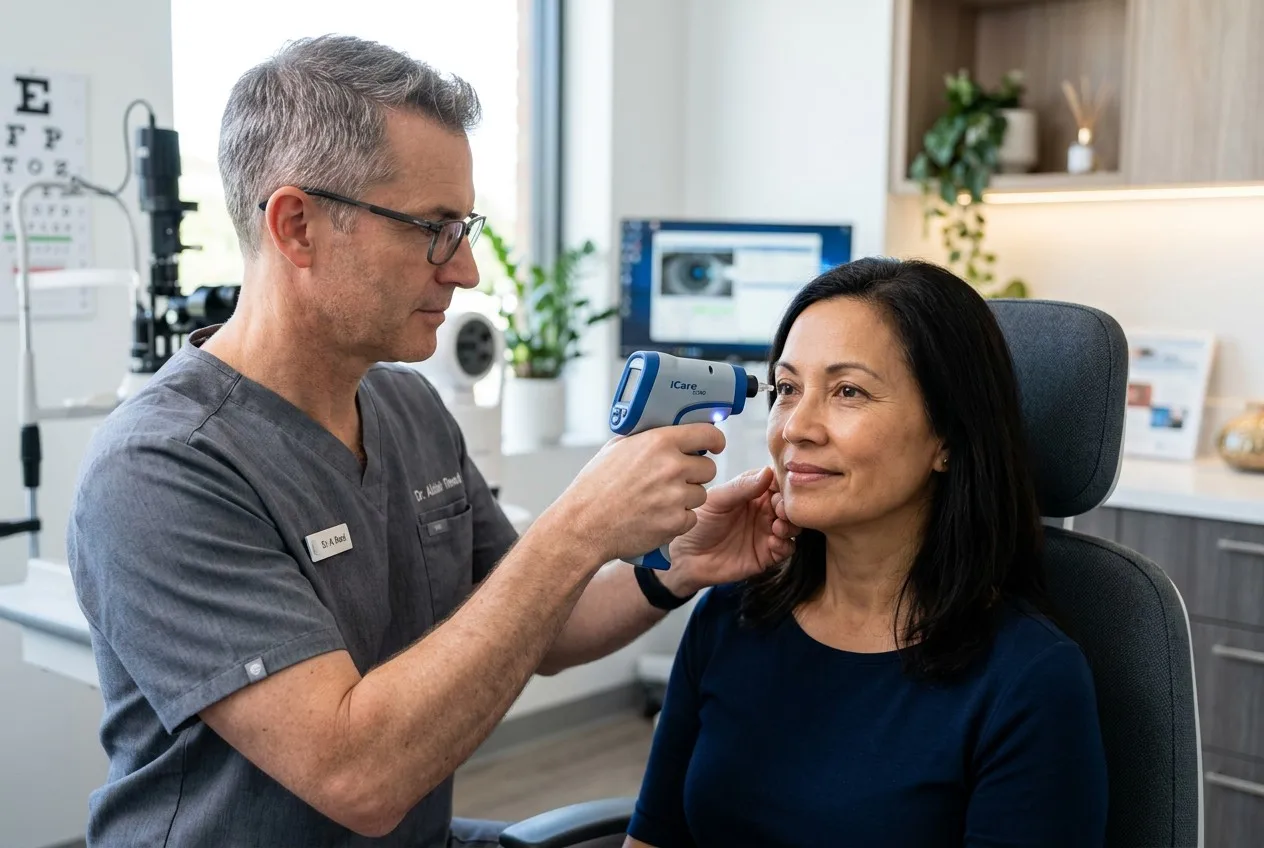
A rebound tonometer is the best choice for modern clinics and vet practices because it is handheld, requires no anesthesia, and uses a tiny, lightweight probe that barely touches the eye. Look for a model with specific modes for different species and a high repeatability score to ensure clinical accuracy without patient stress.
I’ve seen how rebound technology has revolutionized eye care in the last few years. At Hongdee, we’ve developed a unit that is so gentle it can be used on a sleeping child or a nervous cat. Let me explain why this is the only tonometer you’ll ever need.
Why Should I Choose a Rebound Tonometer Over a Traditional One?
If you are still using the “air puff” machine, you know the sound of a patient jumping in the chair. It is loud, startling, and often gives inaccurate readings because the patient is squeezing their eyes shut.
Rebound tonometry is superior because it uses “rebound technology”—a small, magnetized probe that makes momentary contact with the cornea. This process is so fast and gentle that it doesn’t require anesthetic drops, making it perfect for children, sensitive adults, and animals who cannot be sedated for every check-up.
The Patient Experience
Imagine checking a child’s eye pressure without them even knowing it happened. That’s what a rebound tonometer does. At Hongdee, we focus on the “no-fear” exam. Because there is no loud noise and no “puff,” the patient stays relaxed. This leads to more accurate intraocular pressure (IOP) readings because you aren’t fighting the patient’s natural reflex to blink. In my 15 years in this industry, this has been one of the biggest jumps in patient satisfaction I’ve seen.
Portability and Convenience
Unlike a Goldmann tonometer, which is fixed to a slit lamp, a rebound tonometer is handheld. You can take it into the waiting room, to a bedside, or out into the field. This flexibility is a huge advantage. I’ve helped several mobile clinics in the US and Europe set these up. They love that they can get a hospital-grade reading in a tent or a van. It’s also much easier to clean and maintain than a traditional tonometer.
Feature Comparison
| Feature | Rebound Tonometer | Air-Puff (NCT) | Goldmann (GAT) |
|---|---|---|---|
| Anesthesia Needed? | No | No | Yes |
| Patient Comfort | Very High | Low | Medium |
| Portability | Handheld | Desktop | Slit-Lamp Fixed |
| Accuracy | High | Medium | Gold Standard |
| Maintenance | Low | High | Medium |
Can I Use the Same Rebound Tonometer for Humans and Animals?
Many of my customers run “mixed” practices or are distributors who sell to both eye clinics and veterinary hospitals. They want to know if one machine can do it all.
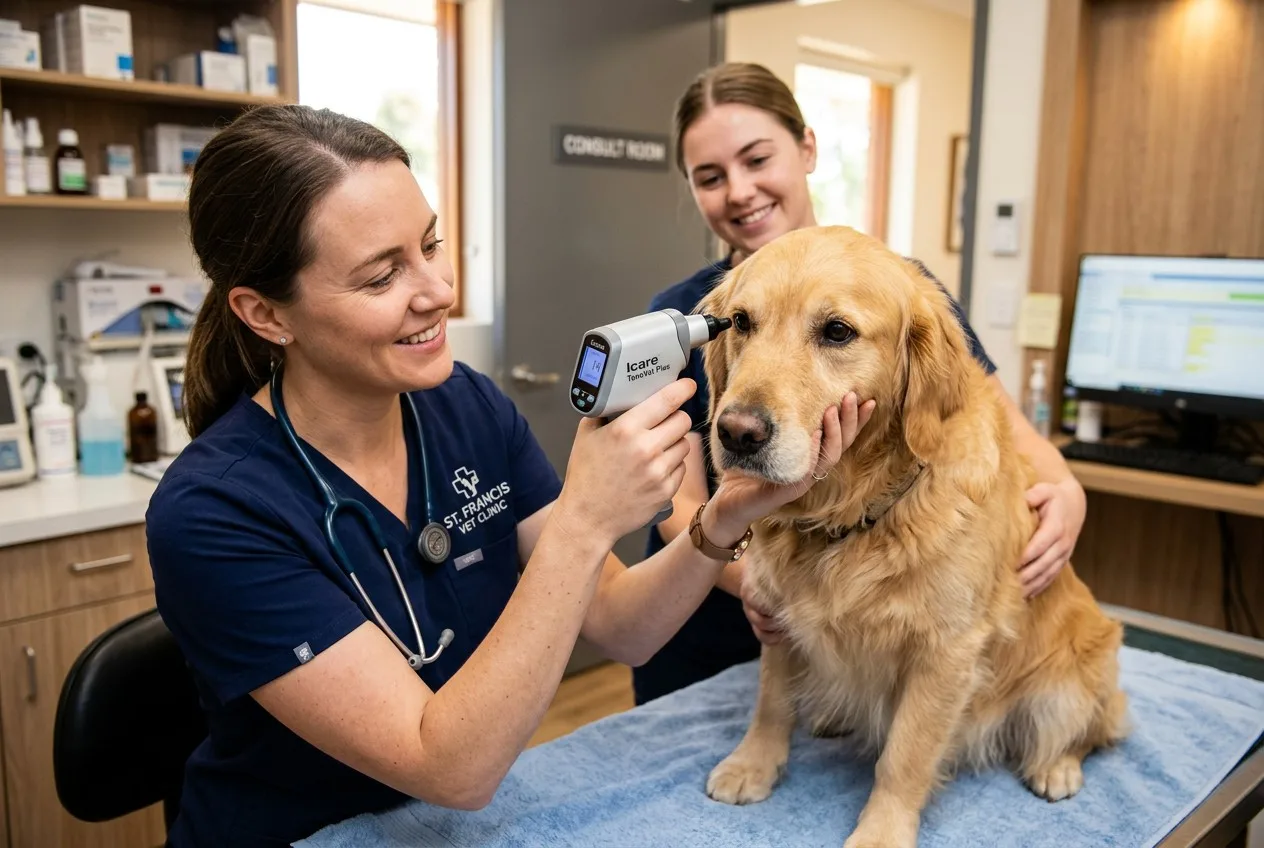
While the core technology is the same, you must use a tonometer with specific software modes for humans, dogs, cats, and rabbits. The corneal thickness and elasticity vary between species, so the machine needs to apply different calibration curves to provide an accurate IOP reading for each patient type.
The Vet Market Opportunity
The veterinary ophthalmology market is booming. Pet owners are more willing than ever to pay for specialized care. I’ve seen a 40% increase in rebound tonometer orders from vet clinics in the last two years. Our Hongdee model is specifically calibrated for cats, dogs, and even rabbits. This means you can serve two markets with one brand. It’s a great way to grow your business without needing twice the equipment.
Cross-Species Accuracy
We spent a long time at Hongdee refining the algorithms for different species. A dog’s eye reacts differently to the probe than a human’s eye. By simply switching the “Mode” on the screen, you are changing the internal math of the device. This ensures that whether you are checking a Golden Retriever or a 6-year-old boy, you are getting a reading you can trust. I often tell my distributors to stock the “Multi-Species” version because it has the highest resale value.
Why One Mode Isn’t Enough
- Humans: Thinner cornea, specific elasticity.
- Dogs: Wider range of normal IOP, thicker corneas.
- Cats: Highly sensitive, requires the fastest possible measurement.
- Rabbits: Specialized research and clinical needs.
What Accuracy Range Should I Expect?
If you are making clinical decisions about glaucoma or post-op care, “close enough” isn’t good enough. You need to know how the rebound method stacks up against the “Gold Standard.”
In 2026, a high-quality rebound tonometer should have a measurement range of 3mmHg to 70mmHg with a repeatability error of less than 5%. When compared to Goldmann Applanation Tonometry (GAT), a clinical-grade rebound unit should show a correlation coefficient of 0.90 or higher, making it reliable for daily screening and monitoring.
The Calibration Advantage
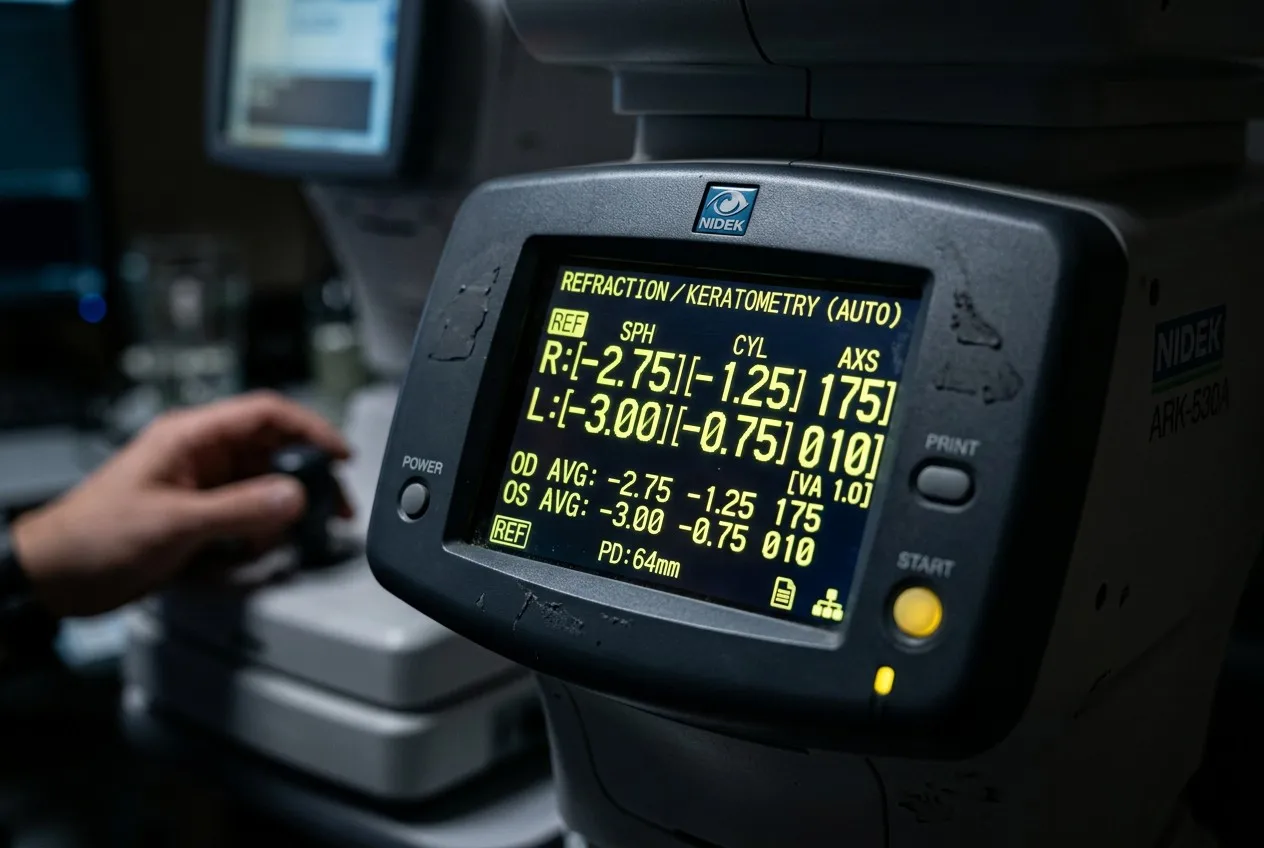
At Hongdee, we calibrate every unit against a known pressure standard before it leaves our factory. We even manufactured for Topcon for three years, so we understand the strict tolerances required for medical devices. Our units use a double-sensor system to measure the probe’s speed both on the way to the eye and on the rebound. This extra data point is what makes our accuracy so high. I invite you to see this for yourself during one of our live factory video tours.
Understanding the Deviation
It is important to remember that no tonometer is 100% perfect every time. Corneal thickness (CCT) can affect readings. However, for 95% of patients, the rebound method is more than accurate enough for screening. If you find a reading of 25mmHg in a patient who usually has 15mmHg, you know you need to investigate further. It’s the perfect “early warning system” for your clinic.
Accuracy Standards for 2026
- Screening Grade: +/- 2.0mmHg deviation.
- Clinical Grade (Hongdee): +/- 1.2mmHg deviation.
- Reference Grade: +/- 0.5mmHg (Usually only for research).
How Much Does a Good Rebound Tonometer Cost — And Is It Worth It?
You’ll see rebound tonometers priced from $1,000 to $5,000. It’s a big range, and it can be hard to know if you are overpaying or buying a toy.
A reliable, clinical-grade rebound tonometer costs between $2,000 and $3,500 in 2026. The primary cost drivers are the sensor quality, the software calibration, and the inclusion of FDA/CE certificates. While the initial investment is higher than some other tools, the savings in anesthesia, time, and patient cooperation make it highly profitable within the first year.
Breaking Down the ROI
Let’s look at the numbers. If you save 5 minutes per patient because you don’t need drops or a slit lamp, and you see 10 patients a day, you’ve saved 50 minutes. Over a month, that’s nearly 20 hours of staff time. At Hongdee, we focus on this “value per minute.” We also offer a 2-3% discount if we ship late—though with our 15 years of experience, we’ve perfected our logistics. We want your machine working for you, not sitting in a warehouse.
Consumables: The Real Cost
One thing other brands don’t tell you is the cost of the probes. Rebound tonometers use disposable probes for hygiene. If the probes are too expensive, your cost-per-test will be too high. We keep our probe prices competitive because we want you to use the machine every day, not just for “special” cases. I always tell my 300+ customers: look at the 5-year total cost of ownership, not just the sticker price.
Budget Checklist
- Device Price: $2,500 – $3,500
- Probe Cost: $0.50 – $1.00 per patient
- Batteries: Usually AA or rechargeable (Low cost)
- Warranty: Look for at least 1-2 years.
How Do I Maintain and Calibrate My Rebound Tonometer?
Because it is a handheld device, it’s easy to drop or misplace. You need a tool that is rugged and a supplier that helps you keep it in top shape.
Maintenance for a rebound tonometer is minimal: simply keep the probe tube clean and replace the probe for each patient. Most units perform a self-calibration check every time they are turned on. If the unit does need a professional recalibration, look for a supplier like Hongdee that provides free repairs and direct access to technical support via video call.

Easy Daily Care
The most common issue I see is a dirty probe tube. Dust can get inside and slow down the magnet. We include a simple cleaning tool with every Hongdee tonometer. It takes 30 seconds to clean. I also suggest keeping the unit in its protective case when not in use. We use high-impact plastics for our housing, but it is still a precision instrument. If you ever have a technical question, you can even message our CEO directly—we pride ourselves on that level of access.
Shipping and Support
Since we have 60+ distributors worldwide, help is never far away. If your unit needs a deep repair, we ship parts via DHL Express immediately. We also provide “how-to” videos for everything from changing the batteries to interpreting error codes. We’ve been doing this for 15 years, so we’ve seen every possible problem and have a solution ready for you. We also provide all the FDA and CE paperwork you need to import the device without a headache.
Maintenance Schedule
- Daily: Clean the probe base.
- Weekly: Check the battery levels.
- Monthly: Inspect the probe tube for dust.
- Yearly: Factory calibration check (optional but recommended).
Conclusion
A rebound tonometer is a “must-have” for any modern practice that values patient comfort and diagnostic speed. Whether you are treating humans or animals, the ease of use and accuracy of the rebound method will transform your workflow. At Hongdee, we are here to support you with the best technology and the most reliable service in the industry. Let’s make eye pressure checks something your patients don’t have to fear.