


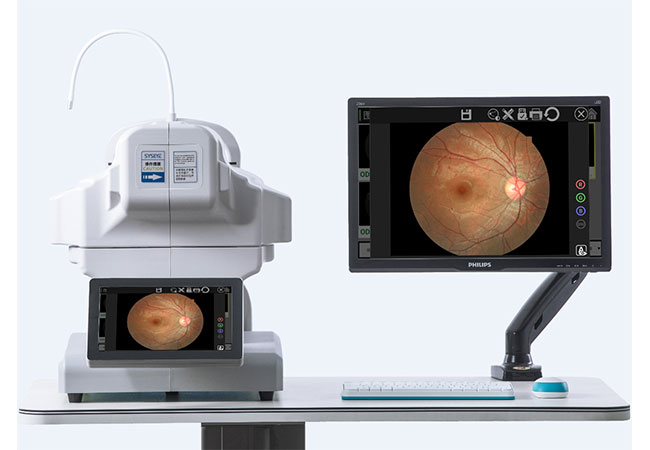
Import cost errors often begin before shipment, when a buyer treats one regional tax estimate as if every Southeast Asian customs system worked the same way.
Import duties and taxes depend on the destination country, tariff classification, customs value, origin, relief or suspension scheme, and importer status. Verify each shipment through that country’s official tariff and tax channels.
We use Singapore, Malaysia, and Thailand as clear examples of the verification process. They are not a single Southeast Asia rulebook, and this article does not provide a universal rate.
How do you verify Singapore import tax for ophthalmic equipment?
A supplier quote may show freight and equipment value, but Singapore’s import treatment still depends on the permit, customs value, and applicable scheme.
For Singapore, verify classification and duty through Singapore Customs, then assess import GST and documentation through IRAS; do not assume medical equipment is automatically exempt.
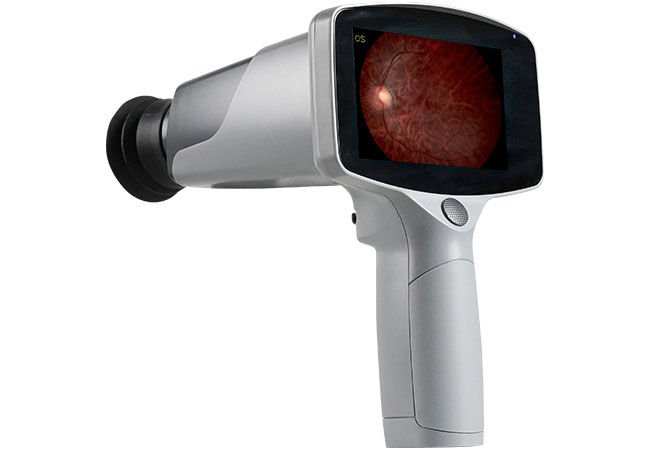
Separate duty from import GST
IRAS states that GST is imposed on most goods imported into Singapore, whether or not the importer is GST-registered. Its import guidance says import GST is generally calculated on CIF value plus duties, commission, and incidental charges. The page also states that GST is collected by Singapore Customs and that input-tax claims require import permits showing the importer, subject to the conditions.
That gives a buyer a verification path, not a shortcut. First identify the product’s technical description and likely HS heading. Then ask the importer or customs agent to confirm the classification in the current Singapore Customs system. Next review whether the shipment is entering customs territory, a free trade zone, a licensed warehouse, or an approved suspension scheme. A re-import after repair may have a different treatment from a new commercial import.
| Check | Singapore question | Record to keep |
|---|---|---|
| Classification | Which current tariff line fits the device’s function? | Ruling or agent advice, product literature |
| Customs value | What belongs in CIF and incidental charges? | Invoice, freight, insurance |
| Tax | Is import GST payable, suspended, or relieved? | Permit and scheme evidence |
| Recovery | Can the importer claim input tax? | Correct importer name and permit |
Use the permit as the audit anchor
An incorrect importer name or mismatch between invoice and permit can affect the tax record. We recommend comparing the pro forma invoice, commercial invoice, packing list, serial numbers, and permit before release. If a buyer is GST-registered, its accountant should confirm the input-tax treatment. A distributor should not promise that a customer can recover tax simply because the customer has a tax number.
The IRAS import GST guidance also describes temporary imports and re-imports of value-added goods. Those provisions may matter when equipment moves for repair, but eligibility depends on conditions and records. They do not make every return shipment tax-free.
What should you check in Malaysia before importing an ophthalmic device?
Malaysia’s sales-tax and customs treatment can turn on the product’s tariff line, exemption status, importer details, and current orders. A regional spreadsheet is not enough.
For Malaysia, confirm the HS classification and duty with Royal Malaysian Customs, then check the current sales-tax treatment and any approved exemption or relief before pricing landed cost.
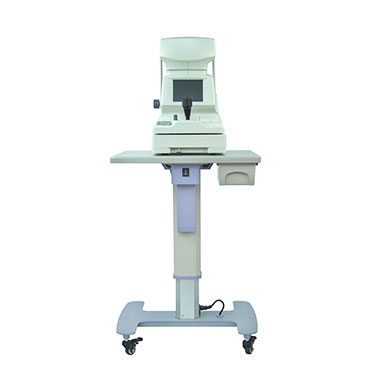
Begin with classification evidence
Prepare a classification packet before asking for a customs quote. Include the device name, function, operating principle, standalone or system status, accessories, brochures, photographs, and a precise invoice description. “Medical equipment” is too broad for a reliable classification decision. A slit lamp, refractive instrument, camera, table, and accessory may not be treated identically.
Then use Royal Malaysian Customs’ current tariff and customs information channels or ask a licensed customs agent to document the proposed line. Confirm the effective date of any tariff order or sales-tax order. Do not copy a rate from a freight forwarder’s old worksheet. If the importer believes an exemption applies, request the legal basis, eligible importer conditions, application or approval requirements, and evidence required at clearance.
Map the tax owner and cash flow
The buyer should identify who is importer of record, who pays customs, who bears sales tax, and who may apply for relief. This matters for distributors, consignment, and temporary exhibition units. “Delivered duty paid” may allocate payment, but it does not remove classification or record-keeping duties.
| Document | Why it matters in Malaysia | Buyer action |
|---|---|---|
| Commercial invoice | Supports value and description | Match model and serial details |
| Packing list | Supports quantity and package identity | Check accessories separately |
| Import declaration | Records classification and tax basis | Review before final submission |
| Exemption evidence | Supports relief claim if available | Confirm issuer, period, conditions |
Ask for a written exception path
If a device is repaired, returned, donated, or imported for demonstration, ask Customs or the agent how that specific movement is treated. A distributor should retain the export and re-import records. The phrase “medical device” alone is not proof of relief. At Hongdee, we recommend checking the destination’s current official pages on the date of quotation and recording that date in the procurement file.
How do Thailand’s customs and VAT checks differ for ophthalmic equipment?
Thailand’s import calculation cannot be safely inferred from a neighboring country. Product classification, customs value, origin, and VAT treatment must be verified locally.
For Thailand, use the Thai Customs tariff and import-procedure resources, confirm the classification and customs value, then verify import duty and VAT with the importer or licensed broker.

Treat tariff selection as a technical exercise
Thailand Customs provides tariff and import information through its official channels. A buyer should give the broker the same technical packet used for Malaysia or Singapore, then ask for the proposed HS code, duty basis, VAT basis, origin treatment, and required permits. If preferential origin is claimed under a trade agreement, verify the certificate or origin evidence instead of assuming the supplier’s country is enough.
The Thailand government information page on imported goods explains that imported goods can be subject to import duty and VAT and that product categories have different tariff rates. That is the useful lesson: tax type and verification path matter more than a generic percentage in a blog post. A quote should show whether the estimate includes customs duty, VAT, brokerage, port fees, storage, inspection, and local delivery.
Build a broker-ready release file
Provide a purchase order, invoice, packing list, transport document, product literature, intended use, country of origin, and any regulatory or import permit information requested by the broker. Keep the unit’s serial number and declared value consistent. If Customs asks for clarification, do not change the description casually to obtain a preferred rate. An inaccurate description can create later reassessment or compliance risk.
| Decision point | Question to ask | Escalation |
|---|---|---|
| Origin | Is preferential treatment being claimed? | Obtain valid origin evidence |
| Value | Does the customs value include required additions? | Ask broker to document basis |
| Product control | Is an agency permit or registration relevant? | Confirm with Thai regulator |
| Tax | Are duty and VAT shown separately? | Reconcile before payment |
How can a distributor compare landed cost across Southeast Asian countries?
A “lowest tax country” comparison can mislead when it ignores broker fees, permits, cash flow, storage, and the cost of correcting a declaration.
Compare landed cost using country-specific assumptions and documents, with duty, tax, fees, relief, timing, and importer responsibility shown as separate fields.

Use a country-by-country worksheet
We recommend a worksheet with one tab per destination. Include product identity, proposed HS code, origin, Incoterm, customs value, freight and insurance, duty basis, import tax basis, brokerage, permits, inspection, storage, inland delivery, payment timing, and evidence source. Add a “checked on” date. When an official page is silent, write “confirmation required,” not zero.
This structure also helps with product bundles. A motorized table shipped with a device may be classified differently from a standalone instrument. Accessories may affect description and value. Split lines only when the broker confirms that the split reflects the actual shipment and rules.
Protect the procurement decision
Ask two independent questions: “What amount may be payable?” and “What evidence makes that amount defensible?” The first supports budgeting. The second supports clearance. A broker estimate is useful, but an official tariff tool, customs decision, tax guidance, or written authority response is stronger evidence. Keep uncertainty visible in the purchase approval.
For product specifications and a quote request, buyers can review Hongdee’s ophthalmic auto-refractometer page and contact page, then reconfirm the exact model, origin documents, packaging, and destination requirements before ordering.
Sources and scope
Official sources checked 2026-10-12: IRAS Singapore import GST guidance; Thailand government imported-goods tax overview; Thailand Customs English portal. Malaysia requires current classification and sales-tax confirmation through Royal Malaysian Customs or its licensed broker; rates and relief were intentionally not generalized. This is procurement education, not tax advice.
Conclusion
Use official country channels, preserve classification evidence, and separate duty, tax, fees, and relief. For a country-specific quote, contact Hongdee with the exact model and destination.