

How Do You Build a Glaucoma Diagnostic Service Line and What Equipment Do You Need?
Patients lose sight to glaucoma every day. It is silent, and it is slow. So a clear service line, backed by the right tools, helps you catch it early and act fast.
To build a glaucoma diagnostic service line you need a tonometer for intraocular pressure, a perimeter for visual fields, and a fundus camera for the optic nerve. At Hongdee we group these three into one simple workflow so you screen, confirm, and monitor without gaps.
So let me walk you through how I set this up, step by step. I will cover the workflow, the specs, the real clinic use, the cost, and the after-sales support. My goal is a line you can run with confidence, no matter where you practice.
Why Does Early Glaucoma Detection Need a Structured Workflow?
Many clinics test pressure and stop there. But glaucoma hides behind normal numbers. So a loose process misses eyes that already have damage.
A structured workflow screens every at-risk patient, confirms with repeat testing, and tracks change over time. We at Hongdee design our devices to pass data forward so each visit builds on the last, not starts over.
Glaucoma is a long game. You are not looking for one bad reading. You are looking for a trend. So your workflow needs three stages that work together.
Stage One: Screen Broadly
Start with fast pressure checks on all adult patients. A rebound tonometer is quick and needs no drops, so staff can run it in minutes. This finds the first clues.
Stage Two: Confirm Carefully
When pressure looks high, or the optic disc looks odd, you move to confirmation. Here you repeat tonometry, add a visual field test, and image the nerve. One flag is never enough. You want agreement across tests.
Stage Three: Monitor Over Time
Confirmed patients come back on a schedule. You repeat the same tests so you can compare like with like. This is where consistent equipment really matters.
| Workflow stage | Primary tool | Goal | Visit frequency |
|---|---|---|---|
| Screen | Rebound / NCT tonometer | Flag high IOP | Every eye exam |
| Confirm | Applanation tonometer + perimeter | Rule in or out | 1–2 follow-ups |
| Monitor | Perimeter + fundus camera | Track change | Every 6–12 months |
This structure works the same in Australia, Brazil, or the UAE. The regions differ, but the disease does not. So a clear path keeps your team aligned and your patients safe.
What Equipment Specs Matter Most for Glaucoma Testing?
Specs can feel like noise. Too many numbers, too little meaning. So you buy on brand and hope for the best. That is a risk with eyes on the line.
Focus on tonometer accuracy and repeatability, perimeter test pattern and reliability indices, and fundus camera resolution and field of view. These three specs drive whether your data is trustworthy enough to guide care.

Let me break down what I actually look at when I compare devices. I keep it practical, because specs only matter when they change a decision.
Tonometry Accuracy
Goldmann applanation is still the common reference for intraocular pressure. Non-contact (air puff) tonometers are fast and good for screening, but you want them to agree closely with applanation. Rebound units are gentle and portable, which helps with children and anxious patients.
Perimeter Reliability
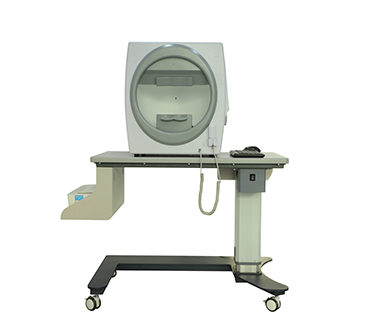
A visual field machine is only as good as its reliability indices. You want low false positives, low false negatives, and low fixation loss. A clear test strategy, like a standard threshold pattern, keeps results comparable between visits.
Fundus Camera Clarity
To see the optic nerve, you need resolution and a wide enough field. A good fundus image lets you judge the cup-to-disc ratio and spot nerve fiber thinning.
| Device | Key spec | Why it matters |
|---|---|---|
| Tonometer | Agreement with applanation | Trustworthy IOP numbers |
| Perimeter | Reliability indices | Valid field results |
| Fundus camera | Resolution + field of view | Clear nerve assessment |
Match the specs to your real use. Because a number on a page means nothing if it does not help you decide.
How Does the Equipment Fit Real Clinic Use Cases?
A device can look great in a brochure and still frustrate your staff. Long setup, hard cleaning, confusing screens. So daily use is where many tools fail.
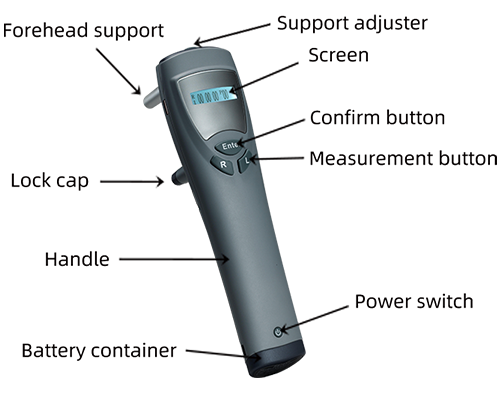
Pick tools that match your patient flow. We at Hongdee build for mixed clinics, so a rebound tonometer suits busy screening, while a fundus camera and perimeter anchor your confirmation and monitoring rooms.
Think about who walks through your door. In a general optometry store in Southeast Asia, you may screen hundreds of walk-ins. In a referral clinic in Germany, you may run deep confirmation on fewer, higher-risk eyes.
High-Volume Screening
Here speed and comfort win. A rebound or non-contact tonometer lets staff check pressure fast, with no drops and little discomfort. This keeps your line moving and your patients calm.
Focused Confirmation
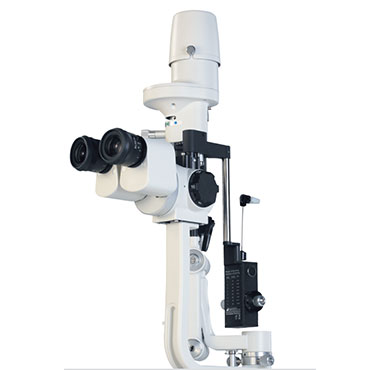
When you suspect glaucoma, you slow down. You pair applanation tonometry with a perimeter and a fundus camera. The patient may spend more time, but the data is richer. This is the room where diagnoses are made.
Long-Term Monitoring
Your known patients need steady tracking. Use the same perimeter and fundus camera each time so you compare clean data. Small, repeatable steps reveal slow change.
A practical tip: train every staff member on the screening tools, but keep a smaller trained group on the confirmation tools. This spreads the load and protects quality. So your clinic runs smoothly even on busy days.
What Should You Budget and Plan for the Full Service Line?
Equipment is a real investment. Buy too little and you miss cases. Buy too much too soon and you strain cash flow. So planning matters as much as picking.
Budget in phases. Start with tonometry, add a fundus camera, then a perimeter as volume grows. We at Hongdee help you stage purchases so your spend tracks your patient demand, not the other way around.
Money questions are health-adjacent, so I keep claims honest. I will not promise a payback date, because that depends on your market, pricing, and volume. Instead I share how I phase the spend.
Phase One: Entry
Begin with a reliable tonometer. It is the cheapest entry to glaucoma screening and it touches every patient. This builds your pipeline of flagged cases.
Phase Two: Imaging
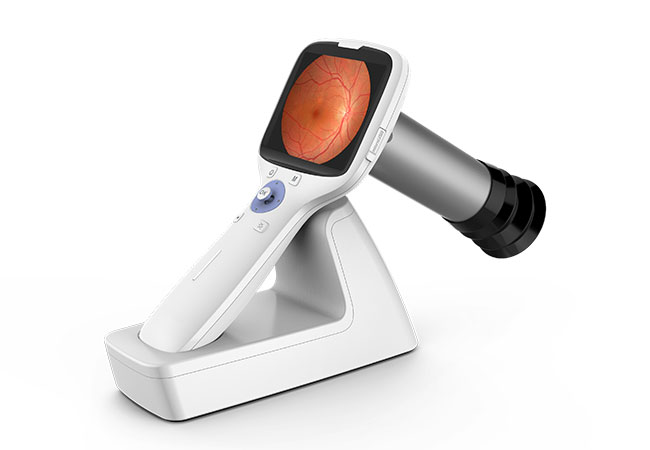
Add a fundus camera next. It upgrades your confirmation quality and gives you images to share with patients and referral partners. Images also help patients understand their own eyes.
Phase Three: Fields
Add a perimeter once you have steady confirmation volume. It is the tool that tracks functional change over years.
| Phase | Add this | Rough priority | Space need |
|---|---|---|---|
| 1 | Tonometer | First | Minimal |
| 2 | Fundus camera | Second | Small room |
| 3 | Perimeter | Third | Quiet, dim room |
Remember compliance across markets. Depending on where you sell and use the device, you may deal with FDA, CE, TGA, ANVISA, or PMDA. Always check the local body before you import. Because the right paperwork keeps your service legal and your patients protected.
How Do You Keep the Service Line Running With Good After-Sales Support?
A device down for weeks is a service line down for weeks. Spare parts stuck in customs, no local training, slow replies. So support can make or break your plan.
Choose a partner with clear warranty terms, fast parts, and remote training. We at Hongdee support our devices after the sale, because a tool that sits broken helps no one, least of all your patients.
I treat after-sales as part of the purchase, not an extra. Before you buy, I suggest you ask hard questions and get answers in writing.
Ask About Parts and Calibration
How long do spare parts take to ship to your country? How often should each device be calibrated, and who does it? A tonometer and perimeter both need checking to stay accurate. So a calibration plan protects your data.
Ask About Training and Updates
Will the supplier train your staff remotely, in your language and time zone? Are software updates included? Good training cuts errors and speeds your team up.
Ask About Downtime Cover
Is there a loaner or fast-repair option if a device fails? In regions like South Africa or Brazil, shipping delays are real. So a clear downtime plan keeps your line alive.
| Support item | Question to ask | Why it matters |
|---|---|---|
| Warranty | What is covered and how long? | Limits surprise cost |
| Parts | Shipping time to my country? | Reduces downtime |
| Calibration | Who, how often? | Keeps data valid |
| Training | Remote and in my language? | Fewer errors |
Good support is quiet. You barely notice it, because things just work. That is the point.
Conclusion
Build in stages: tonometer to screen, fundus camera to confirm, perimeter to monitor. We at Hongdee pair solid specs with real after-sales support. So you launch a glaucoma line that is practical, safe, and ready to grow.