

How Do You Choose a Portable Handheld Slit Lamp for Bedside and Home Visits?
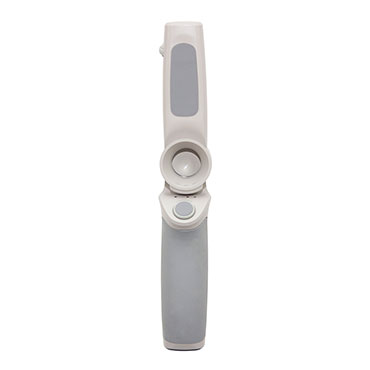
Some patients cannot reach your clinic. They are in bed, in a care home, or far from any chair. But their eyes still need a close look. So a portable slit lamp brings the exam to them.
To choose a portable handheld slit lamp, check magnification and illumination quality, battery life, weight and grip, and durability. We at Hongdee build handheld units that match tabletop clarity while staying light enough for bedside and home visits.
So let me guide you through this choice, step by step. I will cover why portability matters, the specs to compare, real use cases, cost planning, and after-sales support. The goal is a tool you can trust far from your clinic.
Why Choose a Handheld Slit Lamp Over a Tabletop Model?
Tabletop slit lamps are excellent, but they do not move. A bedridden patient cannot sit at one. So you either skip the exam or carry a smaller tool. That gap is where handhelds shine.
A handheld slit lamp reaches patients who cannot reach a clinic. We at Hongdee design ours for mobility, so you examine eyes at the bedside, in care homes, and on home visits, without losing the detail you need.
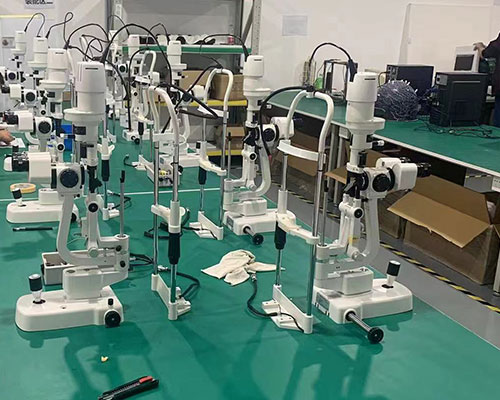
Think about who you cannot see today. An elderly patient in a care home. A post-surgery patient in a hospital bed. A rural patient hours from the nearest clinic. A handheld unit opens all these doors.
Access Over Perfection
A tabletop model gives the finest view, but only to patients who can sit upright and still. A handheld trades a little of that comfort for huge gains in access. For many patients, some exam beats no exam.
Speed in the Field
Handhelds power up fast and need no fixed room. So in a busy ward or a home visit, you move quickly from patient to patient. This matters when your schedule is tight.
A Partner, Not a Replacement
I do not suggest you drop your tabletop unit. Keep it for your clinic. Add a handheld for the field. Together they cover far more patients than either alone.
| Setting | Tabletop fit | Handheld fit |
|---|---|---|
| Clinic room | Excellent | Backup |
| Hospital bed | Poor | Excellent |
| Care home | Poor | Excellent |
| Home visit | None | Excellent |
This logic holds in Australia, South Africa, or Southeast Asia. Wherever patients struggle to travel, a handheld extends your reach. So think of it as a bridge to care.
What Specs Matter Most in a Portable Slit Lamp?
Portable does not mean weak. But some cheap units cut corners on light and optics. So you must read specs carefully, or you end up with a dim, blurry tool.
The specs that matter most are magnification steps, LED brightness and slit width control, battery runtime, and weight. We at Hongdee balance these so you get clear, steady views without a heavy, short-lived device.

Let me walk through the specs I check before I trust a handheld. Each one changes how useful the tool is in the field.
Optics: Magnification and Slit Control
You want at least two magnification steps so you can move from a wide view to fine detail. The slit beam should narrow and widen smoothly, and the light should be bright and even. Good optics let you see the cornea, lens, and front chamber clearly.
Power: Battery and Charging
Battery runtime decides how many patients you see between charges. Look for a unit that lasts a full home-visit round and recharges fast. A swappable battery is a bonus for long days.
Build: Weight and Grip
A handheld is held, often with a shaky patient and a tired hand. So weight and grip matter. A lighter unit with a secure grip gives steadier views and less fatigue.
Durability: Drops and Dust
Field tools get knocked. A rugged body and a protective case protect your investment. Sealed optics resist dust, which helps in dry or dusty regions.
| Spec | What to look for | Why it matters |
|---|---|---|
| Magnification | 2+ steps | Wide and fine views |
| Illumination | Bright, even LED | Clear detail |
| Battery | Full-round runtime | Fewer interruptions |
| Weight | Light, good grip | Steadier exams |
Match specs to your real route. Because a feature you never use in the field is just extra weight in your bag.
How Do Handheld Slit Lamps Perform in Real Use Cases?
A spec sheet cannot tell you how a tool feels in a cramped ward or a dim home. So you must picture the real scene before you buy. That is where many choices go wrong.
In real use, handhelds shine for quick triage, post-op checks, and rural outreach. We at Hongdee tune ours for these moments, so a nurse, optometrist, or doctor can get a clear view in seconds, wherever the patient is.
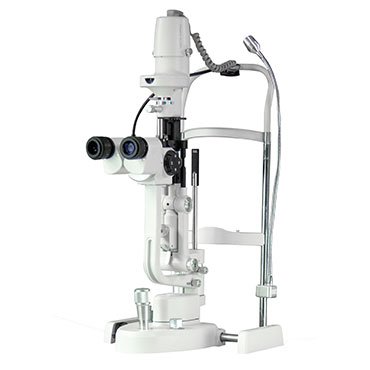
Let me paint a few scenes I have in mind when I design and recommend these tools. Each one shows a different strength.
Bedside Triage
A hospital patient reports a red, painful eye. You cannot move them to a clinic. A handheld lets you check the cornea and front chamber right there. So you decide fast whether this needs urgent care.
Post-Operative Checks
After eye surgery, patients need follow-up. Some cannot travel well. A home visit with a handheld lets you watch healing closely. This catches problems early, when they are easier to treat.
Rural and Outreach Clinics
In remote areas of Brazil or South Africa, patients may live far from any eye service. An outreach team with handheld slit lamps can screen a whole village in a day. So care reaches people who would otherwise go without.
Dry Eye and Surface Checks
A handheld with the right filters helps you assess the tear film and surface, even outside a clinic. This supports dry-eye care on the move.
A practical tip: pack a simple kit. The handheld, a charged spare battery, cleaning wipes, and fluorescein strips. So you are ready for each visit without a return trip. Small preparation saves big delays.
What Should You Budget and Plan for a Portable Unit?
A handheld costs less than a tabletop, but it is still a real purchase. Buy the cheapest and you may get a dim, fragile tool. So plan your spend with care.
Budget for the unit, a spare battery, a protective case, and a cleaning kit. We at Hongdee help you plan the full package, because a handheld without accessories and backups will let you down in the field.
I keep money talk honest, since it touches your clinic’s health. I will not promise a payback date, because that depends on your visit fees and volume. Instead, here is how I plan the spend.
Core Unit First
Buy a solid handheld with good optics and battery. This is the heart of your field kit. Do not cut corners here, because weak optics defeat the whole purpose.
Backups Next
Add a spare battery and a protective case. A dead battery on a home round ends your day early. A case protects against the drops that field tools always face.
Consumables and Spares
Stock cleaning supplies and fluorescein strips. Keep a little budget for wear items, like bulbs or batteries that fade over time.
| Item | Priority | Why you need it |
|---|---|---|
| Handheld unit | First | Core exam tool |
| Spare battery | Second | Full-day runtime |
| Protective case | Second | Survives drops |
| Cleaning kit | Third | Hygiene and clarity |
Mind compliance in every market. Depending on where you import and use the device, you may face FDA, CE, TGA, ANVISA, or PMDA rules. Check the local body before you ship. Because clearing the right path keeps your work legal and your patients safe.
What After-Sales Support Keeps a Handheld Reliable in the Field?
A field tool that breaks far from your clinic is a real problem. No parts, no fast fix, no loaner. So support decides whether a handheld stays useful for years.
Look for a clear warranty, fast battery and part supply, remote training, and a calibration check. We at Hongdee support our handhelds after the sale, because a field tool must keep working far from any repair bench.
I treat support as part of the purchase. Before you buy, ask clear questions and keep the answers in writing.
Batteries and Parts
Batteries fade with use, so how fast can you get replacements in your country? What about bulbs or LED modules? Quick part supply keeps your handheld alive for many trips.
Training and Updates
Will the supplier train your team remotely, in your language and time zone? A short, clear training session helps a nurse or technician use the tool well. Good training means better views and fewer mistakes.
Calibration and Checks
Even a handheld benefits from a periodic check to confirm its light and optics perform. Ask who does this and how often. A simple check keeps your exams trustworthy.
| Support item | Ask this | Why it matters |
|---|---|---|
| Warranty | Coverage and length? | Limits surprise cost |
| Batteries | Supply time here? | Keeps unit running |
| Training | Remote, my language? | Better exams |
| Calibration | Who and how often? | Reliable views |
Good support is quiet but vital. In the field, far from help, you want a partner who answers fast. That is what keeps a handheld working for years.
Conclusion
Choose a handheld on optics, battery, weight, and durability, then plan for backups and support. We at Hongdee build portable slit lamps for real field work. So you reach patients who cannot reach you.