


How Do You Choose a Pupillometer and PD Measurement Tool for an Optical Store?
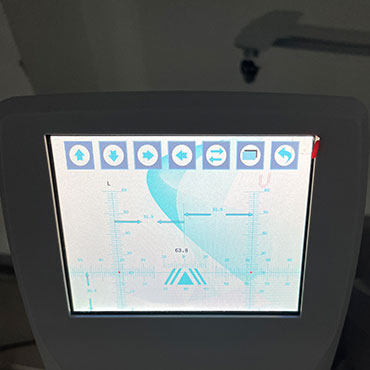
A wrong PD means crooked lenses and tired eyes. Patients bring glasses back, and your staff redo the work. So a reliable PD tool protects your sales and your reputation.
To choose a pupillometer and PD measurement tool, check accuracy, monocular and binocular reading, near and far modes, and ease of use. We at Hongdee build PD tools that give fast, repeatable numbers so your lenses center right the first time.
So let me walk you through this choice, step by step. I will cover why PD matters, the specs to compare, daily store use, budget planning, and after-sales support. The goal is a tool that cuts remakes and keeps patients happy.
Why Does Accurate PD Measurement Matter in an Optical Store?
Many stores still guess PD with a ruler. That feels quick, but it drifts by millimeters. And a few millimeters off can blur vision and cause headaches. So guessing costs you later.
Accurate PD places the optical center of each lens in front of each pupil. We at Hongdee stress this because a wrong PD causes eye strain and remakes, so precise measurement saves money and protects patient comfort.

PD is the pupillary distance, the gap between the centers of your two pupils. Lenses are ground so their optical center lines up with each pupil. So if the PD is wrong, the patient looks through the wrong part of the lens.
Small Errors, Big Effects
A ruler held against a moving face is hard to read exactly. Even one or two millimeters off shifts the optical center. In strong prescriptions, that shift causes real strain. So precision is not a luxury, it is comfort.
Monocular Beats Binocular
Faces are rarely perfectly symmetric. One eye may sit farther from the nose than the other. A monocular PD measures each eye to the nose bridge, so each lens centers correctly. A pupillometer makes this easy.
Near and Far Differ
Eyes turn inward for near work. So the near PD is smaller than the distance PD. A good pupillometer measures both, which helps with reading and progressive lenses.
| PD type | What it measures | When you use it |
|---|---|---|
| Binocular | Total pupil gap | Simple single-vision |
| Monocular | Each eye to bridge | Asymmetric faces |
| Distance | PD looking far | Everyday glasses |
| Near | PD looking close | Reading, progressives |
This matters in Germany, the UAE, or Brazil alike. The faces differ, but the physics is the same. So accurate PD protects every patient, everywhere.
What Specs Should You Compare on a Pupillometer?
Pupillometer spec sheets look simple, but small differences change your results. So you need to know which specs truly matter before you buy.
Compare measurement accuracy, PD range, monocular and near-far modes, screen clarity, and battery life. We at Hongdee tune these so your staff get steady, repeatable numbers without a steep learning curve.
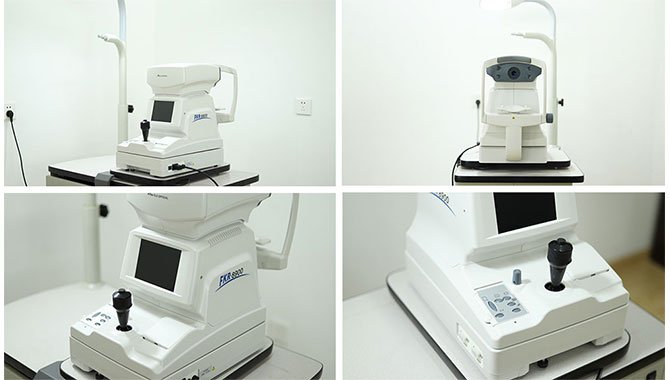
Let me explain the specs I weigh when I compare pupillometers. I keep it practical, because only the specs that change your result are worth your money.
Accuracy and Range
A good pupillometer reads to a fine step, often half a millimeter. It should cover a wide PD range, from small children to large adults. A wide range means one tool serves your whole patient mix.
Measurement Modes
Look for monocular readings and both distance and near modes. These let you handle asymmetric faces and reading glasses without guesswork. More modes mean fewer cases you cannot serve.
Display and Ease of Use
A clear screen and simple buttons cut errors and training time. Your staff should learn the tool in minutes, not days. A fixation target that patients find easily speeds each reading.
Power and Build
Battery life decides how long you go between charges. A solid body survives a busy counter. So durability protects your spend.
| Spec | What to look for | Why it matters |
|---|---|---|
| Accuracy | 0.5 mm steps | Precise centering |
| Range | Child to adult | Serves everyone |
| Modes | Monocular, near, far | Handles all cases |
| Display | Clear, simple | Fast, fewer errors |
Match specs to your real counter work. Because a feature you never touch adds cost, not value.
How Does a Pupillometer Fit Daily Store Workflow?
A tool that slows your counter frustrates staff and patients. Long setup, confusing steps, slow reads. So daily flow decides whether a pupillometer truly helps.
A pupillometer fits right after refraction and before frame selection. We at Hongdee design ours for fast counter use, so staff take a PD in seconds, then move the patient smoothly to frames and lens ordering.
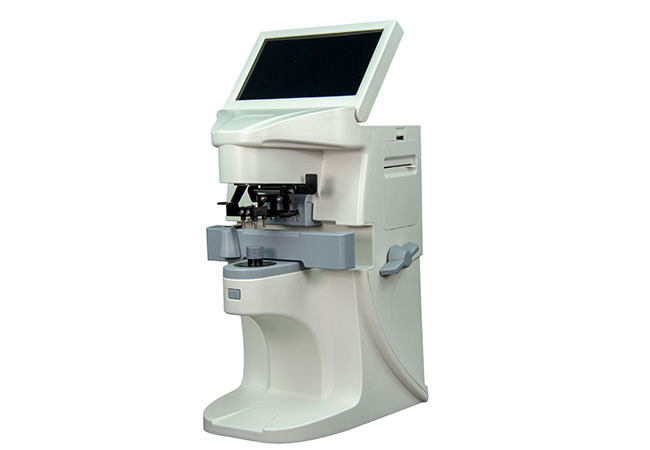
Let me show how a reading fits into a normal store visit. Each step flows into the next, so nothing slows the patient.
Step One: Measure PD Early
Once you have the prescription, take the PD. The patient looks at the fixation target, and the device reads both eyes. This takes seconds and gives you clean numbers.
Step Two: Choose Frames With PD in Mind
With the PD known, you help the patient pick frames that suit their face and fit their centers well. A frame that sits right makes centering easier.
Step Three: Verify Lenses
After lenses arrive, use a lensmeter to confirm the power and the optical center. A digital or automatic lensmeter speeds this and cuts reading errors. So you catch a bad lens before the patient does.
Step Four: Record and Reuse
Save the PD in the patient’s file. Next time, you confirm rather than start over. This speeds repeat visits and builds trust.
A smart counter keeps the pupillometer and lensmeter within easy reach. So in a busy mall store in Southeast Asia or a quiet shop in Australia, your staff never hunt for tools. That saves minutes on every sale, and those minutes add up across a day.
What Should You Budget and Plan for PD and Lens Tools?
Opening or upgrading a measurement station costs money. Buy too little and you keep guessing PD. Buy too much at once and cash gets tight. So plan the spend in stages.
Start with a pupillometer, then add an automatic lensmeter, and pair with your autorefractor as volume grows. We at Hongdee help you phase this, so your investment tracks real demand and stays affordable.

I keep money claims honest, because this touches your store’s health. I will not promise a payback date, since that depends on your prices and traffic. Instead, here is how I phase it.
Phase One: Accurate PD
Buy a reliable pupillometer first. It is the cheapest fix for crooked lenses and remakes. Every patient benefits, so it earns its place fast.
Phase Two: Lens Verification
Add an automatic or digital lensmeter next. It confirms lens power and centering, so you catch errors before dispensing. This cuts returns and protects your name.
Phase Three: Full Measurement
Pair these with an autorefractor-keratometer as your volume grows. Together they make a complete, fast measurement station.
| Phase | Add this | Priority | Benefit |
|---|---|---|---|
| 1 | Pupillometer | First | Accurate PD |
| 2 | Auto lensmeter | Second | Verified lenses |
| 3 | Autorefractor | Third | Full station |
Watch compliance in every market. Depending on where you import and operate, you may face FDA, CE, TGA, ANVISA, or PMDA rules. Check the local body before you ship. Because clearing the right path keeps your store legal and your patients safe.
What After-Sales Support Keeps Your Measurement Tools Reliable?
A dead pupillometer sends staff back to rulers. No parts, no training, no fast fix. So weak support quietly raises your remake rate.
Look for a clear warranty, fast parts, remote training, and a calibration plan. We at Hongdee back our PD and lens tools after the sale, because accurate numbers need working, well-calibrated devices every day.
I treat support as part of the purchase. Before you buy, ask clear questions and keep the answers in writing.
Parts and Batteries
How fast can you get batteries and parts in your country? A pupillometer with a dead battery and no spare is useless. Quick supply keeps your counter running.
Calibration and Accuracy
A lensmeter and pupillometer both benefit from periodic checks. Ask who calibrates them and how often. Calibrated tools give trustworthy numbers, so your lenses keep centering right.
Training and Updates
Will the supplier train your staff remotely, in your language and time zone? Short, clear training means fewer errors and faster reads. Ask if software updates are included.
| Support item | Ask this | Why it matters |
|---|---|---|
| Warranty | Coverage and length? | Limits surprise cost |
| Parts | Supply time here? | Less downtime |
| Calibration | Who and how often? | Accurate numbers |
| Training | Remote, my language? | Fewer errors |
Good support stays quiet in the background. You notice it only when you need it, and then you are glad it is there. That is what keeps your measurement station reliable for years.
Conclusion
Choose a pupillometer on accuracy and modes, add a lensmeter to verify, and plan support. We at Hongdee build PD and lens tools for real store work. So your lenses center right the first time.