


What Technical Documents and Labels Must Accompany the Ophthalmic Equipment You Resell?
You resell eye care devices. Customs holds a shipment. A clinic in Brazil asks for papers you do not have. The sale stalls.
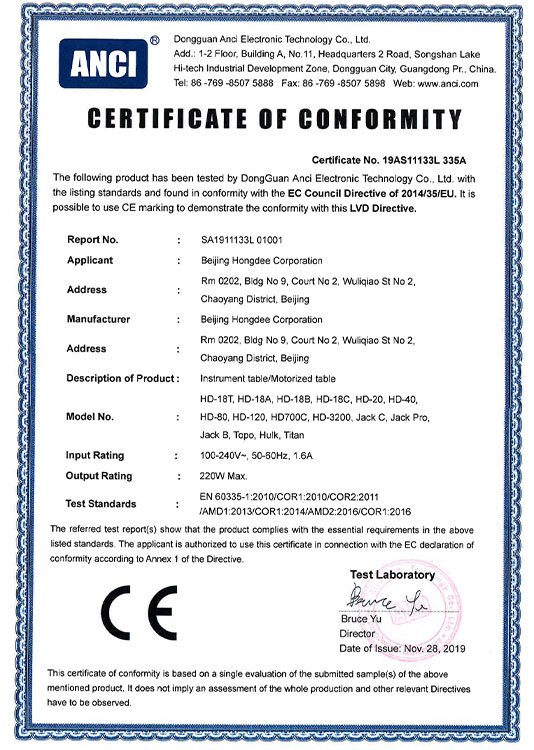
You must supply conformity marking (CE/UKCA or equivalent), a Declaration of Conformity, an Instructions for Use (IFU), UDI labels, test and calibration certificates, and quality certificates like ISO 13485. These documents prove safety, enable registration, and clear customs.
I work with resellers every week. Below I share the exact documents and labels we at Hongdee ship with each device, and why each one matters.
Why Do Regulators and Customs Ask for These Documents?
A buyer in Germany wants fast delivery. But a missing certificate can freeze goods at the border for weeks. Paperwork is not red tape. It is proof.
Regulators and customs need documents to confirm the device is safe, traceable, and legally placed on the market. Without them, you cannot register, sell, or import the product in most regions.
Different regions run different systems. But they all ask similar questions. Who made this? Is it safe? Can we trace one unit if it fails?
The Main Regulators You Will Meet
Each market has its own gatekeeper. The names change, but the goal stays the same.
- CE / UKCA for the European Union and United Kingdom.
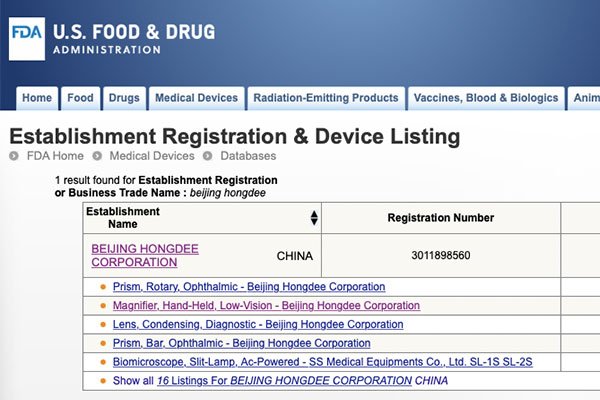
- FDA for the United States.
- TGA for Australia.
- ANVISA for Brazil.
- PMDA for Japan.
Why Traceability Comes First
If a device shows a fault, the authority wants to find every unit. A Unique Device Identification (UDI) code makes that possible. It links each product to its batch, maker, and test record.
| Region | Regulator | Core proof required |
|---|---|---|
| EU / UK | CE / UKCA | Declaration of Conformity, IFU |
| USA | FDA | Registration, UDI label |
| Australia | TGA | ARTG listing support docs |
| Brazil | ANVISA | Registration dossier |
| Japan | PMDA | Conformity and test records |
When I prepare a shipment, I match the document set to the destination. This saves my resellers from border delays and rejected entries.
Which Conformity and Quality Certificates Should Ship With Each Device?
A clinic in the UAE signs a contract. Then they ask for your quality proof. If you hesitate, trust drops. You need certificates ready before the question comes.
Ship the Declaration of Conformity, CE or UKCA marking evidence, the ISO 13485 quality certificate, and relevant safety test reports. These confirm the device meets recognized standards.
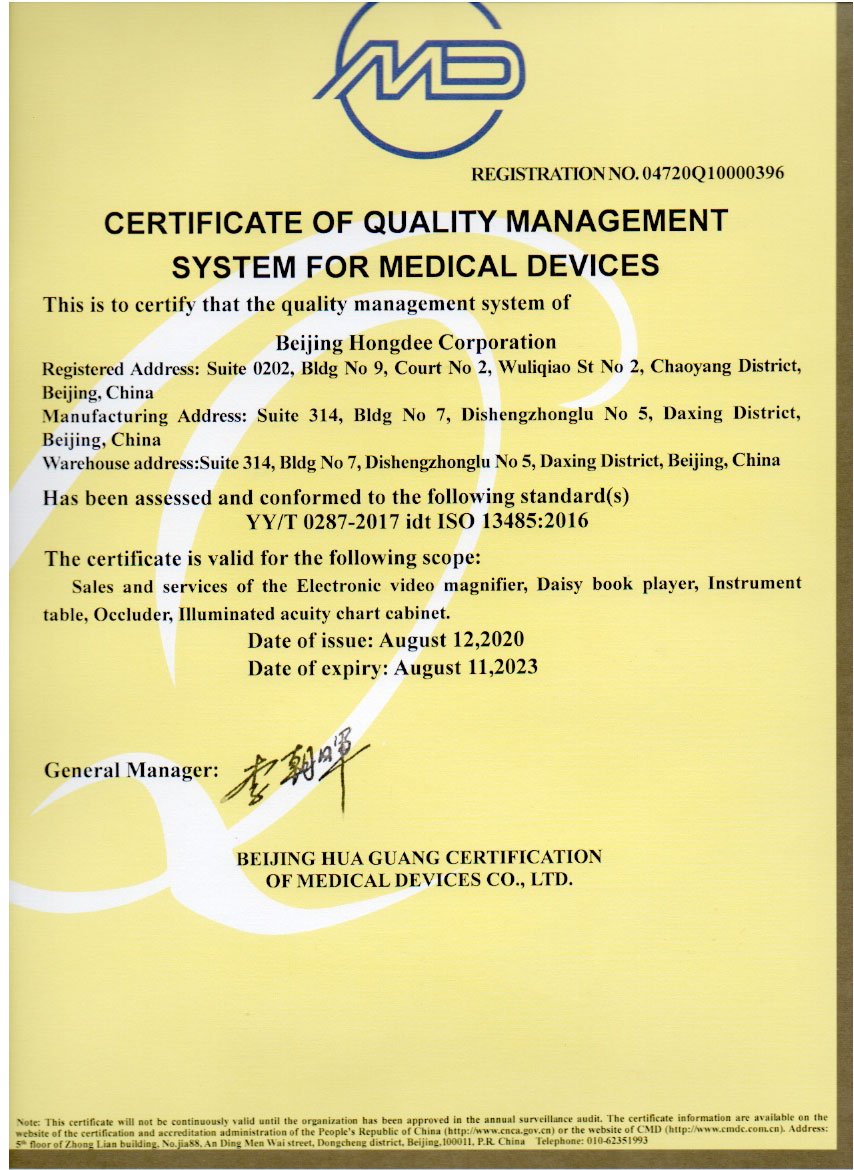
These papers answer the quality question before it is asked. They show the device was built under a controlled system, not in a random workshop.
Conformity vs Quality Certificates
People mix these up. They serve different roles.
- A Declaration of Conformity says the device meets the rules for its market.
- An ISO 13485 certificate says the maker runs a certified quality system.
- A test report shows the device passed safety and performance checks.
What We at Hongdee Provide
We include conformity marking evidence, our quality system certificate, and electrical safety reports. For some markets we add biocompatibility or optical performance data. I always confirm the list with the reseller first, so nothing is missing on arrival.
| Certificate | What it proves | When needed |
|---|---|---|
| Declaration of Conformity | Market compliance | Every regulated sale |
| ISO 13485 | Certified quality system | Tenders, registration |
| Safety test report | Electrical and user safety | Most regions |
| Calibration record | Accurate readings | Diagnostic devices |
What Must Appear on the Physical Labels and Packaging?
A box arrives in South Africa. The inspector checks the label. If the mark or symbol is wrong, the unit goes back. Labels carry legal weight.
Labels must show the maker name and address, model, serial or batch number, UDI, the conformity mark, and standard medical symbols. The IFU must be included in the box.
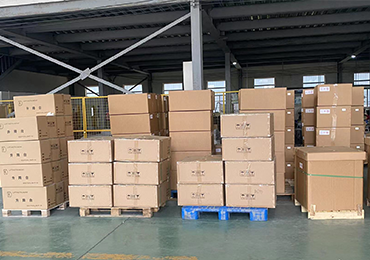
The label is the device’s identity card. It must be clear, permanent, and in the right language for the market.
Core Label Elements
Here is what I check on every unit before it leaves.
- Manufacturer name and full address.
- Model name and catalog number.
- Serial or batch number for traceability.
- UDI barcode for scanning.
- Conformity mark (CE, UKCA, or regional equivalent).
- Symbols for storage, fragility, and date of manufacture.
The IFU Still Matters
The Instructions for Use explain safe setup, use, and cleaning. Many regions require it in the local language. I make sure the IFU is in the box and, when needed, available as a digital copy too.
How Should You Organize and Store These Documents for Resale?
You close a deal in Southeast Asia. The buyer needs documents today. If your files are scattered, you lose the moment. Order beats chaos.
Keep a per-model document folder with conformity papers, certificates, IFU, and label artwork. Store digital copies, match each set to the destination market, and update versions when they change.
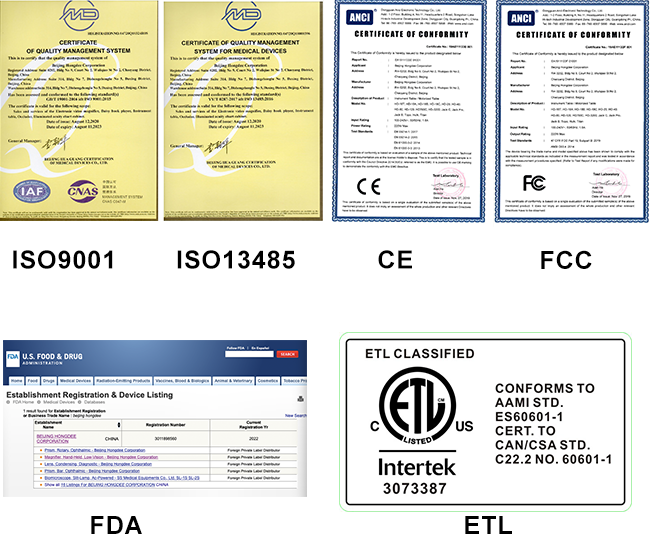
A tidy system turns paperwork from a burden into a selling point. Buyers trust a reseller who answers fast.
Build a Document Library
I suggest one folder per model. Inside, keep every document a buyer or regulator might request.
| Folder item | Purpose |
|---|---|
| Declaration of Conformity | Legal market proof |
| ISO 13485 certificate | Quality assurance |
| IFU (multi-language) | Safe use and compliance |
| Label artwork | Border and audit checks |
| Test and calibration records | Performance proof |
Keep Versions Current
Standards change. An old certificate can fail an audit. I tag each file with a date and review the set before every shipment. When Hongdee updates a document, I send resellers the new version right away.
Conclusion
Resell with confidence. Ship conformity marks, certificates, IFU, UDI labels, and quality proof, matched to each market. We at Hongdee prepare the full set so your sales clear and your buyers trust you.