


What Is the SFDA Registration Process for Ophthalmic Devices in Saudi Arabia?
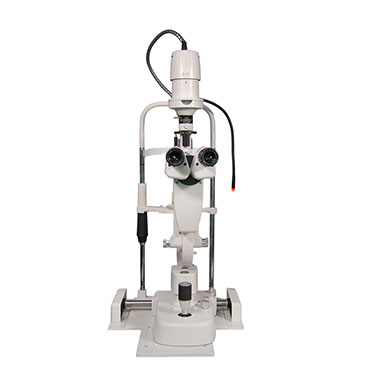
Saudi Arabia is the richest ophthalmic market in the Gulf, but its regulator is strict. Many Chinese manufacturers stall at the border because the process is unknown. The SFDA route is clear once you map it.
The SFDA registration process for ophthalmic devices has two stages: get an establishment license through a local Authorized Representative, then register each device model. Chinese manufacturers need ISO 13485 and CE before applying, and approval takes six to eighteen months.
This article explains the full process from a manufacturer’s seat. We have walked this path with our own devices, so the steps below come from experience, not theory.
Who needs an SFDA establishment license to sell in Saudi Arabia?
Foreign manufacturers cannot hold an SFDA establishment license alone. The rule surprises many exporters on their first attempt. It shapes the whole entry plan.
Every importer, distributor, and foreign manufacturer selling in Saudi Arabia needs SFDA establishment licensing through a local Authorized Representative. Without that license, your device registration is not even accepted for review.
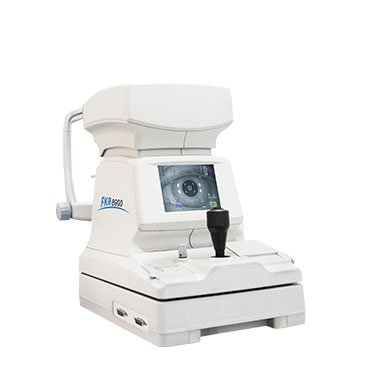
The establishment license proves who you are as a business entity. Saudi Arabia wants a named, licensed party inside the country that answers for every device. That is the core logic of the system.
The Authorized Representative rule
Your Authorized Representative files on your behalf and holds responsibility for the device in the Saudi market. This can be an importer, a distributor, or a dedicated regulatory agent. We advise manufacturers to choose a rep with regulatory experience, not just a trading partner, because the rep manages renewals and market actions.
Which roles need a license
Importers need one, distributors need one, and manufacturers selling directly need one through their rep. Pharmacies and clinics that buy devices for their own use also sit under facility licensing rules. When in doubt, license the entity that touches the device first after it clears customs.
The cost of skipping it
Shipments without a valid establishment license sit in customs. SFDA can reject the registration file entirely, and the clock restarts from zero. Fixing a skipped license usually costs more time than doing it first.
| Entity | License needed | Notes |
|---|---|---|
| Foreign manufacturer | Yes, via AR | Cannot hold one alone |
| Importer | Yes | Files the application |
| Distributor | Yes | Renews with the rep |
| End clinic | Facility license | Separate process |
What documents are required for SFDA device registration?
The document list looks long, but most items already exist in a quality system. The work is collecting them in the right format and language.
You need the establishment licenses, a device registration form, ISO 13485 and CE certificates, technical files, labels, and the Authorized Representative agreement. Arabic translations are required for labels and instructions.
SFDA follows international harmonized standards, so a CE technical file maps cleanly onto its requirements. We built our submission by reusing the same technical documentation that supports our CE marks.
The technical file
Include the device description, intended use, and specifications. Add the clinical evaluation or literature review, the risk management file, and the sterilization data if the device is sterile. Ophthalmic devices like slit lamps and fundus cameras are mostly non-sterile, which keeps this part simple.
Quality and safety certificates
SFDA accepts ISO 13485 as the quality system proof. The CE certificate shows conformity with European safety standards, and SFDA treats it as strong evidence of safety. Certificates must come from recognized notified bodies and stay valid through the review period.
Labels and Arabic content
Device labels and instructions for use must carry Arabic. The label lists the device name, model, manufacturer, importer, and registration number. We print bilingual labels at the factory, because re-labeling after arrival adds cost and delay.
| Document | Source | Tip |
|---|---|---|
| Establishment license | SFDA via AR | File first |
| Registration form | SFDA portal | Follow the checklist |
| ISO 13485 certificate | Notified body | Keep it valid |
| CE certificate | Notified body | Match device scope |
| Technical file | Manufacturer | Reuse CE file |
| Arabic labels | Manufacturer | Print at factory |
How long does SFDA approval take and what are the common rejection reasons?
Approval speed depends on file quality, and rejection usually traces back to one of five fixable mistakes. Expect six to eighteen months from first submission to final approval.
Typical SFDA approval runs six to eighteen months. Most rejections come from incomplete technical files, expired certificates, wrong device classification, mismatched labels, or a weak Authorized Representative.

Time is the real currency in Saudi registration. A clean file moves fast, and a messy one eats a year. We track every submission with a simple rule: review the file like the regulator will.
The review timeline
The first phase is a completeness check, which takes a few weeks. The second phase is the technical review, which runs several months. Any deficiency notice stops the clock until you respond. Manufacturers who answer every query within days finish months ahead of those who wait.
The five common rejection reasons
Incomplete technical files cause most rejections, because applicants submit summary sheets without the full data. Expired certificates come second, since ISO and CE documents lapse during long reviews. Wrong device classification puts products in the wrong review lane. Label mismatches between the file and the physical device also fail, and a passive Authorized Representative slows every response cycle.
How to shorten the wait
Prepare the full file before you open the application. Confirm classification with a consultant or the regulator early. Keep certificates valid for the whole expected review period, and brief your rep to respond to queries within five working days.
| Reason | How often | Prevention |
|---|---|---|
| Incomplete technical file | Most common | Submit full data |
| Expired certificates | Common | Check validity dates |
| Wrong classification | Occasional | Confirm early |
| Label mismatches | Occasional | Match file to device |
| Weak Authorized Representative | Occasional | Vet rep capability |
How does SFDA compare to FDA and CE for Chinese manufacturers?
Manufacturers who already hold CE and FDA approvals want to know if SFDA demands new work. The answer is encouraging, because SFDA builds on the same foundations.
SFDA is closer to CE than to FDA for most ophthalmic devices. If your factory holds ISO 13485 and CE, the SFDA file reuses that evidence, while FDA adds its own establishment registration and 510(k) pathway.

Chinese manufacturers know the FDA and CE routes well, and SFDA fits into that picture. We hold all three for our devices, so we compare them from the inside.
SFDA versus CE
Both systems follow the same international standards, and CE evidence transfers cleanly. The practical difference is the Authorized Representative model, which mirrors Europe but adds Arabic labeling. A manufacturer with clean CE files usually builds the SFDA submission in weeks, not months.
SFDA versus FDA
The FDA route adds establishment registration, device listing, and usually a 510(k) for ophthalmic equipment. FDA inspects factories, while SFDA relies more on reviewed documentation and the local rep. Chinese factories with FDA clearance find SFDA lighter, because no plant inspection is required upfront.
Choosing your order of entry
CE is the natural first step, because it unlocks Europe, the Middle East, and much of Asia. SFDA then extends the same file into the Gulf. FDA matters most when you target the United States or markets that follow FDA approvals. We advise new manufacturers to finish CE first, then add SFDA, then chase FDA.
| Scheme | Key requirement | Best for |
|---|---|---|
| CE | ISO 13485 plus technical file | Global base |
| SFDA | CE evidence plus Saudi AR | Gulf entry |
| FDA | 510(k) plus establishment | US market |
Conclusion
The SFDA route needs an Authorized Representative, a clean technical file, and patience for six to eighteen months. CE and ISO 13485 give you most of the evidence. Start the file before you need it.