


How Do You Use AAO and ESCRS to Win Ophthalmic Equipment Distributors?

Trade shows look like expensive social events, but they are where distribution deals actually start. We met our first US distributor, Amado, at AAO in 2005. That one meeting built a relationship that still runs today.
Use AAO and ESCRS to win distributors by choosing a clear role, running sharp product demos, following up within days, and playing your speed advantage against Zeiss and Topcon. A personal meeting plus a fast sample order converts better than any brochure.
This guide shares the trade show system we have used for two decades. Every step below comes from real meetings, real samples, and real signed agreements.
What is the difference between attending AAO as a visitor vs. an exhibitor?
A visitor badge and a booth give you completely different tools. The right choice depends on your budget and your goal for the show.
Visitors walk the floor, collect contacts, and study competitors, while exhibitors pull serious buyers into structured meetings. If you want signed distributors, exhibit; if you are researching the market, visit first.

The Academy meeting in the US and ESCRS in Europe are the two biggest ophthalmic stages in the world. Both attract the distributors who own their local markets. You want to meet those people, and the badge you wear decides how.
The visitor advantage
As a visitor, you move freely, watch competitor demos, and hear what buyers complain about. You can also book side meetings with distributors at hotels and coffee bars. Visiting is cheaper, and it works well as a first-year strategy when you are still learning the market.
The exhibitor advantage
As an exhibitor, buyers come to you with intent. A booth signals that you are a real manufacturer with stock and support. Distributors hunting for new lines walk the aisles specifically to find suppliers like you. We booked our AAO booth for the first time to meet US distributors, and that is where the Amado relationship started.
Matching the choice to your stage
New to the market? Visit one show and build a target list. Ready to sell? Exhibit at the show where your target distributors gather. Half-measures waste money, so pick a role and commit to it.
| Option | Best for | Main cost |
|---|---|---|
| Visitor | Research and side meetings | Ticket and travel |
| Exhibitor | Distributor meetings at scale | Booth and freight |
| Side suite | VIP distributor talks | Hotel space |
How do you prepare your product demos for an ophthalmic trade show?
A demo is the moment a distributor decides if your product is real. Most demos fail because the equipment is not ready or the pitch is too long. Preparation fixes both.
Prepare demos that let distributors touch the device within two minutes. Bring working units with charged batteries, printed spec cards, and a short script that leads with the three features buyers care about most.
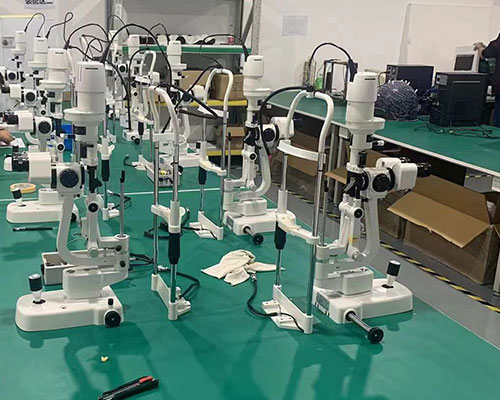
Distributors at AAO and ESCRS test dozens of products in three days. The ones they remember are the ones they could operate themselves. Hands-on experience beats any presentation.
Lead with the three features that matter
Price position, service simplicity, and delivery speed. Distributors ask the same three questions all day, so answer them before they ask. Show the price point, pop the casing open to reveal modular parts, and state your delivery lead time out loud.
Make the demo physical
Let the distributor sit at the slit lamp and turn the knobs. Let them feel the joystick and the magnification change. A person who operates your device remembers it, and a person who only watched a video forgets it by the next booth.
Keep the collateral simple
One page per product beats a heavy catalog. The page carries the image, the key specs, the price range, and your contact details. We hand out a one-page sheet for every Hongdee model, and distributors keep those pages in their folders.
| Demo element | Do this | Avoid this |
|---|---|---|
| Device | Working and powered | Display-only units |
| Script | Three buyer features | Long history |
| Collateral | One-page spec sheet | Heavy catalogs |
| Timing | Under ten minutes | Thirty-minute talks |
What follow-up strategy converts show contacts into real orders?
Most show leads die within two weeks because nobody follows up fast. The window is short, and the distributors who move are the ones who get your call first.
Follow up within 48 hours with a personalized message and a concrete sample offer. Send the sample within days of the request, because delivery speed is the differentiator that beats slow competitors.
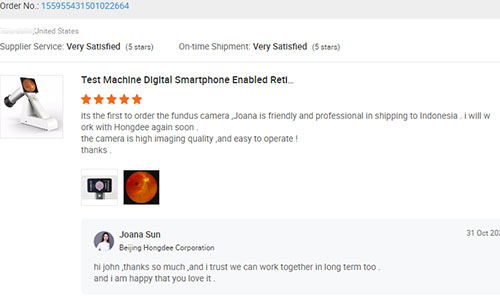
The Amado deal followed exactly this pattern. We met at AAO, agreed on a sample order, and delivered faster than he expected. That speed convinced him we would support a real territory, and the exclusive Latin America agreement followed.
The 48-hour rule
Sort your contacts the night the show ends. Rank them into hot, warm, and cold on the flight home. Email the hot list within 48 hours with a message that names what you discussed and proposes the next step. The warm list gets a follow-up within five days, and the cold list gets one newsletter touch.
The sample order offer
The fastest way to test a distributor is a small sample order. Offer one unit at a special show price with the standard warranty. If the distributor hesitates, offer a demo unit on loan instead. Either way, you learn whether they can sell, pay, and service.
Speed as your brand
Big brands move slowly on samples because their process is heavy. You can ship in days. Tell distributors your lead time and then beat it. We built our whole distributor reputation on this, because fast samples prove fast support.
| Lead type | Contact time | Offer |
|---|---|---|
| Hot | Within 48 hours | Sample order at show price |
| Warm | Within 5 days | Product call and quote |
| Cold | Within 2 weeks | Newsletter and catalog |
| VIP | Same day | Direct call from owner |
How do smaller manufacturers compete with Zeiss and Topcon at trade shows?
Nobody beats Zeiss and Topcon on brand history. But distributors do not only want famous brands, because famous brands bring thin margins. That gap is your opening.
Compete by offering better distributor margins, faster samples, modular service, and honest support. Small manufacturers win at AAO and ESCRS by being easier to work with than the giants, not by outspending them.
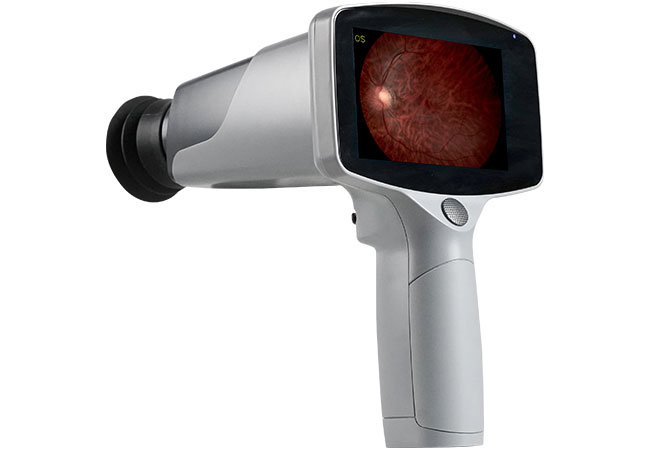
Every booth on the floor sells optics. The difference is what you offer the person standing in front of you, and small manufacturers can offer things the giants cannot.
Margin is the real battleground
Big brands protect their global pricing, so their distributors earn thin margins. A smaller manufacturer can offer better terms and still make money. When we talk to distributors at shows, we open with margin, because that is the number they compare first.
Speed and flexibility win deals
Zeiss ships from regional stock, but its approval process is slow. We answer price requests in days and ship samples in weeks. We also customize configurations that the giants refuse, because small batches are our normal production mode.
Service as a partnership
Distributors fear being stranded with a distant factory. We counter that fear with engineer training, spare part commitments, and direct owner access. Knowing the factory owner by name matters more than booth size, and we make sure every distributor knows ours.
| Advantage | Zeiss and Topcon | Hongdee and peers |
|---|---|---|
| Brand pull | Very strong | Building |
| Distributor margin | Thin | Strong |
| Sample speed | Slow process | Days to weeks |
| Customization | Limited | Flexible |
| Owner access | Rare | Direct |
Conclusion
Pick a clear role at AAO or ESCRS, demo products hands-on, and follow up within 48 hours. Sell speed and margin against the giants. One strong meeting can build a decade of distribution.