


How Do You Finance or Lease Ophthalmic Equipment for Your Clinic?
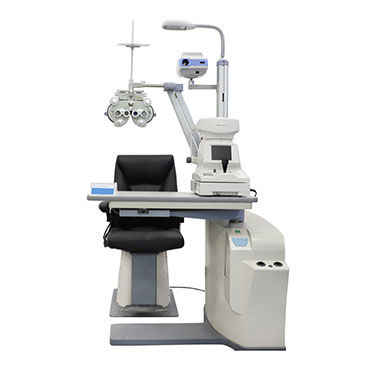
A full exam lane costs more than many clinics have in cash, and the payment choice shapes your profit for years. We talk to clinic owners every week who are deciding between leasing and borrowing. The answer depends on math, not habit.
You finance ophthalmic equipment by comparing leasing and bank loans on total cost, negotiating service and upgrade terms with the supplier, and looking for deferred payment offers from manufacturers. Factoring in service costs changes the buy-versus-lease decision completely.
This article lays out the financing picture from the buyer’s side. Use the numbers below to build your own comparison before you sign anything.
What is the difference between equipment leasing and a bank loan for a clinic?
Leasing and borrowing look similar because both give you equipment now and payments later. The ownership and tax treatment differ, and that difference decides which one fits.
A bank loan buys the equipment and you own it from day one, while a lease rents it with an option to buy at the end. Leases keep cash free and often include service, but loans build equity and usually cost less over the full term.
We see clinics make this choice on monthly payment size alone, and that is a mistake. The real question is what the equipment will cost you over five years, including service, downtime, and resale.
The bank loan route
A loan puts the device on your balance sheet as an asset. You pay principal and interest, and the clinic owns the equipment outright when the loan ends. Loans suit clinics with stable revenue and a long-term view, because the total interest bill is usually lower than lease fees.
The leasing route
A lease keeps the equipment off your balance sheet and your cash in the bank. Monthly payments are often lower, and many leases bundle service and upgrades. Leases suit new clinics that want to protect cash flow and replace devices as technology changes.
The hidden costs in both
Both routes carry costs beyond the monthly payment. Insurance, service contracts, and downtime all hit your budget either way. US clinics pay about $65,000 per year on service contracts on average, and that number belongs in the comparison, not just the sticker price.
| Factor | Bank loan | Lease |
|---|---|---|
| Ownership | Yours from day one | At the end, optional |
| Monthly payment | Higher | Lower |
| Service included | Rarely | Often |
| Cash impact | Larger deposit | Small or none |
| Best for | Stable clinics | Growing clinics |
Which financing terms should a clinic negotiate with an equipment supplier?
Suppliers negotiate more than the price, and most clinics never ask. The terms hidden in the quote can be worth more than a discount on the machine.
Negotiate the payment schedule, the warranty length, the service contract rate, the upgrade path, and the penalty for late delivery. A supplier who gives flexible terms on all five is a better partner than one who only cuts price.
When clinics ask us for better terms, we look at the whole deal, not just the number on the invoice. The smartest buyers negotiate five specific points, and suppliers respect buyers who understand them.
The payment schedule
Standard terms ask for a deposit with the balance on delivery. Some clinics negotiate staged payments tied to installation and training. If your supplier wants a large deposit, ask what protection you get if delivery slips.
Warranty and service rates
A longer warranty shifts risk to the supplier, so negotiate the warranty length before you talk about service contracts. Ask for the service rate in writing for the first three years. A fixed rate protects you from annual price jumps.
Delivery and penalties
Clinic buildouts run on schedules, and a late machine costs you rent on an empty room. Ask the supplier to commit to a delivery date in writing and to state the penalty if they miss it. Serious suppliers accept this clause.
| Term | Ask for | Why |
|---|---|---|
| Deposit | Staged payments | Protects cash |
| Warranty | 12 months or more | Shifts risk |
| Service rate | Fixed for 3 years | Stops price jumps |
| Delivery date | Written penalty | Protects your schedule |
| Upgrades | Trade-in path | Future-proofs |
How does leasing affect the total cost of ownership over five years?
The monthly payment tells one story, and the five-year total tells another. Running the full numbers changes the decision for most clinics.
Over five years, a lease with service included often costs less than a loan plus a separate service contract, even though the lease payment looks higher. Compare the full five-year total, including service, insurance, and downtime, before you choose.
Total cost of ownership sounds like consultant language, but it is simple addition. Add the purchase or lease payments, the service contracts, the insurance, and the lost revenue from downtime. The sum decides the real winner.
Build the five-year comparison
Take a $40,000 device as an example. A five-year loan at a typical rate costs about $46,000 in payments, and the device is yours. Add service contracts at $8,000 per year and the total passes $86,000. A lease at $900 per month runs $54,000 over five years, but if it includes service, the total stays near $54,000. The lease wins on total cost even though it never builds equity.
The service trap in ownership
Owned equipment needs service contracts, and those contracts compound every year. Many US practices spend around $65,000 a year on service across their whole equipment base. Leases that bundle service remove that variable cost and make budgeting predictable.
Downtime is a cost too
A leased device with a guaranteed replacement keeps your exam lane earning. An owned device in the shop for three weeks earns nothing while the lease payment on the room continues. Clinics that count downtime cost usually choose the lease.
| Scenario (5 years) | Loan | Lease with service |
|---|---|---|
| Equipment cost | $46,000 | $54,000 |
| Service contracts | $40,000 | Included |
| Ownership equity | Yes | No |
| Total cash out | ~$86,000 | ~$54,000 |
Can Chinese manufacturers offer deferred payment options to overseas buyers?
Buyers often assume Chinese manufacturers demand full payment upfront. Many offer flexible terms, and some terms are better than local bank financing.
Yes, many Chinese manufacturers offer deferred payment options, with a typical structure of 30 percent deposit and the balance on delivery or after installation. Larger orders can unlock letter of credit terms or staged payments.
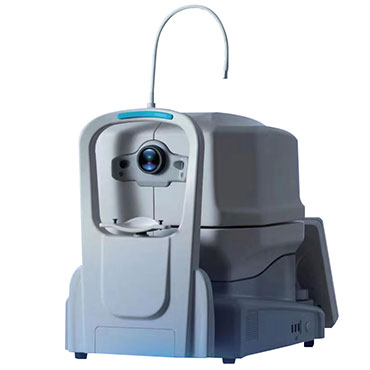
We have financed equipment shipments for clinics in more than 90 countries, and the payment structure depends on the order size and the buyer’s history. New buyers start with a deposit, and returning buyers earn better terms over time.
The standard manufacturer terms
The most common structure is 30 percent deposit with the balance paid before shipment or on delivery. This protects the factory from building a custom order that the buyer rejects, and it protects the buyer because the largest payment happens last.
When suppliers offer more
Repeat buyers and large orders unlock better options. Letter of credit terms work for hospital tenders, and staged payments across a multi-lane order are common. Some manufacturers also hold the title until the final payment, which works like in-house financing without a bank.
What to ask for
Ask the supplier directly what payment options they offer, because many do not advertise them. Compare the manufacturer’s terms against your local loan rate. If the supplier offers a 30 percent deposit structure with free installation, that financing may beat anything the bank offers.
| Payment option | Typical terms | Best for |
|---|---|---|
| Deposit plus balance | 30% then 70% on delivery | First orders |
| Letter of credit | Bank-backed terms | Tenders |
| Staged payments | Tied to milestones | Multi-lane orders |
| Title retention | Pay over time | Repeat buyers |
Conclusion
Compare loans and leases on five-year totals, and put service costs in the math. Negotiate warranty, service, and delivery terms with your supplier. Ask Chinese manufacturers about deferred payment options before you visit a bank.