


What Is the ROI of Adding an Auto Phoropter to an Existing Refraction Lane?
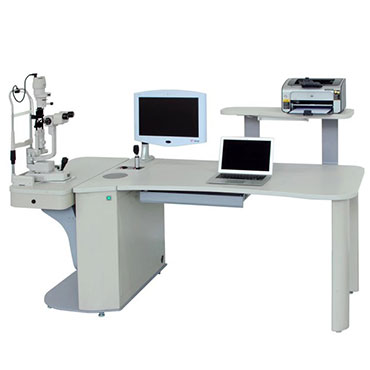
Manual refraction takes time, and time is the scarcest resource in a busy clinic. Patients wait in the hallway while one lane runs slowly. Owners feel the pressure but do not know if automation pays.
An auto phoropter cuts refraction chair time from about 12 minutes to about 6 minutes. At 20 patients a day that frees two extra hours of billing time, and most busy practices break even in 12 to 18 months.
The math is simple once you see it. Below we break down the time savings, the payback timeline, the practices that win most, and the costs buyers often miss.
How much faster is auto phoropter-based refraction compared to manual?
A manual refraction asks the patient to compare lenses again and again. Each step takes seconds, and the full dance runs 10 to 15 minutes when the patient hesitates.
Auto phoropter refraction is roughly twice as fast. We see chair time drop from about 12 minutes to about 6 minutes per patient, because the instrument steps through lens changes automatically and prints the result.
Where the time actually goes
In manual refraction the doctor flips lenses, asks questions, and records answers by hand. In automated refraction the instrument controls the lens changes, so the doctor judges responses instead of juggling dials. That shift removes the slowest part of the process.
What two extra hours are worth
At 20 patients a day, saving six minutes each adds up to two hours of chair time daily. That is time for extra patients, longer specialty exams, or an earlier close. Even one extra exam a day changes annual revenue noticeably.
Time comparison in a real lane
| Task | Manual phoropter | Auto phoropter |
|---|---|---|
| Setup and alignment | 2 minutes | 1 minute |
| Sphere refinement | 4 minutes | 2 minutes |
| Cylinder and axis | 4 minutes | 2 minutes |
| Binocular balance | 2 minutes | 1 minute |
| Total per patient | About 12 minutes | About 6 minutes |
Speed without losing quality
Some owners worry automation lowers quality. It does not, because the auto phoropter still tests the patient’s real responses. The doctor stays in control of the final prescription, so speed and accuracy work together.
What is the break-even timeline for an auto phoropter upgrade?
Every practice owner asks the same question about the price tag. Break-even depends on patient volume, but the pattern is consistent across the clinics we talk to.
Most busy practices break even in 12 to 18 months. The extra chair time pays for the instrument, and after that the time savings become pure margin.
Build the payback model yourself
Take the extra patients you can see each day, multiply by your average exam fee, and compare that with the instrument price. Add the staff time saved, because a technician freed from recording results can run pretesting instead.
Volume changes everything
A quiet lane with five refractions a day will take years to pay back. A busy lane with 20 or more will hit break-even fast. So measure your real refraction volume before you decide, and count weekend and peak days honestly.
Break-even examples
| Daily refractions | Time saved daily | Payback feel |
|---|---|---|
| 10 patients | About 1 hour | Slow, 24 months or more |
| 15 patients | About 1.5 hours | Moderate, near 18 months |
| 20 patients | About 2 hours | Fast, 12 to 18 months |
| 30 patients | About 3 hours | Very fast, under 12 months |
Consider the second lane effect
Many clinics add an auto phoropter to one lane and keep the manual unit as backup. That setup protects patient flow during service and training, and it lets you compare both methods side by side.
Which practice types benefit most from automated refraction?
Automation is not for everyone. A low-volume specialty practice may see little gain, while a high-volume optical clinic sees huge gains. Knowing which group you belong to saves you from a bad purchase.
High-volume optical practices, chain clinics, and pediatric and geriatric clinics benefit most. They run many refractions daily, and they serve patients who tire quickly, so speed and short exams matter most there.
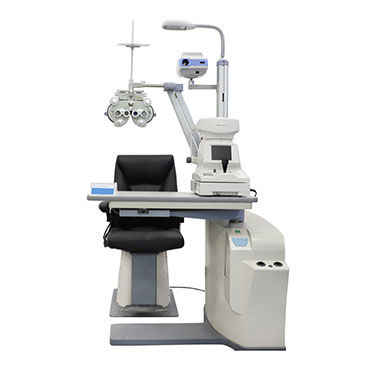
Optical shops and chains
Retail optical practices run refractions all day, and each one feeds a spectacle sale. Faster refraction means more sales per hour, so the ROI math works hardest in this group.
Pediatric and elderly care
Children lose patience during long manual tests, and elderly patients tire in the chair. A shorter automated exam keeps both groups comfortable, so you get better responses and fewer repeat visits.
Practices that gain less
A low-volume specialty clinic that refracts a handful of patients daily will wait years for payback. So will a practice whose staff dislike technology, because an unused auto phoropter earns nothing.
Which practice wins most
| Practice type | Daily refractions | Benefit level |
|---|---|---|
| Optical chain | 25 to 40 | Highest |
| Independent optical | 15 to 25 | High |
| Pediatric practice | 10 to 20 | High |
| General ophthalmology | 10 to 20 | Medium |
| Low-volume specialty | Under 8 | Low |
Match the tool to the flow
The auto phoropter earns its keep when it sits in a smooth lane with pretesting ahead of it. If your intake is slow, fix that first, because the phoropter only speeds the step it touches.
The price tag is only the beginning. Buyers who forget the extras feel the sting at year one, when software renewals and calibration bills arrive.
Watch for software subscriptions, calibration fees, staff training time, and consumables. These hidden costs can add 10 to 20 percent on top of the purchase price in the first year, so budget for them before you buy.

Software and support subscriptions
Many auto instruments bundle software for the first year, then charge yearly. Ask what the subscription covers and what happens if you let it lapse. A device that stops exporting results after the subscription ends is a nasty surprise.
Calibration and preventive service
Automated instruments need periodic calibration to keep readings accurate. Some clinics skip it to save money, and then the prescriptions drift. Budget a yearly service visit, because a wrong refraction is worse than no refraction.
Training time for staff
Technicians need practice before they run the instrument smoothly. Plan for a training week with lower throughput, and train two staff members so the lane never stops when one person is away.
Full cost checklist
| Cost item | Typical timing | What to budget |
|---|---|---|
| Purchase price | Once | Base cost of the instrument |
| Installation | Once | Delivery, setup, network |
| Staff training | First month | Hours of reduced flow |
| Software subscription | Yearly | License and updates |
| Calibration | Yearly | Service visit and certificate |
| Consumables | Ongoing | Printer rolls, sensors |
Ask for the full cost list
Any serious supplier can list these costs in writing before you order. We give clinic partners a full ownership cost sheet, because a buyer who knows the real total becomes a customer for decades.
Conclusion
An auto phoropter roughly halves refraction time and pays back in 12 to 18 months in busy practices. Match it to your patient volume and budget the hidden costs. We at Hongdee build refraction lanes that make the most of automated instruments.