


Your shipment is ready, but your Italian customer just asked for MDR paperwork you have never seen. Customs can hold devices for weeks. Here is what importers must prepare.
To import ophthalmic equipment into Europe you need a CE-marked device, a valid EU declaration of conformity, a registered EU Authorised Representative, and correct importer registration. MDR Articles 13 and 14 place legal duties on importers and distributors, not only on the factory.
Most China-sourcing guides stop at “make sure it has CE.” They skip the part where you, the buyer, become legally responsible. This article walks through the Medical Device Regulation (EU 2017/745) steps that matter at customs, in your warehouse, and during audits. We keep it general on purpose. Rules change, so confirm the details for your exact product and country with your Notified Body or competent authority before you ship.
What Is the Difference Between an Importer and a Distributor Under EU MDR?
Your role decides your legal duties. Call yourself a distributor and you may miss obligations that belong to importers. Get this wrong, and devices sit in customs.
An importer is the first person established in the EU who places a device from a non-EU country on the EU market. A distributor is anyone further down the chain who supplies that device. Importers carry heavier legal duties under MDR.
Where the line is drawn
The MDR defines the importer by position, not by size. If your company in Germany, the Netherlands, or Poland is the first to bring a Chinese-made slit lamp into the EU, you are the importer. Your clinic customer in Spain is the distributor. The factory in China is the manufacturer.
The same unit can change role. If your Italian company imports directly from the factory, you are the importer. If you buy from a German wholesaler instead, you become a distributor for that transaction. Review each order line by line, because one mixed shipment can carry both roles.
Why the distinction matters
Importers must verify the CE marking, the EU declaration of conformity, and the Authorised Representative before placing devices on the market. Distributors must confirm the device carries the CE mark and that labelling and instructions are correct. Distributors also need to pass along any safety information they receive.
| Duty | Importer (Article 13) | Distributor (Article 14) |
|---|---|---|
| Verify CE marking and declaration of conformity | Yes | Yes |
| Check the EU Authorised Representative is named | Yes | Indirectly |
| Keep a register of complaints and non-conforming devices | Yes | Yes |
| Cooperate with the competent authority | Yes | Yes |
| Store and transport per manufacturer instructions | Yes | Yes |
A practical note from our side: we see buyers discover the importer role only when a consignment is held at customs in Antwerp or Rotterdam. Check who the importer will be before you sign the order, not after the ship docks.
Which Documents Must Your Manufacturer Provide Before You Can Import?
You cannot clear customs with a purchase order alone. Missing paperwork is the most common reason ophthalmic shipments stall in Europe.
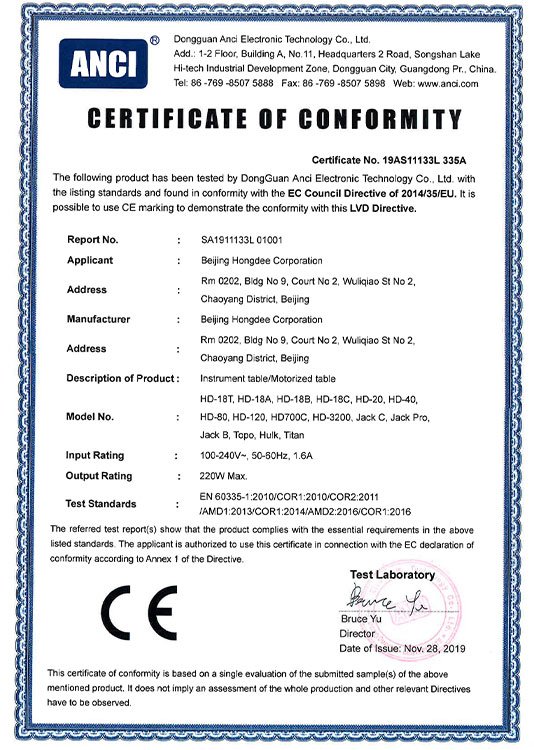
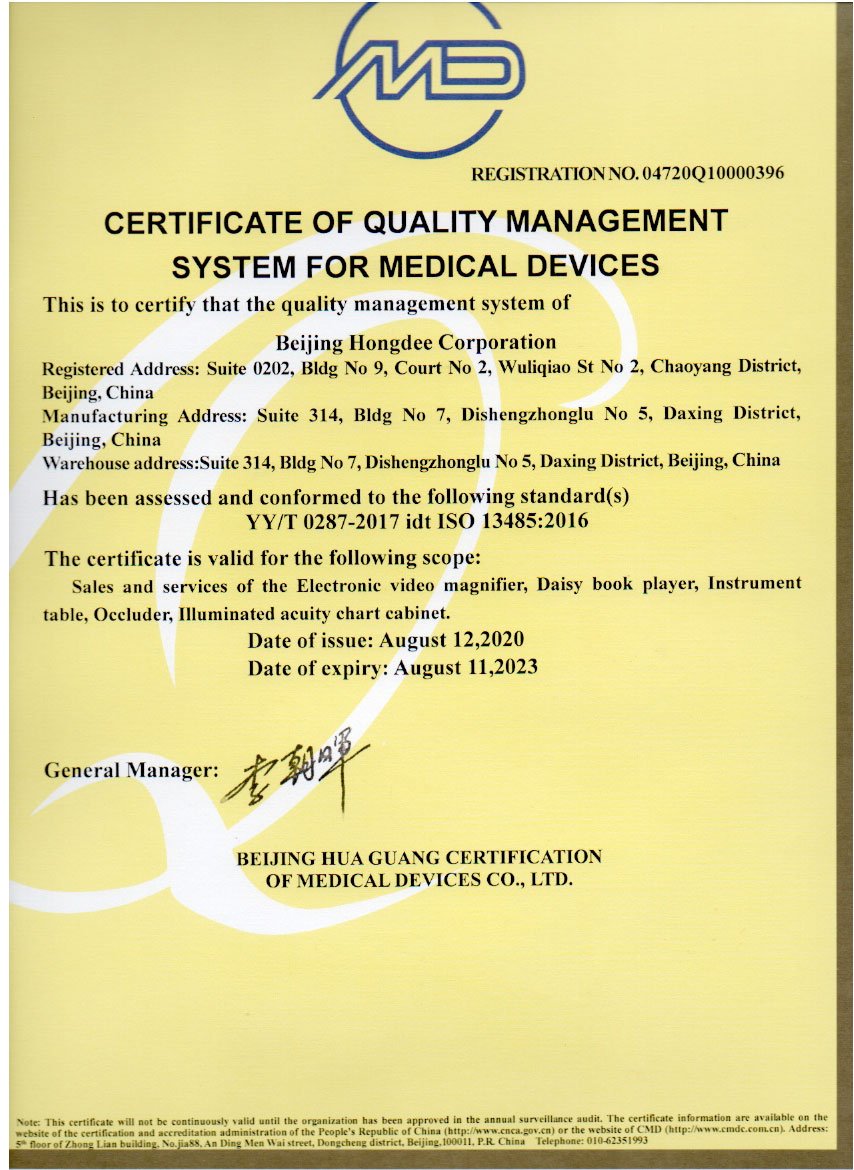
Before you import, your manufacturer must provide the EU declaration of conformity, the CE certificate, the EU Authorised Representative details, correct labelling and instructions for use, UDI information, and proof of an ISO 13485 quality management system.
Build the file before you pay
Ask for the full document pack at quotation stage, not after the deposit. A factory that hesitates now will not improve later. We keep a standard pack for every device we ship, because distributors in Algeria, Thailand, and Italy all ask for the same core items.
What each document does
The EU declaration of conformity states that the device meets MDR requirements. The CE certificate, where required, comes from the Notified Body. Labelling must show the manufacturer, the Authorised Representative, and the UDI. The instructions for use must be in the language of the country where the device is sold.
| Document | What it proves | Who issues it |
|---|---|---|
| EU declaration of conformity | Device meets MDR requirements | Manufacturer |
| CE certificate | Notified Body assessment (for Class IIa and higher) | Notified Body |
| Authorised Representative agreement | A legal EU contact exists for the manufacturer | Manufacturer + AR |
| ISO 13485 certificate | Quality management system in place | Certification body |
| UDI data | Device traceability | Manufacturer |
Check language requirements with your competent authority. Some EU countries require the instructions for use in their own language. That is a detail buyers usually discover late, and it can delay market entry for months.
How Are Slit Lamps, Tonometers and Fundus Cameras Classified Under MDR?
Classification decides how much paperwork you need. A Class I slit lamp and a Class IIa device follow different routes, so guessing wrong can block your registration.
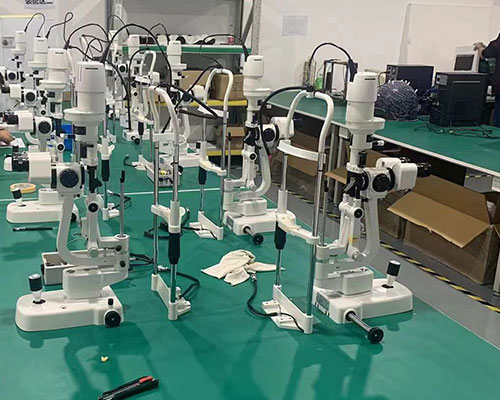
Most slit lamps, tonometers and fundus cameras are Class I or Class IIa devices under the MDR. Class I devices are self-certified by the manufacturer, while Class IIa devices need a Notified Body assessment. Confirm the class with your Notified Body.
How the rules sort devices
The MDR classifies by risk using the rules in Annex VIII. Non-invasive diagnostic devices without a measuring function, like most slit lamps, usually sit in Class I. Devices with a measuring function, such as tonometers, can move to Class IIa. The manufacturer’s claims and intended purpose matter as much as the hardware itself.
Why classification changes your work
Class I devices are mostly self-certified. The manufacturer declares conformity and registers the device. Class IIa devices require Notified Body involvement and more supporting evidence. Your registration route, your UDI obligations, and your audit exposure all follow the class.
| Device type | Typical class | Typical route |
|---|---|---|
| Slit lamp (examination) | Class I | Manufacturer declaration |
| Fundus camera | Class I | Manufacturer declaration |
| Tonometer (measuring function) | Class IIa | Notified Body assessment |
This is general guidance, not a ruling. Ask your Notified Body or competent authority to confirm the class for your exact model and intended use. A rebranded device can be classified differently if the claims change.
What Records Must You Keep After the Equipment Reaches Your Warehouse?
The sale does not end at your warehouse door. MDR requires importers and distributors to keep records long after delivery, and auditors do ask for them.
Keep registers of devices received, complaints, non-conformities, recalls, and communications with manufacturers. Store them for the period your competent authority specifies and make them available when asked.
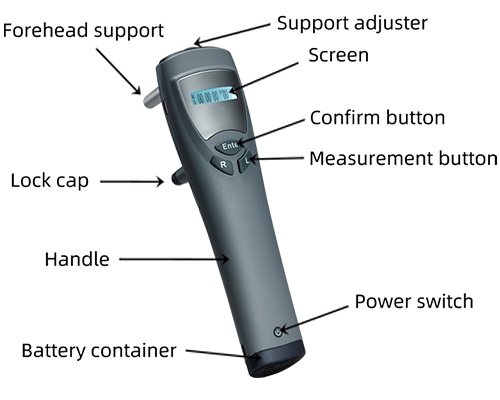
Build traceability from day one
Record every batch or serial number that enters your warehouse. Link each unit to its UDI. If a clinic in Milan reports a fault, you must be able to say which batch it came from and where the rest of that batch went. That chain is the core of MDR traceability.
Complaints and vigilance
Importer and distributor duties include reporting serious incidents through the vigilance system and cooperating with the competent authority. Keep a complaint register even if you only sell a few units a month. It is cheap to maintain and expensive to rebuild after an audit.
| Record | What to log | Why it matters |
|---|---|---|
| Device register | Model, batch, serial, UDI, customer | Traceability |
| Complaint register | Date, issue, resolution | Vigilance reporting |
| Non-conformity log | Faults, actions taken | Audit evidence |
| Supplier records | Declarations, certificates | Proof of compliance |
Set a simple spreadsheet system before the first order lands. The hospitals we supply in Singapore and the USA now expect serial-level documentation. That habit makes European audits far less stressful.
How Do You Verify a Supplier’s CE Certificate Is Genuine?
Fake certificates exist. A scanned PDF proves nothing if the Notified Body number is wrong, and customs officers know how to check.
Verify a CE certificate by checking the Notified Body number against the European Commission’s NANDO database, matching the certificate scope to the device, and requesting the EU declaration of conformity that supports it.
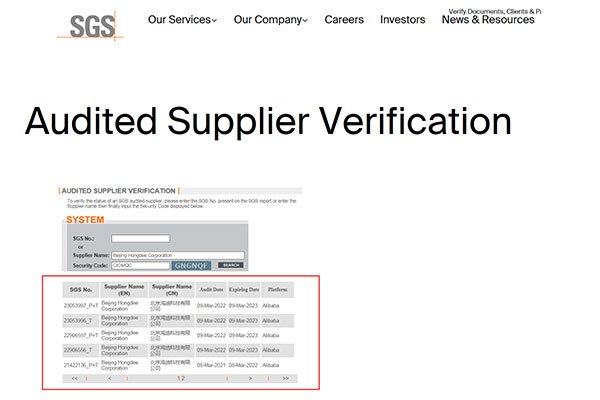
The NANDO check
The European Commission publishes a list of Notified Bodies in the NANDO database. Look up the number printed on the certificate. If the body is not listed, or its listed scope does not cover ophthalmic devices, treat the certificate as suspect.
Match the scope
A certificate for “optical instruments” may not cover a specific slit lamp model. Compare the device name, model, and classification on the certificate with what you actually ordered. Also ask for the EU declaration of conformity. It names the device and the standards applied.
| Check | How | Red flag |
|---|---|---|
| Notified Body number | NANDO database search | Body not listed |
| Certificate scope | Compare device and class | Model or class missing |
| Declaration of conformity | Request from manufacturer | Refusal to share |
| Certificate dates | Check validity window | Expired or vague dates |
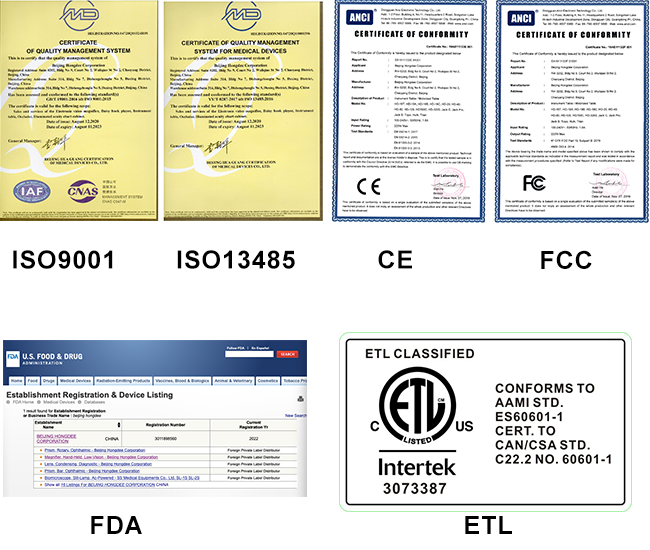
A short phone call to the Notified Body listed on the certificate settles most doubts. Hongdee holds ISO 13485, ISO 9001, CE, ETL, FDA, and SGS certifications, and we send the supporting documents with every quotation. Our distributors in Europe asked for them before we ever shipped there.
Conclusion
Importing ophthalmic equipment into Europe means CE marking, an EU Authorised Representative, importer registration, and records you can show auditors. Confirm every detail with your Notified Body or competent authority before you ship.