


You want to sell your ophthalmic equipment in Australia and New Zealand. Most sourcing advice you find online only talks about FDA or CE, and Australia feels like a mystery. The rules look strict, the forms look long, and you are not sure who can even apply. I will map the path for you.
To sell medical devices in Australia, they must be included in the Australian Register of Therapeutic Goods (ARTG), which is administered by the Therapeutic Goods Administration (TGA). A local Australian entity — the sponsor — holds the application and the ongoing responsibilities. The route involves classification, conformity assessment, and evidence that your device is safe and fit for purpose.
One important note before we go deeper: Australian requirements change, and the exact classification rules, fees, and processing timelines vary by device class and by the evidence you hold. You must verify the current details directly with the TGA for your specific product. What I give you here is the general shape of the process, so you know what to ask and where to look.
How Does the Australian Regulatory Framework Classify Eye Care Devices?
Not every ophthalmic device is treated the same. A simple trial lens set and an imaging fundus camera sit in different risk buckets, and the bucket decides how much evidence you need. Getting the class wrong at the start can cost you months.
Australia classifies medical devices by risk, from Class I (lowest) to Class III and beyond (highest). Most ophthalmic equipment, like slit lamps, tonometers, and fundus cameras, falls in the low-to-moderate classes, but the exact class depends on how the device works, what it is for, and how long it stays in contact with the patient. The TGA’s classification rules are the authority — check them for your device.
Here is the logic, in plain terms. The more a device does to the body, the more risk it carries, and the more evidence the TGA wants. A passive measuring instrument behaves differently from a device that touches the eye directly, and each one lands in a different class.
What drives the classification
- How the device works (mechanical, optical, electrical, or a mix)
- What it is intended to do, according to the manufacturer’s claims
- How and where it contacts the patient, if at all
- Whether it delivers energy to the body
The practical point for you: never guess the class. Take your device’s intended purpose, walk it through the current TGA classification rules, and confirm the answer. A wrong guess means an application that does not fit, and that costs time.
Who Must Act as the Local Sponsor?
This is the question that surprises most overseas manufacturers. You cannot just apply from your office in Shenzhen or Singapore. Australia requires a local presence, and getting that piece wrong blocks everything else.
A sponsor is required — an Australian entity responsible for the device in Australia. The sponsor can be the manufacturer’s local office, an importer, or a specialised regulatory service. The sponsor applies for ARTG inclusion, holds the registration, and answers for the device to the TGA before and after approval.
So what does a sponsor actually do? The sponsor is the face and the legal owner of the registration. They submit the application, they pay the fees, they keep the records, and they handle any problems the TGA raises later. If a device is recalled or a complaint arrives, the TGA talks to the sponsor, not to the factory overseas.
What to look for in a sponsor
- Experience with medical devices, not just general importing
- Clear fees and a written scope of work
- Willingness to share their track record with the TGA
- A communication style you can actually work with — you will talk often
At Hongdee we work with distributors who arrange their own sponsors in each market, and we support them with the manufacturer’s documentation, certificates, and technical files they need. The sponsor relationship is yours to build, but we make sure the manufacturer side is ready to support it.
Can Existing CE or FDA Evidence Shorten the Process?
You already hold CE or FDA clearance for your device. That work took months and cost real money. It would be painful to repeat it all for Australia. The good news: Australia recognises evidence from comparable overseas regulators, but with conditions attached.
Yes — evidence from comparable overseas regulators, such as CE marking under the EU MDR or FDA clearance, can support a shorter pathway in many cases. Australia has a comparable-overseas-regulator framework that lets you use that evidence. But the recognition is not automatic, and the TGA still checks that your device, your claims, and your documentation line up with Australian requirements.
Here is the honest picture. Strong overseas evidence does not mean zero work. It means the evidence folder you built for CE or FDA becomes the core of your Australian application, and you add what Australia specifically asks for. The TGA wants to see that the device is the same device, with the same claims, backed by the same testing.
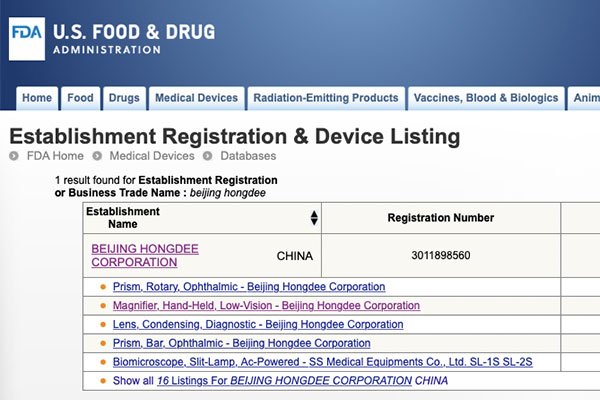
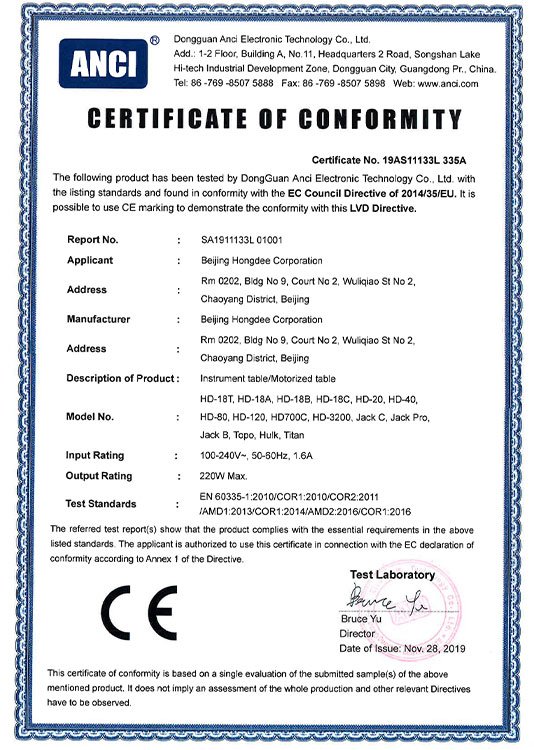
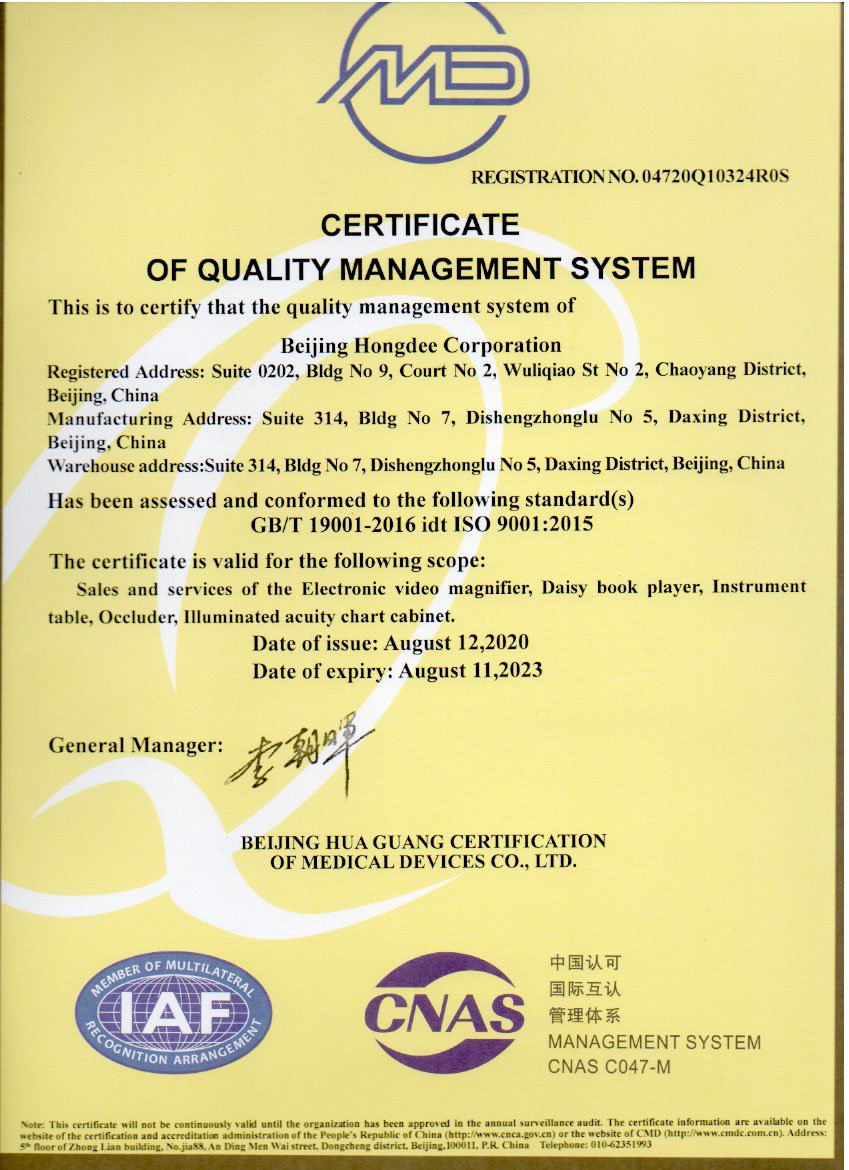
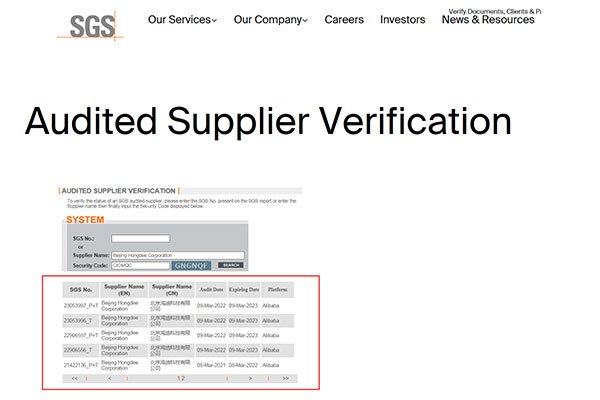
At Hongdee we hold ISO 13485, ISO 9001, CE, ETL, FDA, and SGS certification, and we have supplied original equipment to Topcon for three years. That certified history is exactly the kind of evidence a sponsor can present — consistent manufacturing under audited quality systems across multiple markets.
Evidence that helps
- CE certificates under the current EU framework
- FDA clearance or registration, where applicable
- ISO 13485 quality management system certification
- ISO 9001 certification
- Test reports and technical documentation for the device
One warning: certification alone is not a ticket. The TGA assesses each application on its own evidence. So treat your CE and FDA folders as a strong starting point, not a finished application.
What Timeline and Cost Should You Budget?
Everyone wants a number, and I understand why. Budgeting for Australia is hard when the official information spreads across several TGA pages. But the honest answer is that the timeline and cost genuinely vary, and anyone who quotes you a fixed figure without seeing your device is guessing.
Timeline and cost vary by device class, by the quality of your evidence, and by how the TGA is processing applications at the time. Fees are set by the TGA and change over time, and processing times differ between classes. The responsible approach is to check the TGA’s current published fees and service standards, and to build your budget from those, plus sponsor fees and preparation time.
Here is how to think about it without a fixed number. The application has two real costs: the TGA fees themselves, and the work your sponsor does to prepare and submit. Preparation time depends on how ready your technical file is. A device with clean CE evidence and a tidy file moves faster than one whose documents need rebuilding.
How to build your own estimate
- Look up the current TGA fee schedule for your device class
- Note the TGA’s published processing standards, and add a buffer
- Add your sponsor’s fees, which you should get in writing
- Add your internal preparation time — this is the variable you control
- Check the current rules again before you commit, because they change
Use the table below as a planning frame. It does not give you figures, because only the TGA and your sponsor can. It gives you the cost lines you must not forget, and where each number comes from.
| Budget line | Who sets it | Where to verify it | What changes it |
|---|---|---|---|
| TGA application and assessment fees | TGA | Current TGA fees and charges schedule | Device class, application pathway |
| Annual charge to stay on the ARTG | TGA | Current TGA fees and charges schedule | Device class, number of entries |
| Conformity assessment evidence | Notified Body or TGA | Your existing CE or FDA file | Whether overseas evidence is accepted |
| Sponsor service fees | Your sponsor | Written quote from the sponsor | Scope of work, ongoing vigilance duties |
| Technical file preparation | You | Internal review of your file | How complete and current your file already is |
| Translation and document formatting | You | Internal or vendor quote | Volume of documents needing rework |
The two lines you actually control are the last two. A tidy, current technical file shortens preparation time more than any other single factor, and preparation time is where first-time applicants lose months.
The same advice applies to your New Zealand plans. While Australia and New Zealand cooperate on some medical device regulation, the details and requirements for your product must be verified with the authorities in each country. Assume nothing, check everything.
What Post-Market Obligations Continue After Approval?
ARTG inclusion is not the finish line. It is the starting point of an ongoing duty. Many manufacturers treat approval as the end of the road, and then get surprised when the TGA expects vigilance activity, records, and reporting after the device is on the market.
After approval, the sponsor carries ongoing post-market obligations: reporting serious incidents and complaints to the TGA, maintaining records, updating registration when the device or its claims change, and responding to the TGA’s requests. These duties continue for as long as the device is supplied in Australia, and they are the sponsor’s legal responsibility.
Let me make this concrete with the daily reality. A clinic reports a strange failure to you. That complaint now has a paperwork path: you log it, you assess it, and if it is serious, your sponsor reports it to the TGA within the required timeframe. If the device changes — a software update, a new component — the registration may need updating too. None of this is optional.
The ongoing duty checklist
- Log and assess every complaint and adverse event
- Report serious incidents to the TGA through the sponsor
- Keep records of supply, and keep them current
- Update the ARTG entry when the device changes
- Answer TGA queries promptly through the sponsor
This is why choosing a good sponsor matters twice — once for the application, and again for every year you sell in Australia. At Hongdee we keep our own quality records to ISO 13485 standards for every unit we ship, so when a distributor needs a batch record or a change note for vigilance reporting, the answer exists and it is clean.
Conclusion
Australia runs on the TGA and the ARTG, with a local sponsor carrying the application and the ongoing duties. Use comparable overseas evidence, verify current fees and timelines with the TGA, and never stop tracking post-market obligations. Get these right, and the Australian market opens for real.