



Delivery completion is not clinical release. A sealed carton can still contain a configuration mismatch, transport damage, or missing document.
Receive ophthalmic equipment into a controlled hold, reconcile identity and contents, document condition and dependencies, and release it only after qualified personnel approve the unresolved risks.
At Hongdee, we recommend separating logistics receipt from permission to use. This article focuses on the on-site decision: accept into quarantine, request clarification, or release after the clinic’s authorized process is complete. It does not replace local rules, a manufacturer’s instructions, or professional safety review.
How should you control the equipment at arrival?
First, determine whether the shipment is identified and protected from unintended use while checks remain open. An unopened carton is not automatically ready for a clinical room.
Assign a receiving owner, record the shipment and condition, label the equipment as on hold, and keep it out of clinical use until the acceptance review has a documented outcome.
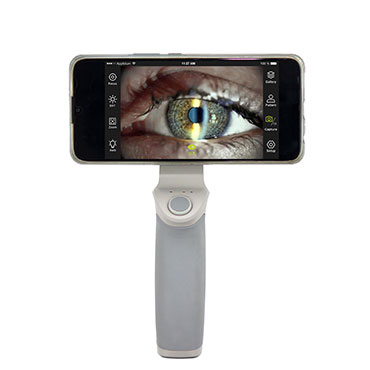
Establish a receiving record
Before opening, record the supplier, purchase reference, carrier information, carton count, arrival date, and visible condition. Photograph labels and damage according to the clinic’s policy. Do not interpret a clean exterior as proof that the instrument is undamaged. If a carton is wet, crushed, punctured, or unusually warm, isolate it and ask the responsible logistics or technical contact what to do next.
The hold label should identify the receiving status, not make an unsupported technical conclusion. “Awaiting acceptance review” is safer than “safe” or “failed.” Place the instrument and accessories in a location where unapproved staff will not use them. This is especially important when a familiar-looking device arrives before the manual, electrical review, or accessory check.
We recommend assigning one person to the receiving record and a qualified reviewer to the release decision. Those roles can be different even in a small clinic. A buyer can verify the order; an authorized technical or clinical lead may need to review operational safety. If no reviewer is available, keep the equipment on hold rather than turning a staffing gap into an informal approval.
| Receiving checkpoint | Record | Hold if |
|---|---|---|
| Shipment identity | Order, carton, and consignee references | Labels do not reconcile |
| External condition | Photos and written observations | Damage or moisture is present |
| Location | Controlled holding area | Unapproved access is likely |
| Responsible people | Receiver and release reviewer | No authorized reviewer is available |
| Status | Hold label and date | Status could be misunderstood |
Do not improvise damage handling
Do not power a damaged instrument merely to see whether it works. Do not open its housing, touch exposed components, bypass a protective feature, or continue using it after an abnormal smell, sound, heat, or movement. Follow the supplier’s documented process and contact an authorized engineer or service route. A receiving check should reduce risk, not create a new test hazard.
How do you reconcile the shipment with the approved order?
The second decision is whether the shipment matches procurement’s approval. The main instrument may be correct while an accessory or software component is missing or different.
Compare model identifiers, serial information where applicable, quantities, accessories, documents, and agreed configuration against the approved order; record every variance before installation.
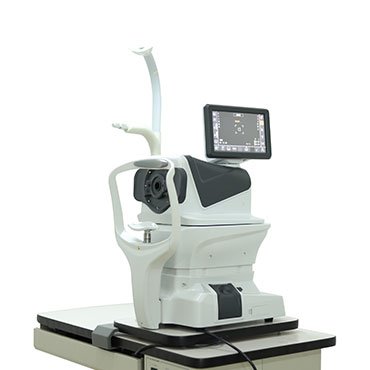
Reconcile line by line
Use the approved quotation or purchase order as the baseline, not memory or a generic product page. Check the model name, configuration, quantity, visible serial or batch information, accessory list, manuals, cables, stands, software media or access information, and any agreed site items. If an item is not expected in the shipment because it is locally supplied, mark that dependency rather than calling it missing.
The Hongdee digital slit lamp page describes a product category and options; it is useful for orientation but cannot prove that a particular shipment contains every displayed component. Ask the supplier to confirm an ambiguous item against the order record. Keep the response with the receiving packet.
A mismatch is not automatically a rejection. Some differences may be approved substitutions, split shipments, or accessories that arrive separately. The important control is that a named person decides whether the difference is acceptable. Do not let a clinic user make an operational assumption because the instrument looks complete.
Review documents before switching status
Locate the manufacturer’s instructions, safety information, setup requirements, cleaning guidance, and service contact. The World Health Organization’s procurement resource guide offers foundational procurement discipline; it does not establish current country-specific release rules. Consult the competent authority and qualified professionals for those requirements.
If the manual or required document is absent, place the shipment on hold and request it. Do not substitute a search result, a different model’s manual, or an employee’s recollection. Document version and model links matter because product-family information may not apply to every configuration.
What site and safety checks belong before release?
After reconciling identity and contents, decide whether the location and operating conditions are ready. A correct shipment may still be unsuitable if dependencies are unknown.
Confirm the planned location, utilities, furniture, data or software dependencies, user instructions, and applicable professional checks before removing the hold label.
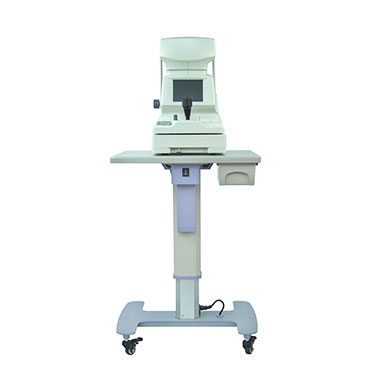
Verify the whole setup, not just the instrument
Review the intended room, support table or stand, clear working routes, cable management, power provision, environmental conditions specified by the manufacturer, and any network or computer dependency. Do not claim that a room is compliant because a device fits visually. If local accessibility or electrical review is required, assign it to the appropriate qualified party. We do not provide a universal dimensional or ADA-compliance statement.
Ask whether users have the instructions needed for normal operation and cleaning. Training may be informal or formal depending on the clinic’s policy and device risk. Record who is allowed to operate the equipment and where escalation information is kept. A user’s confidence is not the same as a completed acceptance review.
Apply a release gate
Use a simple decision record: green for verified, amber for assigned confirmation, and red for a condition that blocks use. Release should require the clinic’s authorized reviewer to sign or approve the record. If an issue can affect safety, identity, data, or essential function, keep the device on hold until resolved or formally dispositioned.
Acceptance should not manufacture test results. If a qualified person performs a manufacturer-directed check, record the method and result exactly as available. If no such result has been supplied, write “not documented,” not a guessed pass. That distinction protects the clinical team and the supplier.
How should you document release, quarantine, or escalation?
The final decision is whether the receiving packet explains the equipment’s status and reason. A verbal “looks fine” is difficult to audit or hand over.
Close the review with a dated status, evidence, open items, responsible owner, and authorized decision: release, quarantine, return, or further technical review.
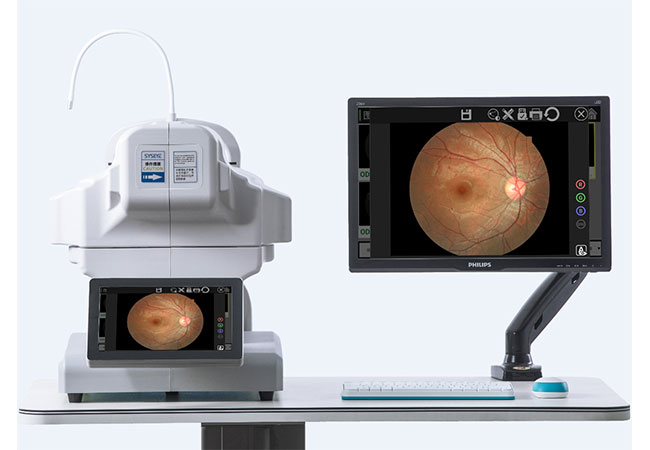
Use a compact acceptance packet
Include the purchase reference, receiving date, photographs, shipment condition, configuration comparison, accessory and document list, site dependencies, safety observations, and correspondence about variances. Add the reviewer’s name and role, decision date, status label, and next action. If the instrument is released, state the scope: release for the reviewed configuration and intended use, not universal approval for every patient or setting.
If the shipment is quarantined, identify the physical location and prevent accidental release. If a return or replacement is considered, preserve evidence and follow the supplier’s instructions. If the question requires technical judgment, route it to an authorized engineer rather than asking staff to diagnose inside the device.
The Hongdee service page can provide a contact route for discussing support scope. The quote contact page is useful for configuration questions, but neither page replaces the clinic’s own acceptance authority or local review.
| Final status | Minimum record | Next action |
|---|---|---|
| Released | Verified packet and authorized approval | Brief users and retain records |
| On hold | Reason, owner, and due action | Prevent clinical use |
| Quarantined | Location and risk description | Await technical disposition |
| Return or replacement review | Evidence and supplier contact | Follow documented process |
Sources and scope
- World Health Organization, “Procurement resource guide” (accessed 2026-10-12; foundational procurement and documentation context, not a current universal release rule).
- National Council on Disability, “Eames Report” (accessed 2026-10-12; historical accessibility-barrier context, not a statement of current law).
Conclusion
Keep arrivals on hold until identity, condition, documents, site dependencies, and authorized release are recorded. A controlled acceptance process protects patients, users, and the buyer from avoidable assumptions.