


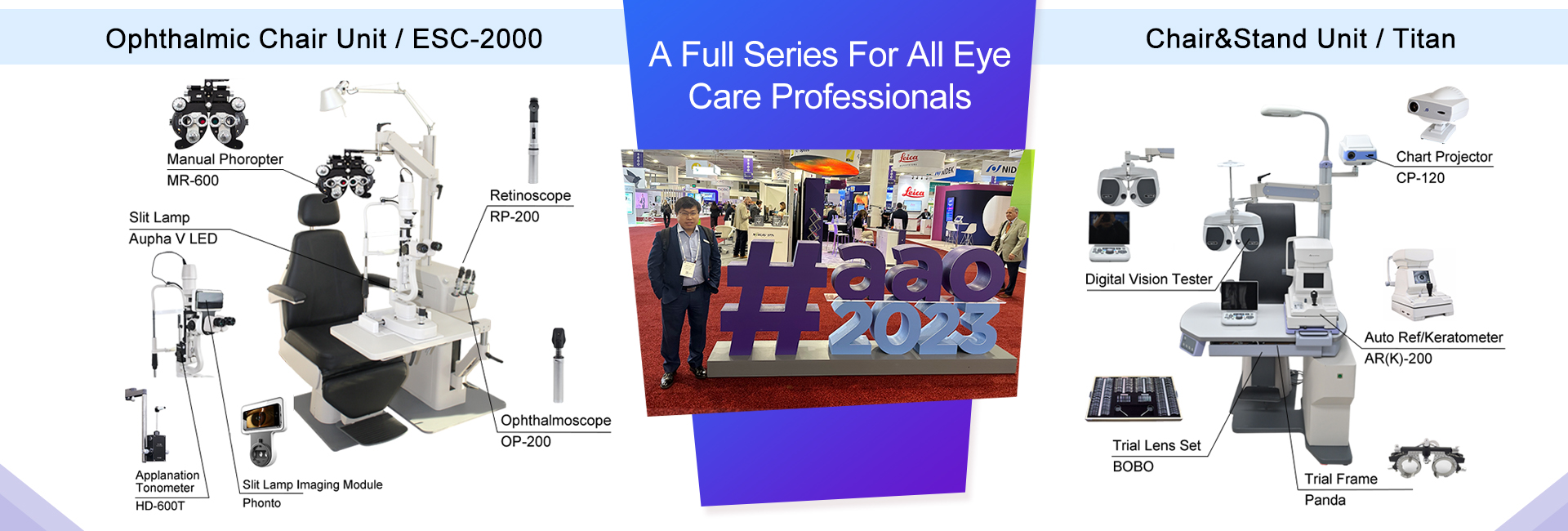
Do you struggle with a cluttered exam room that slows down your patient flow? It feels unprofessional and wastes time. We provide integrated chair and stand systems to solve this forever.
A combined ophthalmic chair and stand system offers superior space efficiency, seamless instrument integration, and enhanced patient comfort. By unifying the examination chair with the equipment stand, we help clinics streamline workflows, reduce installation complexity, and maintain a professional aesthetic for modern eye care practices.
We see many clinics trying to piece together separate chairs and stands. While it might seem cheaper initially, the long-term headaches often outweigh the savings. Let us look at why a unified system is the smarter choice for your business.
What Does a Chair-and-Stand Combo Actually Include Compared to Separate Purchases?
Managing different vendors for chairs and arms is a logistics nightmare. You might end up with parts that do not fit or cables that are too short. We make it simple.
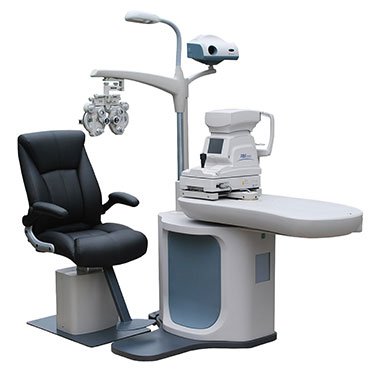
A typical combined system includes a motorized patient chair, a sturdy stand base, a phoropter arm, and an instrument tray for slit lamps. Unlike separate purchases, these components are engineered to work together with shared power supplies, unified controls, and matching mechanical tolerances for smooth movement.
Breaking Down the Integrated Components
When we talk about a “system” at Hongdee, we mean more than just furniture. It is a complete workstation. For example, our HULK and TITAN units are built to be the “brain” of your exam lane. When you buy separate pieces, you often have to worry about the “swing” of the arm hitting the wall or the chair not going low enough for the slit lamp tray.
In an integrated unit, the geometry is pre-calculated. The phoropter arm is perfectly balanced to the chair’s center of gravity. This prevents the stand from tipping or shaking during a delicate eye exam. You also get a single power cable for the whole unit instead of a “spider web” of wires on the floor.
Comparing Integrated vs. Separate Setup
| Feature | Integrated System (e.g., Hongdee TITAN) | Separate Components |
|---|---|---|
| Power Management | Single internal power hub | Multiple wall outlets needed |
| Footprint | Compact, unified base | Sprawling, disconnected bases |
| Control Logic | Unified keypad or foot switch | Separate controllers for each part |
| Aesthetics | Matching colors and materials | Mismatched brands and styles |
| Installation | Single-day setup | Multiple schedules and vendors |
We often tell our distributors that shipping an integrated unit is more efficient. We pack everything into one secure crate. If you source separate pieces, your shipping costs increase because you are paying for multiple small shipments from different factories. This is a hidden cost many buyers forget.
What Are the 5 Benefits: Space Savings, Aesthetics, Easier Installation, Lower Cost, and Unified Warranty?
Are you tired of feeling cramped in your own clinic while dealing with ugly, mismatched equipment? It hurts your brand and your mood. We believe an integrated solution is the answer.
The five main benefits include maximizing floor space, creating a high-end professional look, simplifying the assembly process, reducing total procurement costs, and providing a single point of contact for all warranty claims. These advantages ensure a more reliable and profitable operation for your eye care facility.
1. Massive Space Savings
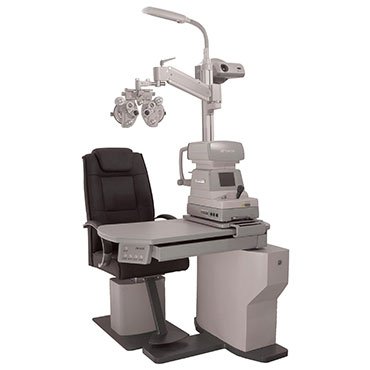
In cities like Singapore or London, clinic space is expensive. We designed our units to fit into a 2.5m x 2.5m room easily. Because the stand and chair share a base, you save about 30% more floor space compared to separate units. This allows you to fit more exam lanes into the same building, which directly increases your revenue potential.
2. Professional Aesthetics
First impressions matter. When a patient walks into a room with a Hongdee TITAN, they see a sleek, matching medical instrument. It looks like a high-end hospital. Mismatched equipment can look like a “second-hand” shop, which might make patients doubt your expertise.
3. Faster Installation and Training
Time is money. We pre-assemble many parts in our factory. When the crate arrives at your clinic, your technician can have it running in a few hours. Because the controls are unified, your staff only needs to learn one interface. We provide clear video guides to help with this process.
4. Lower Total Cost of Ownership
While the “sticker price” of a combo might look higher than a cheap chair, the total cost is lower. You save on shipping, installation, and maintenance. We also offer better package pricing when you buy the full unit.
5. Unified Warranty and Support
This is our favorite benefit. If a motor fails, you call us. You don’t have to figure out if it was the chair manufacturer’s fault or the stand manufacturer’s fault. At Hongdee, we back the whole system. This “single-hand” service is what makes us a top OEM partner for brands like Topcon.
| Benefit Category | Impact on Clinic Operations |
|---|---|
| Space | Can add an extra lane in small clinics |
| Installation | Reduces downtime by 50% |
| Financial | Lower consolidated shipping fees |
| Risk | No “finger-pointing” between vendors |
Who Benefits Most From an Integrated System: High-Volume Clinics, Multi-Lane Hospitals, or Mobile Practices?
Do you feel like your team is moving too slowly between patients? High-volume centers often face bottlenecks that kill profit. We designed our integrated systems to solve these specific flow issues for different clinic types.
High-volume clinics and multi-lane hospitals benefit most because integrated systems standardize the exam process, allowing doctors to move faster between patients. Additionally, optical boutiques with limited space find these compact units essential for providing a full medical experience in a small retail footprint.
High-Volume Clinical Environments
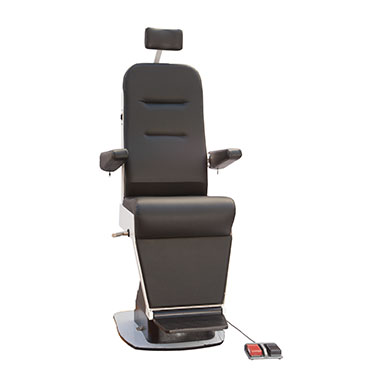
If you see 40+ patients a day, every second counts. In a Hongdee integrated unit, the slit lamp tray and phoropter arm move in a synchronized way. You don’t have to stand up and walk around the patient to adjust a separate stand. Everything is within arm’s reach. We have seen clinics improve their turnover time by 15% just by switching to integrated lanes.
Multi-Lane Hospital Systems
Hospitals love consistency. When every room looks the same, staff can move between lanes without a learning curve. Procurement departments also prefer integrated systems because it simplifies their inventory. Instead of tracking 50 different parts from 10 vendors, they track 10 unified units from Hongdee. Our 60+ global distributors help these hospitals manage their large fleets easily.
Boutique and Retail Optical Stores
If you are opening an optical shop in a mall, your space is tiny. You need to provide a professional eye exam to sell glasses, but you don’t have room for a massive hospital setup. Our EC-300 chair paired with a compact stand is the perfect “boutique” solution. It gives you the “wow” factor without taking up half the store.
| Clinic Type | Key Advantage of Integration |
|---|---|
| Private Practice | Enhanced brand image and patient trust |
| Large Hospital | Easier maintenance and staff rotation |
| Optical Retail | Maximizes retail space for frame displays |
Brand-Matched Systems vs. Mixed-Vendor Setups: Which One Delivers Better Long-Term Value?
Are you tempted by the “Frankenstein” approach of mixing different brands to save a few dollars today? This often leads to compatibility issues and higher repair costs later. We always advocate for brand-matched systems for long-term peace of mind.
Brand-matched systems deliver better long-term value through guaranteed mechanical compatibility, consistent software integration, and simplified maintenance. While mixed-vendor setups may have a lower entry price, they often suffer from “interface friction,” where parts from different manufacturers do not interact smoothly, leading to premature wear.

The Problem of “Interface Friction”
When we manufacture a phoropter arm at Hongdee, we know exactly the weight of the phoropters we produce. We calibrate the internal springs to match. If you put a heavy, old-style phoropter from another brand on a stand meant for modern, light units, the arm will “drift.” This drift ruins your refraction accuracy and frustrates the doctor.
Communication and Power Issues
Modern units often include digital controls. If your chair is from Brand A and your stand is from Brand B, they cannot “talk” to each other. An integrated Hongdee unit can be programmed so that when the chair moves up, the slit lamp power turns on automatically. These “smart” features are impossible in a mixed-vendor setup.
The Support Advantage
We have over 300 customers worldwide. The ones who are happiest are those who bought full “turnkey” lanes from us. If they have a problem in five years, we have the exact schematics for their entire lane. We don’t have to guess how a third-party chair was wired into our stand.
| Factor | Brand-Matched (Hongdee) | Mixed-Vendor (DIY) |
|---|---|---|
| Mechanical Fit | 100% Perfect | Often requires “hacks” or shims |
| Electrical Safety | Certified as one unit | Risk of ground loops and shorts |
| Resale Value | High (looks and works like new) | Low (looks pieced together) |
| Spare Parts | One catalog for everything | Hunting across multiple websites |
We often compare this to buying a car. You wouldn’t buy a Toyota engine and put it in a Ford body. It might move, but it won’t drive well. Your eye clinic deserves the same level of engineering integrity.
How Is Modern Exam Lane Design Moving Toward Integrated Solutions?
Do you worry about your clinic looking “dated” in just a few years? The industry is moving fast toward automation and digital integration. We are at the forefront of this shift, moving from simple chairs to intelligent exam ecosystems.
Modern exam lane design is moving toward “digital ecosystems” where the chair, stand, and diagnostic instruments are fully networked. This trend prioritizes data connectivity, automated positioning, and ergonomic comfort, making the integrated chair and stand the central hub of the modern ophthalmology practice.
The Shift from Analog to Digital
In the past, a stand was just a piece of metal to hold a lamp. Today, it is a data hub. Our latest units include USB ports and data cables built into the arms. This allows you to connect a digital slit lamp camera directly to your computer without wires hanging everywhere. As more clinics adopt EMR (Electronic Medical Records), having a “connected” stand becomes a requirement, not a luxury.
Ergonomics for the Aging Workforce
Ophthalmologists often suffer from neck and back pain. We are designing our units with better ergonomics in mind. This means shorter reach distances and smoother motorized adjustments. By integrating the chair and stand, we can ensure the doctor and patient are always in the optimal position for a comfortable exam.
Hongdee’s Vision: The Complete Unit
We don’t just stop at the chair and stand. We offer the full range, including the phoropter, slit lamp, and vision chart. When you source the complete “Hongdee Lane,” you get a level of harmony that no other Chinese manufacturer can offer. We have been an OEM for Topcon for 3 years, so we understand the highest global standards of design.
| Future Trend | Impact on Exam Lane Design |
|---|---|
| AI Integration | Stands will need to support high-speed data for AI screening |
| Automation | Chairs will auto-adjust based on patient height data |
| Miniaturization | Unified bases will get even smaller and more portable |
Conclusion
Integrated chair and stand systems are the foundation of a modern clinic. We help you save space, look professional, and reduce long-term costs. Choose a brand-matched Hongdee system to ensure your practice is ready for the future of eye care.