


What Equipment Do You Need to Launch a Contact Lens Fitting Service?
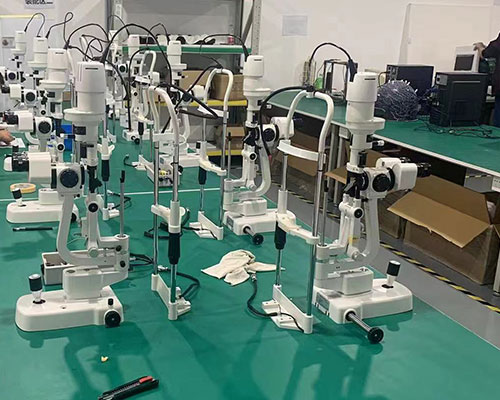
New contact lens patients want a quick, safe fit. But a poor fit means red eyes, returns, and lost trust. So the right tools protect both your patients and your name.
To launch a contact lens fitting service you need a slit lamp to assess the eye surface, an autorefractor-keratometer to measure cornea curvature and power, and a lensmeter to verify lenses. We at Hongdee bundle these into one clean fitting workflow.
So let me show you how I build this service from scratch. I will cover the core tools, the specs that matter, the daily workflow, the budget, and the support you should expect. The aim is a fitting room that works anywhere.
Why Does a Safe Contact Lens Fit Depend on the Cornea?
Many stores sell lenses off a prescription alone. That feels fast. But the eye surface decides whether a lens sits well or hurts. So skipping the cornea is a real risk.
A safe fit depends on corneal curvature, tear film, and surface health. We at Hongdee focus your tools on these, because the cornea carries the lens, so measuring and inspecting it comes before any lens choice.
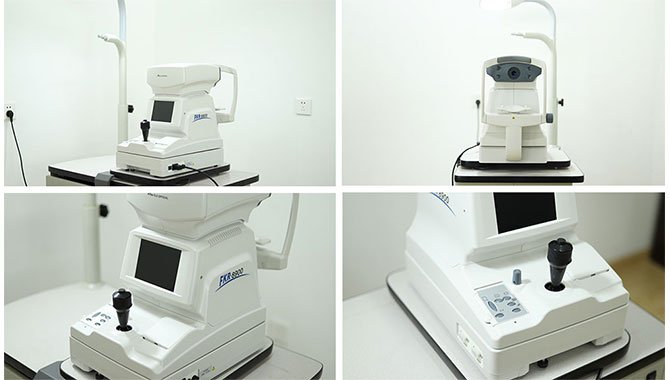
The cornea is the clear dome at the front of the eye. A contact lens rests on it, floating on a thin tear layer. So if the curve is steep or flat, a standard lens may sit wrong.
Curvature Drives Base Curve
Keratometry measures how steep the cornea is. This guides the lens base curve. A good match lets the lens move just enough with each blink, so tears refresh under it.
Tear Film Drives Comfort
A dry eye fights a lens. You check the tear film at the slit lamp before you fit. If tears are weak, you treat that first, or you choose a lens made for dryness.
Surface Health Drives Safety
You look for scratches, redness, or vessels growing where they should not. These signs change your plan. So the slit lamp exam is not optional, it is the heart of safe fitting.
| Eye factor | Tool | What it tells you |
|---|---|---|
| Curvature | Keratometer | Base curve to pick |
| Power | Autorefractor | Starting lens power |
| Tear film | Slit lamp | Comfort risk |
| Surface health | Slit lamp | Safety to fit |
This holds true in Brazil, the UAE, or Germany. The patient and climate change, but the cornea rules the fit. So start there, always.
What Specs Should You Compare on Fitting Equipment?
Spec sheets are long and dense. You can drown in numbers and still buy the wrong tool. So you need to know which few specs actually change your fits.
Compare slit lamp magnification steps and illumination, autorefractor-keratometer measurement range and speed, and lensmeter accuracy for soft and toric lenses. These specs decide whether your measurements are precise enough to trust.
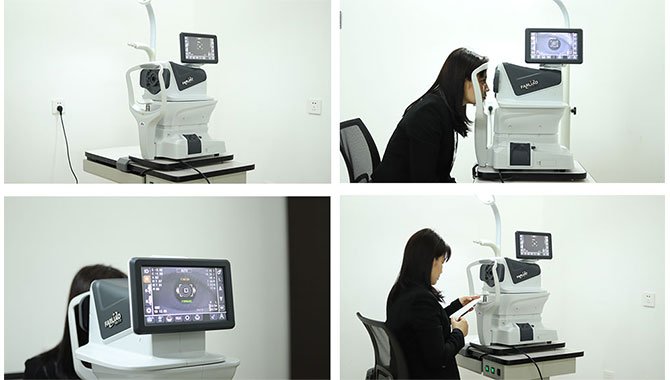
Let me explain the specs I weigh, in plain terms. I only care about numbers that help me fit better.
Slit Lamp: Magnification and Light
You want several magnification steps so you can zoom from a wide view to fine detail. Good, even illumination with a blue filter helps you see fluorescein patterns, which show how the lens sits.
Autorefractor-Keratometer: Range and Speed
A wide measurement range covers more patients, from mild to strong prescriptions. Fast capture helps with children and nervous patients who cannot hold still long. Repeat readings should stay close together.
Lensmeter: Accuracy and Lens Types
Your lensmeter must read the lens power you dispense. For toric and multifocal lenses, it needs to handle cylinder and axis cleanly. An auto lensmeter speeds this up and cuts reading errors.
| Device | Spec to check | Why it matters |
|---|---|---|
| Slit lamp | Magnification steps | See fine surface detail |
| Autorefractor | Measurement range | Fits more patients |
| Keratometer | Repeatability | Reliable base curve |
| Lensmeter | Toric support | Verify complex lenses |
Buy on the specs you will truly use. Because an extra feature you never touch adds cost, not value.
How Does the Fitting Workflow Run Day to Day?
A messy workflow slows your room and tires your staff. Patients wait, notes get lost, and fits drift. So a clear daily flow keeps quality high and queues short.
The daily flow is measure, inspect, fit, verify, and teach. We at Hongdee order our tools to match this path, so your team moves from cornea data to a verified lens to patient training without backtracking.
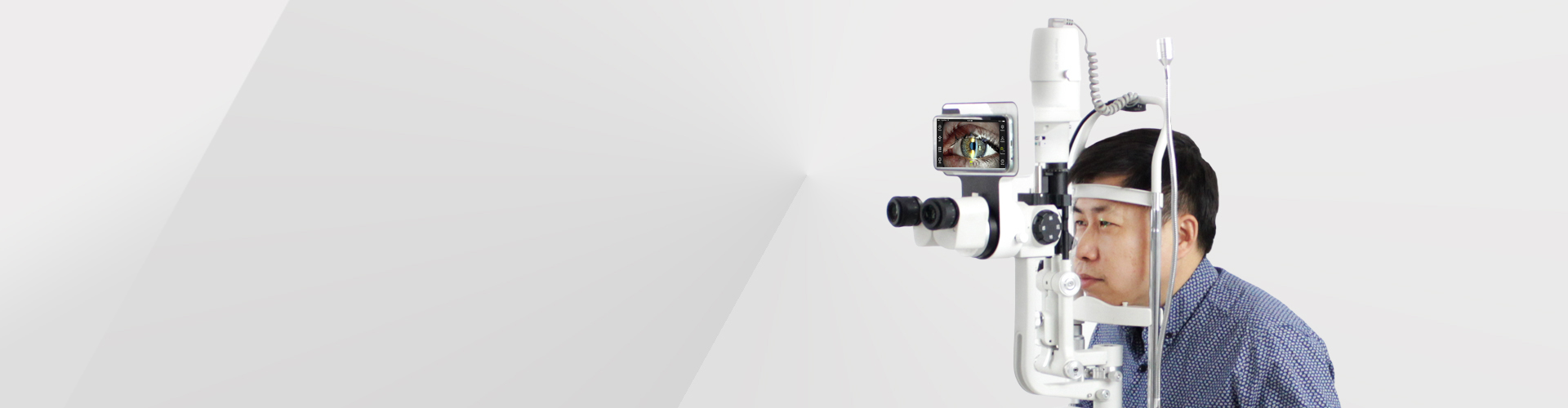
Here is how a visit runs in a room I would set up. Each step feeds the next, so nothing is wasted.
Step One: Measure
Start at the autorefractor-keratometer. You get a power estimate and the corneal curves. This gives you a strong first guess for lens type and base curve.
Step Two: Inspect
Move to the slit lamp. You check the surface, tear film, and lid health. This confirms the eye can safely take a lens today.
Step Three: Fit and Assess
Place a trial lens. Wait a few minutes, then return to the slit lamp. You watch lens movement and centering, often with fluorescein. A good fit moves a little and centers well.
Step Four: Verify and Teach
Use the lensmeter to confirm the lens power before dispensing. Then teach the patient to insert, remove, and clean the lens. Good teaching cuts infections and returns.
A smart layout puts these tools within a few steps of each other. So in a busy Southeast Asian mall store or a quiet clinic in Australia, the staff never cross the room twice for one patient. That saves minutes, and minutes add up.
What Does It Cost and How Do You Plan the Investment?
Opening a fitting service costs money up front. Buy everything at once and cash gets tight. Buy too little and you cannot fit safely. So staged planning protects you.
Start with a slit lamp and a lensmeter, add an autorefractor-keratometer as volume grows. We at Hongdee help you phase the spend, so your investment follows real patient demand and stays affordable.

I keep money claims honest, because this touches your business health. I will not promise a payback window, since that depends on your prices and traffic. Instead, here is how I phase it.
Phase One: Safety First
Buy a slit lamp and a lensmeter first. The slit lamp lets you fit safely, and the lensmeter lets you verify lenses. Together they are the minimum for responsible fitting.
Phase Two: Speed and Precision
Add the autorefractor-keratometer next. It speeds measurement and sharpens your base curve choice. This lifts both volume and fit quality.
Phase Three: Comfort and Growth
Add dry-eye and specialty tools as your patient mix widens. This lets you serve harder cases that others turn away.
| Phase | Add this | Priority | Benefit |
|---|---|---|---|
| 1 | Slit lamp + lensmeter | First | Safe, verified fits |
| 2 | Autorefractor-keratometer | Second | Speed + precision |
| 3 | Specialty tools | Third | Harder cases |
Watch compliance in every market. Depending on where you import and operate, you may face FDA, CE, TGA, ANVISA, or PMDA rules. Check the local body before shipping. Because clearing the right path keeps your service legal and your patients safe.
What After-Sales Support Keeps a Fitting Service Reliable?
A broken slit lamp stops fittings cold. No parts, no training, no fast fix. So weak support can quietly sink a new service.
Look for clear warranty, quick spare parts, remote staff training, and a calibration plan. We at Hongdee back our fitting tools after the sale, because a reliable room needs working tools and a trained team every day.
I treat support as part of the deal. Before you buy, ask clear questions and get the answers written down.
Parts and Calibration
How fast do parts reach your country? How often should the autorefractor and lensmeter be calibrated, and by whom? Calibrated tools give trustworthy numbers, so your fits stay accurate over the years.
Training and Updates
Will the supplier train your staff remotely, in your language and time zone? Are software updates included? Good training means fewer fitting errors and fewer unhappy patients.
Downtime Cover
Is there a loaner or a fast-repair option if a device fails? In regions like South Africa or Brazil, shipping can be slow. So a downtime plan keeps your room open while you wait.
| Support item | Ask this | Why it matters |
|---|---|---|
| Warranty | Coverage and length? | Limits surprise cost |
| Parts | Shipping time here? | Less downtime |
| Calibration | Who and how often? | Accurate measurements |
| Training | Remote, my language? | Fewer errors |
Good support stays in the background. You only notice it when you need it, and then you are glad it is there.
Conclusion
Start with a slit lamp and lensmeter, add an autorefractor-keratometer, and verify every lens. We at Hongdee pair solid specs with real support. So your contact lens fitting service launches safe, fast, and ready to grow.