


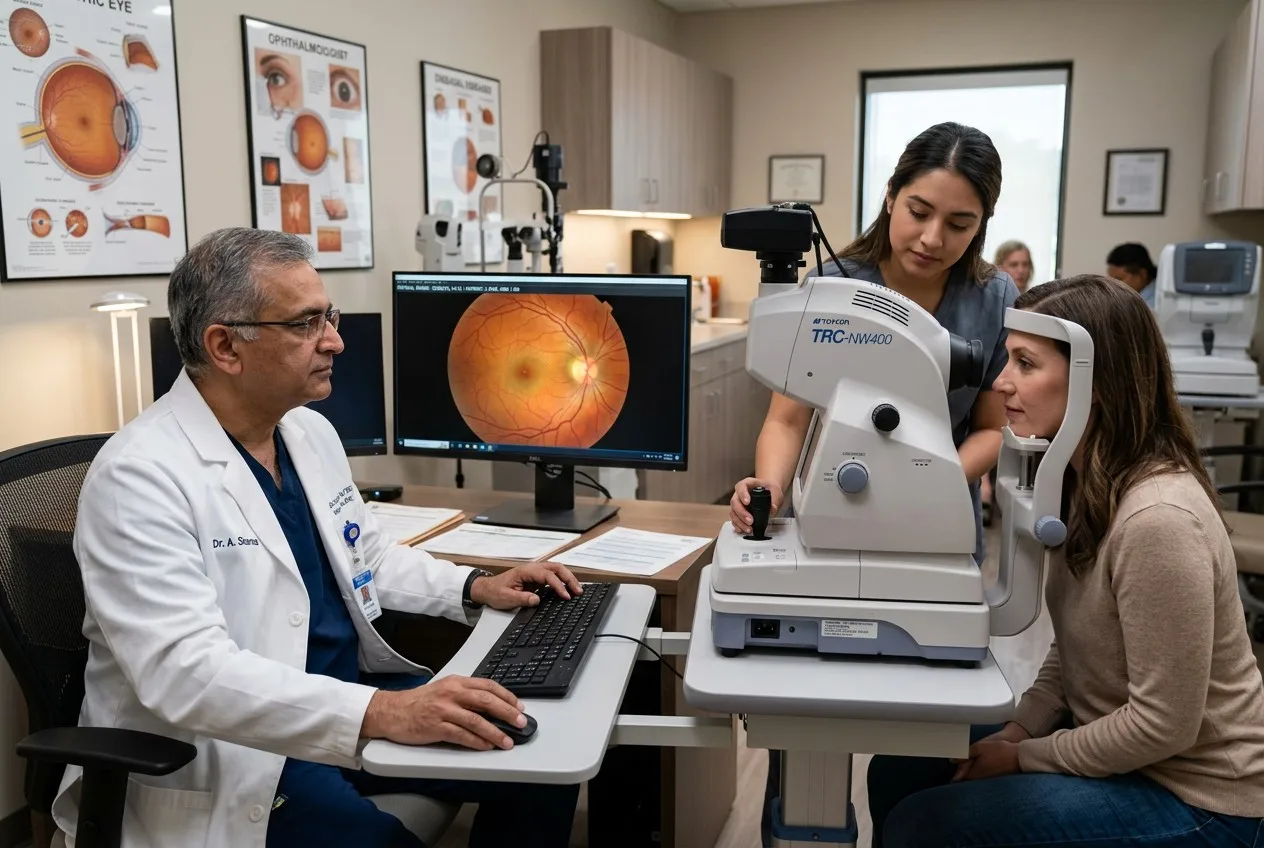
Digital imaging is changing eye care, and the fundus camera is at the heart of it. You know you need one, but the specs can be overwhelming and the prices vary wildly.
To pick the right fundus camera, assess your patient volume and portability needs. Choose a non-mydriatic camera with at least a 45-degree field of view and 12-megapixel resolution for routine screening. Ensure the software is compatible with AI diagnostic platforms to future-proof your investment for the next decade of eye care.
I’ve helped hundreds of clinics transition from basic exams to full digital retinal imaging. Whether you are a solo practitioner or a hospital procurement officer, the fundamentals of a good “buy” remain the same.
Why Is a Fundus Camera Non-Negotiable for Modern Eye Care?
A few years ago, fundus cameras were only found in high-end hospitals. Today, if you aren’t imaging the retina, you are falling behind your competitors and potentially missing critical pathology.
A fundus camera provides a permanent, objective record of the retina, which is essential for monitoring chronic conditions like glaucoma, diabetic retinopathy, and macular degeneration. It improves diagnostic accuracy and acts as a powerful educational tool to show patients exactly what is happening inside their eyes.
Clinical Necessity
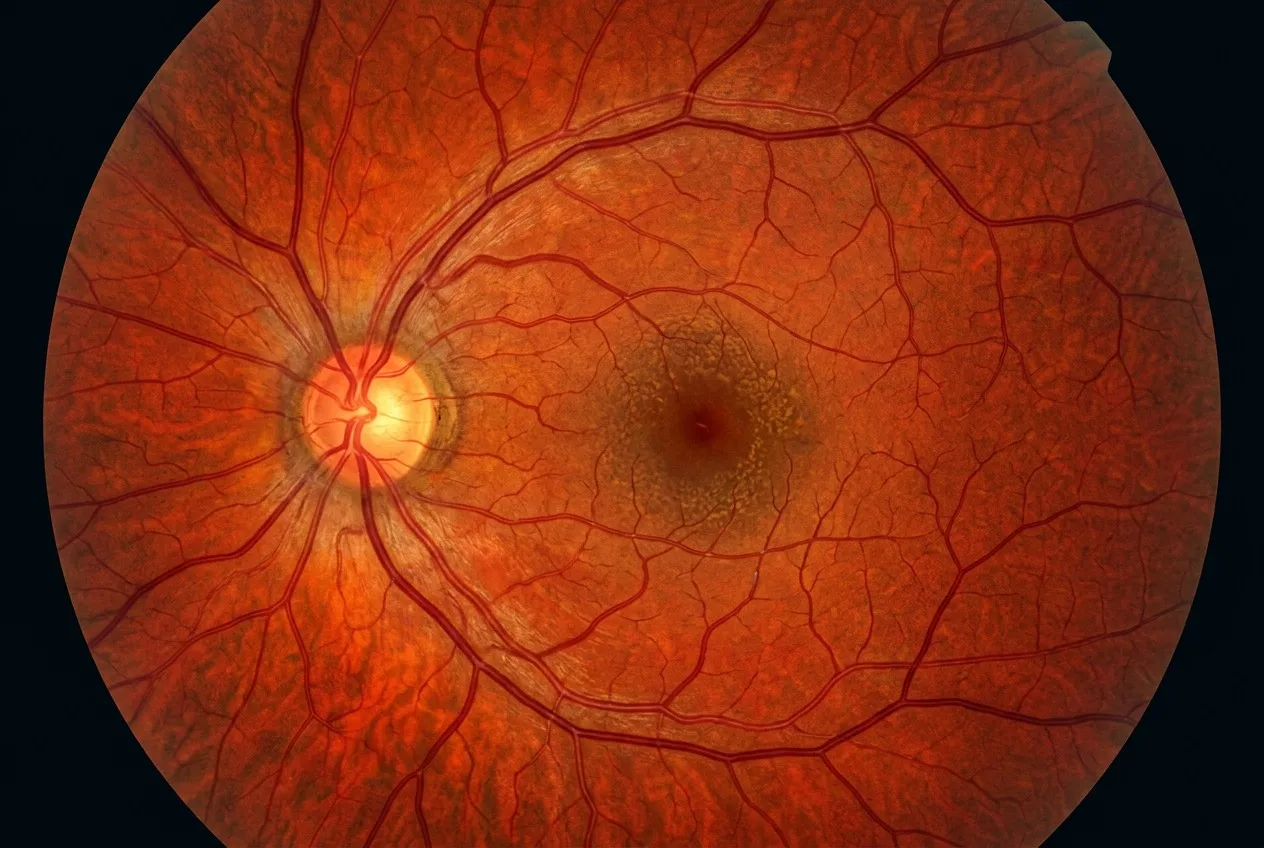
I often tell my customers: you can’t manage what you can’t see. Using an ophthalmoscope alone is like looking through a keyhole. A fundus camera gives you the whole room. With the rise of diabetes globally, every clinic must be able to screen for retinopathy. Our Hongdee cameras are designed to work even through small pupils, which is a lifesaver for older patients who don’t dilate well.
Patient Education and Retention
When you show a patient a high-res photo of their own optic nerve, the conversation changes. They suddenly understand why they need that referral or that expensive injection. I’ve seen clinic revenue increase by 20% simply because patients are more likely to return for follow-up when they have seen the “proof” of their condition. It builds a level of trust that words alone cannot achieve.
Impact on Daily Workflow
| Feature | Benefit to Clinic | Benefit to Patient |
|---|---|---|
| Non-Mydriatic | No waiting for dilation | No blurry vision post-exam |
| Digital Storage | Easy comparison over years | Better continuity of care |
| Instant Sharing | Faster referrals | Quicker treatment |
| AI Integration | Early disease detection | Peace of mind |
What Resolution and Field of View Should I Choose?
Don’t get caught in the “megapixel war.” More pixels don’t always mean a better diagnosis, but a narrow field of view will definitely limit your clinical utility.
For clinical use, look for a resolution of at least 12 to 16 megapixels and a minimum 45-degree field of view. While some “wide-field” cameras offer 200 degrees, they are significantly more expensive and often unnecessary for 90% of routine screenings in a standard optical clinic or hospital ward.
Understanding Field of View (FOV)
A 45-degree FOV is the gold standard. It captures the macula and the optic nerve head in a single shot. At Hongdee, we also offer “montage” software that stitches multiple photos together. This gives you a wider view without the $50,000 price tag of a dedicated wide-field unit. I always recommend this approach for clinics that want to be thorough but need to watch their budget.
The Resolution Myth
I’ve seen cameras advertised as “24MP” that actually produce blurry images because the optics are poor. Resolution is nothing without a high-quality lens. Because we manufactured for Topcon for years, we understand that glass quality matters more than sensor count. Our 12MP sensors produce crisp, diagnostic-grade images because the light path is perfectly aligned and the lenses are multi-coated to prevent glare.
Comparison Table: FOV vs. Application
- 30-45 Degrees: Standard for Macula/Disc imaging. (Most affordable)
- 60-90 Degrees: Mid-range, good for general screening.
- 100-200 Degrees: Specialized for peripheral retinal checks. (Premium cost)
Portable vs Desktop Fundus Camera: Which One for Which Setting?
This is the most common question I get from my 60+ distributors. Should they stock the handheld “wand” style or the traditional “tabletop” unit? The answer depends on your patient.
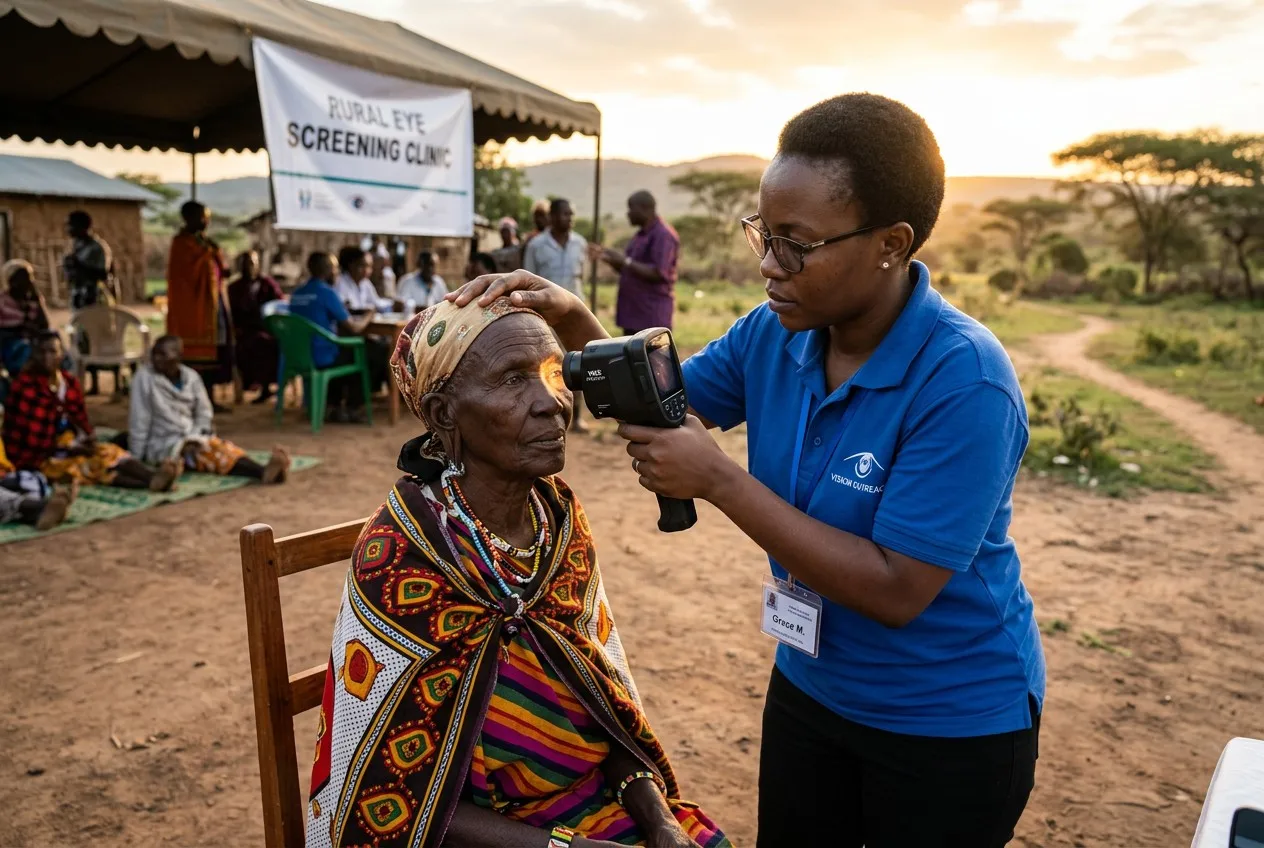
Portable fundus cameras are ideal for bedside exams, pediatric clinics, and community outreach programs where mobility is key. Desktop fundus cameras offer superior stability, better image consistency, and integrated chinrests, making them the better choice for high-volume clinics and busy hospital departments.
The Case for Portability
If you do home visits or work in a veterinary setting (yes, we have many vet customers!), a handheld camera is a game-changer. Our Hongdee portable unit weighs less than 1kg and can be used on a sleeping child or a patient in a wheelchair. It connects via Wi-Fi to your tablet or phone, making it incredibly modern and sleek. I’ve helped several NGOs in Southeast Asia set these up for remote village screenings.
The Stability of the Desktop
However, if you have a stationary clinic, the desktop unit is still king. Why? Because the chinrest ensures the patient doesn’t move. If the patient’s head moves 1mm, the focus is lost. A desktop unit eliminates this variable. Plus, our desktop models often include more powerful software and larger screens for immediate review. If you are doing 50 screenings a day, your back will thank you for choosing the tabletop version.
Which One Should You Buy?
- Small Clinic: Desktop (for professionalism and stability).
- Hospital Ward: Portable (for bedside visits).
- Outreach/Charity: Portable (for ease of travel).
- Vets/Pediatrics: Portable (for difficult-to-position patients).
How Do I Handle FDA and CE Registration for a Fundus Camera Import?
Importing a fundus camera isn’t like buying a pair of shoes. It is a Class II medical device, and customs will stop it if you don’t have the right paperwork.
To successfully import a fundus camera, you must ensure the manufacturer provides valid ISO 13485, CE, or FDA documentation. Partner with a supplier that has experience with your specific country’s regulations and can provide the necessary technical files and “Certificate of Free Sale” to clear customs smoothly.
Real World Example: The Thailand Case
I recently helped a customer in Thailand who was struggling with the local FDA registration. They were a small distributor and didn’t know how to handle the technical dossiers. Our team at Hongdee didn’t just sell them the camera; we spent two weeks preparing the exact documents their local authorities required. Because we are ISO 13485 certified, we had the data ready. They cleared customs in three days, and now they are our biggest partner in the region.
The Paperwork Trap
Don’t be fooled by “fake” certificates on some marketplace websites. If the certificate looks like a scan of a scan, it probably is. I invite all my potential customers to a “live factory tour” via video. You can see our original certificates, our assembly line, and our quality control process. We also offer a 2-3% discount if shipping is delayed because we know that waiting for a machine costs you money.
Essential Documentation Checklist
- [ ] ISO 13485 Quality Management Certificate
- [ ] CE Marking (for Europe and many other markets)
- [ ] FDA 510(k) (for the USA)
- [ ] Certificate of Free Sale (CFS)
- [ ] Technical File / User Manual in English
What Warranty and Support Should I Expect?
A fundus camera is an investment. If the software crashes or the flash tube burns out, you need to know you won’t be left with a $10,000 paperweight.
Expect a minimum 1 to 2-year comprehensive warranty that includes free spare parts and software updates. Your supplier should offer live technical support via video call to help with installation and staff training, ensuring you get the most out of the equipment from day one.
Future-Proofing with AI
In 2026, AI is the big story. Our Hongdee cameras are now compatible with several AI platforms that automatically screen for diabetic retinopathy. This is a huge value-add for your clinic. When you buy from us, we help you set up these connections. If the software ever needs an update, we push it to you for free. We don’t believe in “planned obsolescence.” We want your camera to work for 10 years, not 2.
Direct Contact with the CEO
I know it sounds unusual, but at Hongdee, you can actually get a direct line to our CEO. We are a family-run business at heart, with 15 years of history. We don’t have layers of corporate bureaucracy. If a hospital in Nigeria has a problem, it gets escalated to the top immediately. We also provide free repairs and ship parts via DHL Express. We treat our 300+ customers like partners, not just invoices.
Post-Purchase Success Factors
- Staff Training: Do they offer video tutorials?
- Spare Parts: Do they keep flash tubes and sensors in stock?
- Software: Is it “open” or locked to one expensive brand?
- Reputation: Can they give you references from other doctors?
Conclusion
Choosing a fundus camera is a major step toward modernizing your practice. By focusing on the right resolution, deciding between portable and desktop based on your patient flow, and ensuring your supplier can handle the regulatory and technical hurdles, you can make this investment with confidence. At Hongdee, we’ve spent 15 years making this process easy for doctors worldwide. Let’s bring better vision care to your patients together.