


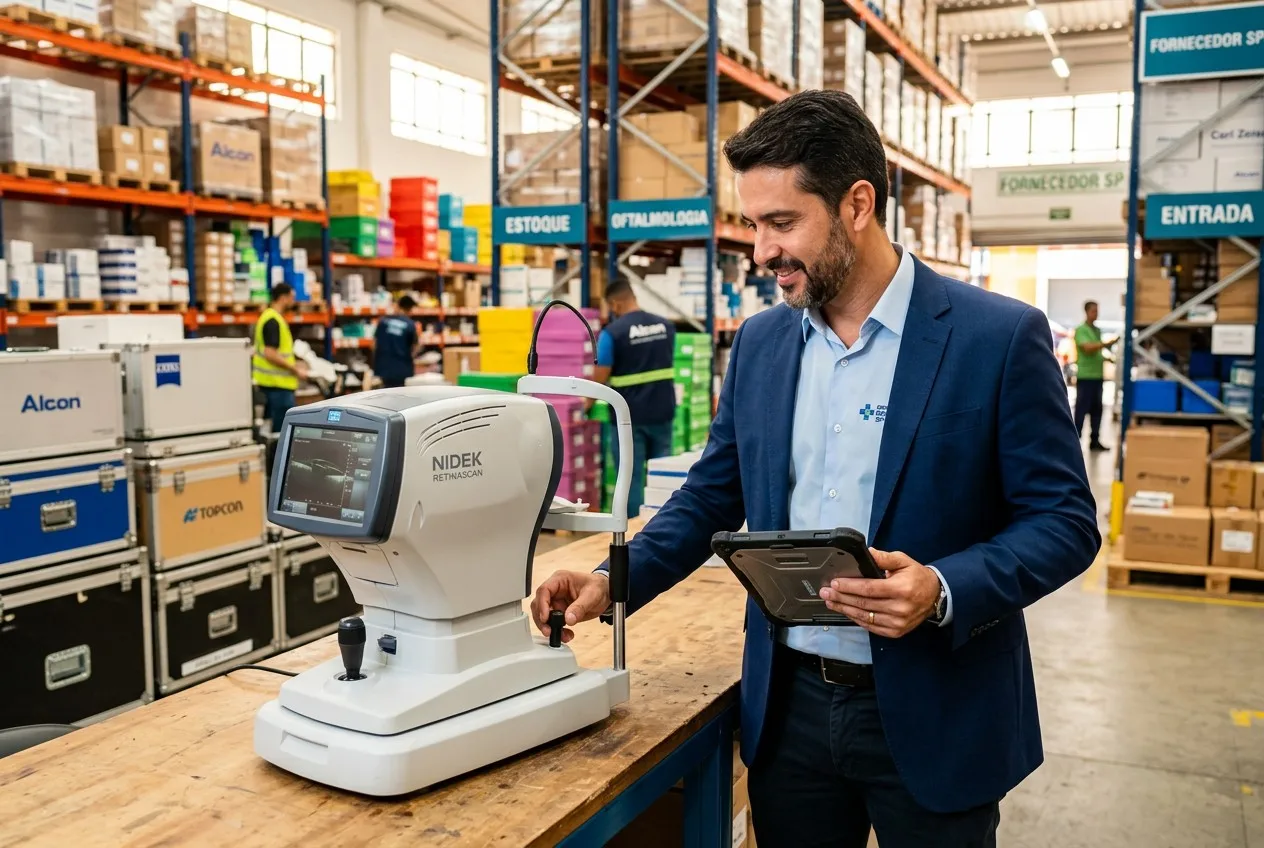
Are you tired of paying high European prices while your local market in Brazil or Mexico demands more affordable eye care solutions? I see so many distributors struggling to balance quality and price in the competitive Latin American market.
Latin American distributors successfully import ophthalmic equipment from China by navigating country-specific regulations like ANVISA or COFEPRIS, choosing reliable manufacturers with strong technical support, and managing logistics risks through expert shipping partners. Success depends on finding a supplier that offers both the price of China and the service quality of the West.
I have worked with distributors from across the Americas for 15 years. From Argentina to Mexico, the challenges are always the same: complex customs, fluctuating currencies, and strict health authorities. At Hongdee, we have built a network of 300+ customers by understanding these local pains. Let me show you how to build a profitable import business in this region.
Why Is China Now the #1 Source for Latin American Ophthalmic Distributors?
Do you remember when “Made in China” meant low quality, and you only trusted German or Japanese brands? I know that mindset is hard to change, but the numbers in 2026 tell a completely different story.
China is the top source for Latin American ophthalmic equipment because it offers a 30-50% price advantage over Western brands while meeting international standards like ISO 13485, CE, and FDA. This allows distributors to offer high-end diagnostic tools like OCTs and fundus cameras to a wider range of clinics and hospitals with limited budgets.
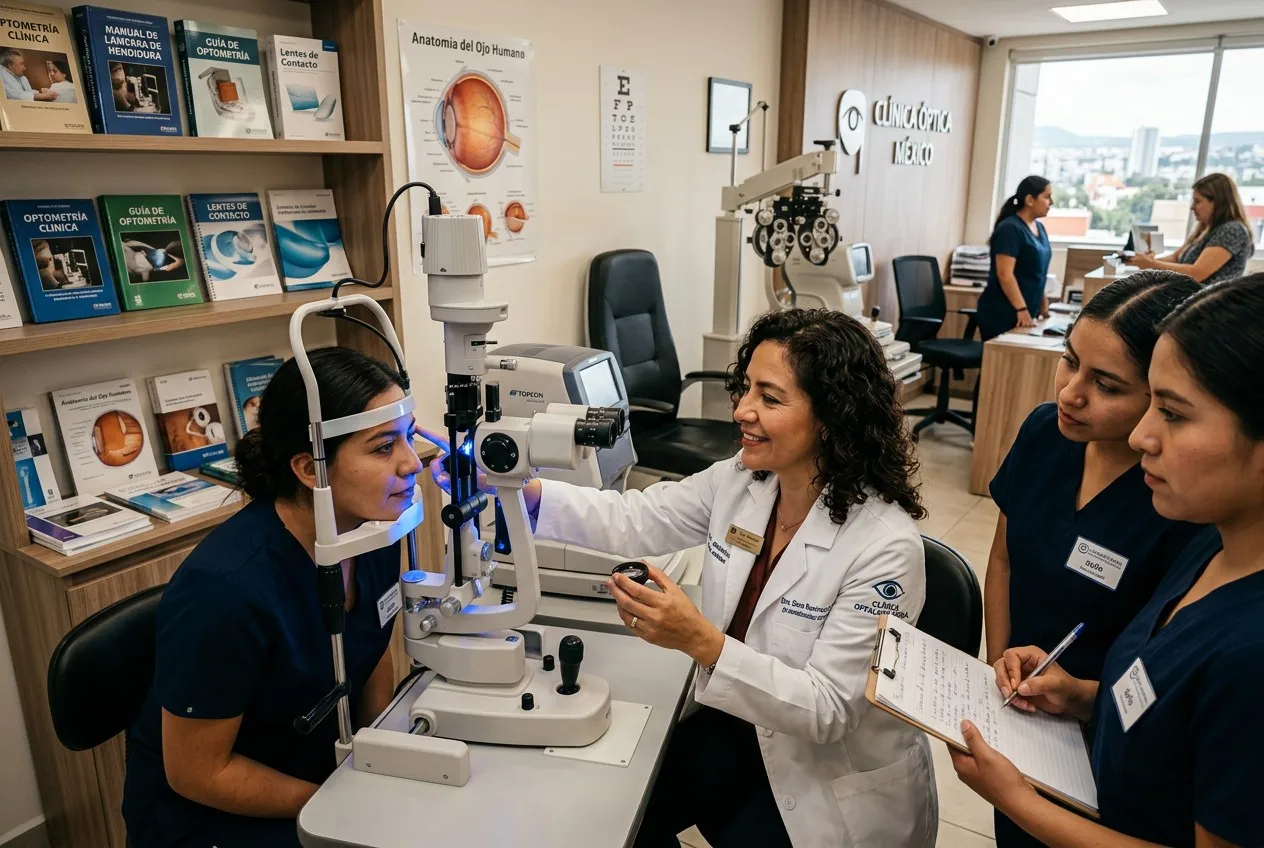
The Quality Revolution in China
In the last decade, I have seen a massive shift. Chinese manufacturers are no longer just “copying”; they are innovating. At Hongdee, we spent 3 years as an OEM for Topcon. That experience infused Japanese precision into our DNA. When a distributor in Colombia buys our slit lamp, they aren’t just getting a cheaper price—they are getting a machine that performs at a world-class level. This “value-for-money” is why China has overtaken traditional suppliers in the region.
Solving the “Two-Tier” Market Problem
Latin America has a unique market structure. You have elite private hospitals and a massive public health sector. European brands are too expensive for the public sector, and low-end “no-name” brands are too risky for the private clinics. Chinese manufacturers like Hongdee fill the “sweet spot” in the middle. We provide the reliability needed for professional diagnostics but at a price point that makes sense for a developing economy.
Comparison: Western vs. Chinese Ophthalmic Brands
| Feature | Western Brands (EU/US) | Hongdee (China) |
|---|---|---|
| Price Point | Very High (Premium) | Competitive (Middle-Market) |
| Delivery Time | 2-4 Months | 4-6 Weeks |
| Parts Availability | Expensive / Slow | Affordable / Global Shipping |
| Service Support | High-cost Maintenance | Remote Support & Local Training |
| Certifications | FDA / CE | ISO 13485 / CE / FDA Support |
What Regulatory Challenges Do I Face in Brazil, Mexico, and Argentina?
Are you worried about your shipment being held at a warehouse in Santos or Veracruz for months because of a missing document? I have seen many good businesses fail because they underestimated the power of local health authorities.
The main regulatory challenges include ANVISA in Brazil, COFEPRIS in Mexico, and ANMAT in Argentina. Each has unique requirements for clinical data, factory inspections, and “Manufacturer Authorization” letters. You must have a local partner or a registered company in each country to hold the product registration and handle post-market surveillance.
Navigating the “Big Three” Regulations
I always tell our partners that “Latin America” is not one market—it is many. ANVISA in Brazil is notoriously difficult; they often require their own factory audits. COFEPRIS in Mexico is more aligned with US FDA standards but has its own “Normas” for labeling. ANMAT in Argentina focuses heavily on the technical file and the traceability of every unit. We support our distributors by providing specific document packages tailored to each of these three giants.
Reusing Global Success for Local Approval
Here is a strategy that works: use your manufacturer’s success in other markets. For example, we recently helped a distributor in Mexico by sharing a case study from a successful Algeria distribution project. Why? Because the technical requirements for registering a fundus camera are often 80% the same across the globe. By showing that Hongdee products are already approved in Europe or Asia, you give your local regulator the confidence to say “Yes.”
Key Regulatory Bodies by Country
- Brazil: ANVISA (Agência Nacional de Vigilância Sanitária)
- Mexico: COFEPRIS (Comisión Federal para la Protección contra Riesgos Sanitarios)
- Argentina: ANMAT (Administración Nacional de Medicamentos, Alimentos y Tecnología Médica)
- Colombia: INVIMA
- Peru: DIGEMID
How Do I Handle Shipping, Duties, and Customs to Latin America?
Do you feel like you’re gambling with your money every time a container leaves a Chinese port? I know that high freight costs and unpredictable customs duties can eat up your entire profit margin.
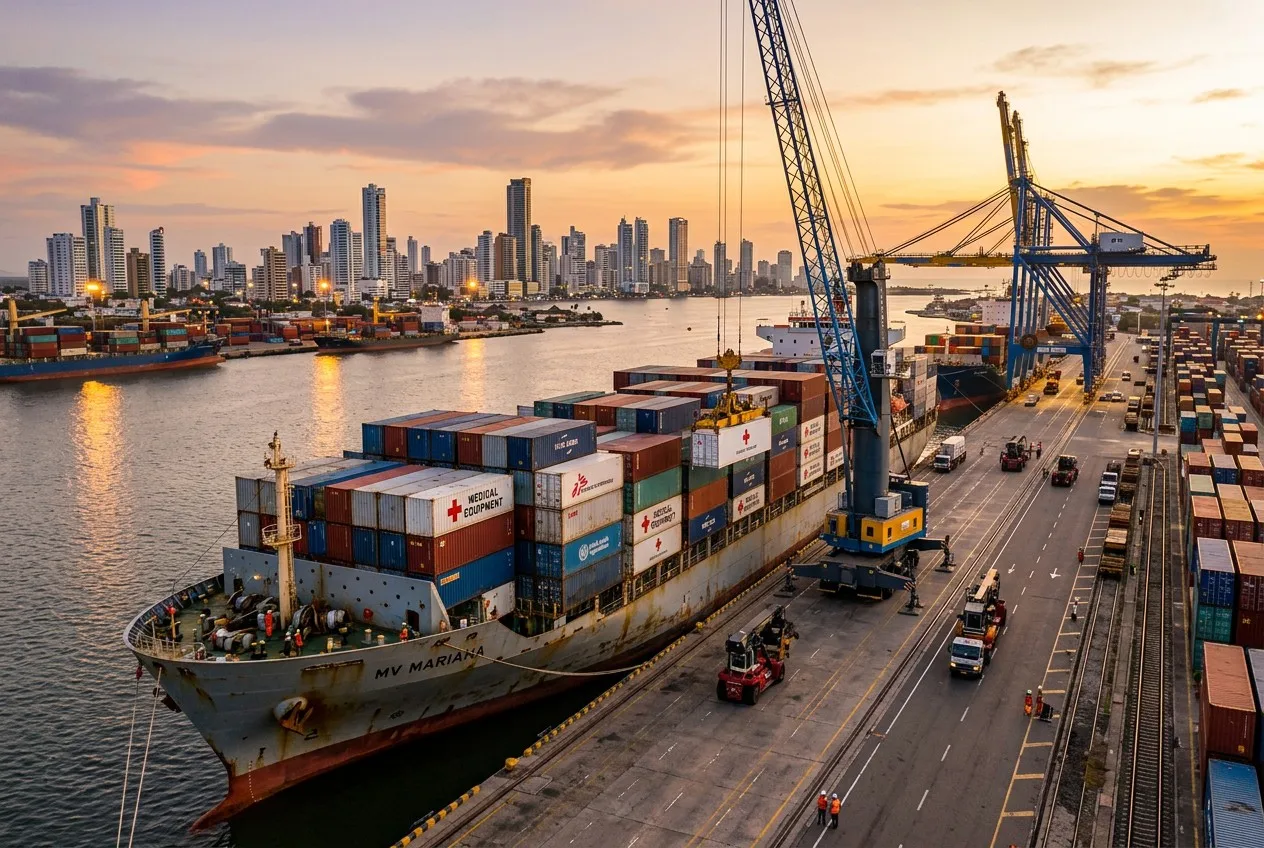
Handling shipping to Latin America requires choosing between sea freight (for large items like refraction units) and air freight (for delicate tools like tonometers). You must work with a freight forwarder who specializes in the region to handle “Import Licenses” and “Customs Brokerage” to avoid heavy fines or seizures at the port of entry.
The Reality of DDP in Latin America
I often get asked if we can do “DDP” (Delivered Duty Paid) to Brazil or Argentina. My honest answer is: be very careful. Many logistics companies promise DDP but then get stuck at customs. For medical equipment, it is almost always better to use “CIF” or “FOB” and have your own local customs broker handle the final mile. This ensures that all taxes are paid correctly and that your import license stays valid. We provide all the packing lists and proforma invoices needed to make this process smooth.
Protecting Your Equipment During Transit
The journey from China to Latin America is long. Your equipment will cross the equator and face high humidity and temperature changes. At Hongdee, we use double-layered export cartons and internal foam moldings. For sensitive optics like slit lamp lenses, we include desiccant packets to prevent mold. I have seen too many distributors receive “cheaper” equipment that arrived broken because the manufacturer saved $5 on packaging. Don’t let that happen to you.
Logistics Strategy Checklist
- [ ] Choose Sea Freight for Volume: Best for tables and chairs.
- [ ] Air Freight for Urgency: 5-7 days for small parts or high-value items.
- [ ] Verify HS Codes: Ensure the “9018” code is used for medical optics.
- [ ] Check Wood Packaging: All pallets must be heat-treated (ISPM 15).
- [ ] Insurance is Mandatory: Never ship without a “Full Risk” policy.
What Payment Terms Actually Work for Latin American Buyers?
Are you struggling to pay for large orders while your local currency is losing value against the US dollar? It is a constant headache for distributors in the region, and I have seen many lose sleep over exchange rate “crashes.”
The most common payment terms are a 30% deposit with the 70% balance paid before shipment. However, for established partners, some Chinese manufacturers may offer “Letter of Credit” (L/C) options or staged payments. Managing currency risk through forward contracts or local currency bank accounts can help protect your margins from sudden devaluations.
Building Trust Through Small Steps
I don’t expect a new distributor in Chile to send me $50,000 on day one. We usually start with a small sample order or a “trial” MOQ. This allows the distributor to test our quality and our shipping speed without risking their entire capital. As the relationship grows over 3, 5, or 10 years, we become more flexible. Trust is the most valuable currency in our industry. I always say: “Build the partnership first, the profit will follow.”
Dealing with the USD/Local Currency Risk
The US dollar is the standard for international trade, but your revenue is likely in Real, Pesos, or Soles. If the dollar jumps 20%, your cost goes up 20%. I recommend that our distributors keep a “buffer” in their pricing to account for these swings. Some of our most successful partners in Brazil use “hedging” tools with their banks to lock in a rate when they place their order. This takes the “gamble” out of importing.
Recommended Payment Methods
| Method | Security Level | Speed | Best For |
|---|---|---|---|
| Telegraphic Transfer (T/T) | Medium | Fast | Small to Medium Orders |
| Letter of Credit (L/C) | High | Slow | Very Large Containers |
| Alibaba Trade Assurance | High | Fast | New Partnerships / Samples |
| Local Agent Payment | Medium | Medium | Overcoming Bank Restrictions |
How Do I Build a Long-Term Partnership with a Chinese Manufacturer?
Do you feel like your current supplier only cares about the next order and ignores you once the payment is made? It is a common complaint, and I believe it is the biggest mistake a manufacturer can make.
To build a long-term partnership, you must look for a manufacturer that provides Spanish-speaking after-sales support, offers technical training for your engineers, and is willing to customize products (OEM/Logo) for your brand. A true partner is one who supports you when things go wrong, not just when things are going well.
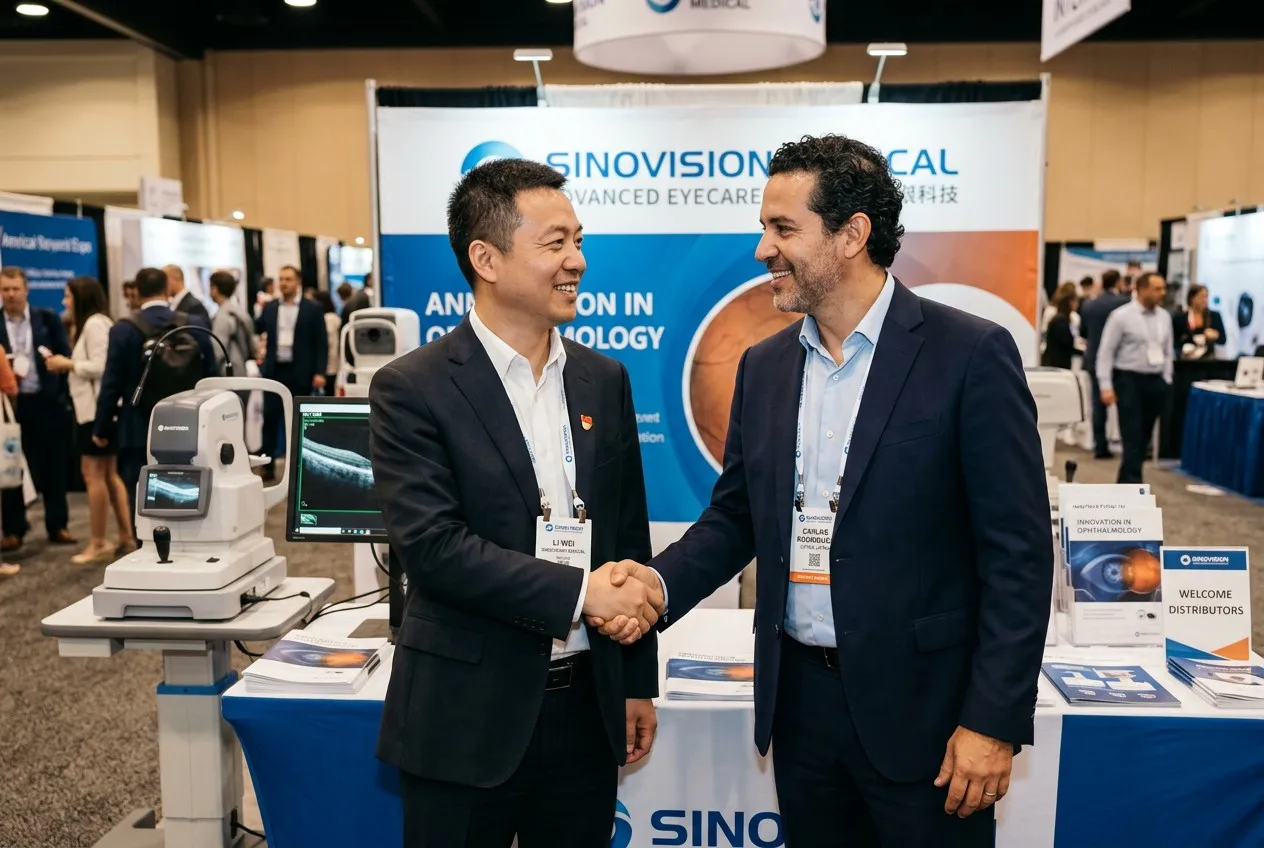
The Importance of Spanish Support
In Latin America, communication is everything. While many presidents of companies speak English, their service engineers often do not. That is why at Hongdee, we prioritize providing technical manuals and video guides in Spanish. I’ve seen distributors leave “big” brands because they couldn’t get a simple question answered in their own language. Being able to WhatsApp a technician in your time zone—even if it’s late in China—is a massive advantage.
Customization and Brand Building
You don’t want to just be “the guy who sells Chinese stuff.” You want to build YOUR brand. We help our Latin American partners by offering logo printing and custom color options on our equipment. This allows them to build local equity in their own name. We act as the “silent engine” behind their success. When I see a Hongdee-made slit lamp with a distributor’s logo in a clinic in Lima, I know we have built a real partnership.
5 Signs of a Great Manufacturer Partner
- Response Time: Do they answer within 24 hours?
- Spare Parts: Do they keep parts for 5-10 years?
- Training: Do they offer Zoom or in-person service training?
- Transparency: Do they tell you about delays before you ask?
- Loyalty: Do they protect your territory or sell to everyone?
Conclusion
Importing ophthalmic equipment from China to Latin America is a journey that requires patience, local regulatory knowledge, and a trustworthy manufacturing partner. By focusing on quality standards and building a strong relationship with your supplier, you can dominate your local market and bring better vision to your community.