


How Do You Enter the Middle East Ophthalmic Equipment Market as a Distributor?
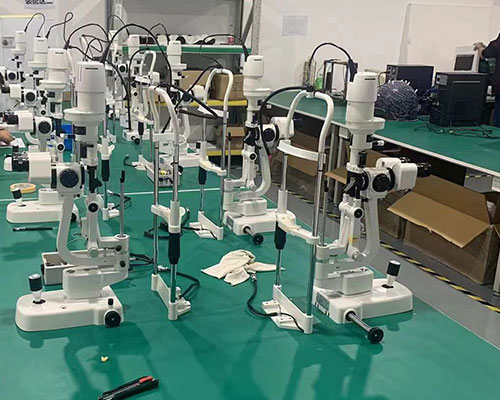
The Middle East buys serious ophthalmic equipment, and budgets keep growing. The wrong entry plan leaves good products stuck in customs. We at Hongdee have navigated this region for years.
You enter the Middle East market through a regulated path: register your company, match the right product lines, vet a local agent, and file complete import documents. The Saudi SFDA license is the strongest key, because it opens doors across the whole Gulf.
This article walks through the four steps we use with every new Middle East partner. Each one is practical, so you can act this quarter, not next year.
What regulatory bodies govern medical devices in the Gulf region?
Regulation looks similar across the Gulf, but each country runs its own system. Mixed-up paperwork costs months of delay. Knowing who is in charge fixes that problem.
Saudi Arabia’s SFDA, the UAE’s MOHAP, and Egypt’s EDA each control device approval in their own market. Recognition across borders is limited, so plan registrations country by country.

Regulators in the Gulf share one goal: keep unsafe devices away from patients. Every country demands proof of safety before a product enters clinics. The difference sits in how each system runs, so distributors must learn each one separately.
Saudi Arabia: SFDA is the gatekeeper
The Saudi Food and Drug Authority runs the strictest system in the region. It issues two separate approvals. First comes an establishment license for the importer or the distributor. Second comes a device registration for each product model you sell. We always confirm the establishment license first at Hongdee, because nothing else moves without it. The MEA ophthalmology market was valued at USD 5.00 billion in 2025, and Saudi Arabia takes the largest slice of that spend. The effort pays off fast once the license lands.
UAE: MOHAP plus local representation
The UAE Ministry of Health and Prevention registers devices for most of the country. You need a licensed local agent or distributor inside the UAE to file. Dubai sits under its own health authority for facility approvals, so check which emirate your buyer works in before you start the process.
Egypt: EDA opens North Africa
Egypt’s Drug Authority is tightening every year. It demands a local agent and clean quality files. Egypt deserves your attention because the population is huge and cataract surgery rates are climbing quickly there.
| Regulator | Country | Main role |
|---|---|---|
| SFDA | Saudi Arabia | Establishment license and device registration |
| MOHAP | UAE | Device registration for most emirates |
| DHA | Dubai, UAE | Facility and device approvals inside Dubai |
| EDA | Egypt | Import approval and local agent oversight |
Which product categories have the highest demand in Saudi Arabia, UAE, and Egypt?
Demand follows disease patterns. Diabetes drives retina checks, aging drives cataract surgery, and screens drive myopia care. Products that match these needs sell fastest.
Fundus cameras, slit lamps, and refraction units top the order lists. Diabetic retinopathy screening in Saudi Arabia and Egypt creates steady repeat demand for non-mydriatic fundus cameras every year.
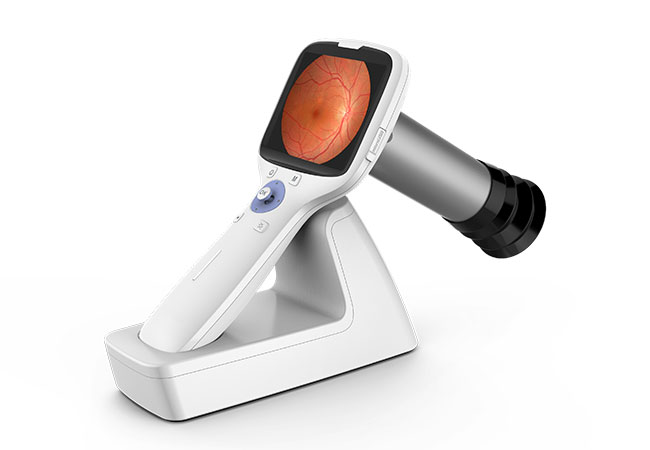
Public health data drives procurement in this region. Smart distributors read the disease burden before they pick a product line. We do the same when we advise partners on which Hongdee models to stock for Gulf and Egyptian buyers.
Diabetic retinopathy pushes fundus camera sales
Diabetes rates in Saudi Arabia and Egypt sit among the highest in the world. Screening programs need fundus cameras that work without pupil dilation, because clinics screen large queues of patients quickly. A non-mydriatic camera lets one technician handle that load. We ship more of these units to the Middle East than to any other region.
Cataract backlogs drive slit lamp and unit demand
Both countries run long cataract surgery wait lists. Hospitals keep expanding surgical capacity, and that expansion starts in the exam room. Every new surgeon needs a slit lamp, a refraction lane, and a tonometer before day one. Replacement demand matters too, because busy clinics wear out equipment in about seven years of daily use.
Myopia control opens a premium lane
Children’s myopia is rising across the Gulf. New specialty clinics now stock autorefractors and refraction units that support myopia control programs. Parents pay out of pocket for these services, so the clinics buy faster than public hospitals do.
| Product | Demand driver | Buyer profile |
|---|---|---|
| Fundus camera | Diabetes screening | Hospitals and campaigns |
| Slit lamp | Cataract backlogs | Clinics and surgery centers |
| Refraction unit | Myopia and eyeglass demand | Optical chains and clinics |
| Tonometer | Glaucoma monitoring | General eye clinics |
How do you find and vet local agents in the Middle East?
A weak local agent blocks every good product. The region runs on relationships, so the wrong partner means empty orders. A structured vetting process protects your entry.
Find agents at Arab Health and MEOS, then check their license scope, hospital relationships, and service engineers. Ask for one reference clinic visit, and always verify the commercial registration before you sign anything.
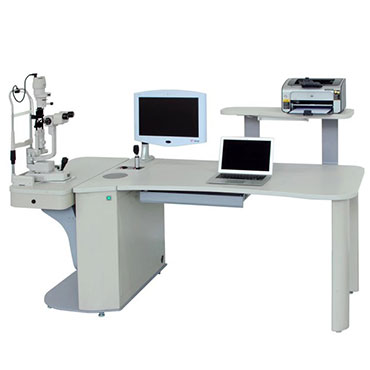
Good agents are rare in the Gulf, and the best ones already represent a major brand. That is not a dead end, because most of them carry complementary lines. A tonometer agent can add your slit lamp range without a conflict.
Where to meet serious agents
Arab Health in Dubai pulls in buyers from every Gulf state. The Middle East Ophthalmology Society meetings attract the surgeons who recommend brands. Chambers of commerce keep updated lists of licensed distributors. We meet our best partners at these places, never through cold email.
Vet in four steps
First, check the commercial license and confirm the listed activities cover medical devices. Second, ask for hospital reference visits and speak to the procurement manager. Third, confirm they employ at least one service engineer. Fourth, test response speed with a sample inquiry and see how long they take to answer.
| Vetting check | What to look for | Red flag |
|---|---|---|
| Trade license | Medical device activity listed | General trading only |
| Hospital access | Named reference clinics | Vague references |
| Service team | Resident engineer | Outsourced support |
| Response time | Under 48 hours | Weeks of silence |
What documentation do GCC countries require for device import?
Customs stops shipments when files are incomplete. Missing one certificate can freeze a container for a month. A complete file keeps your stock moving.
Plan for a commercial invoice, certificate of origin, ISO 13485 and CE certificates, Arabic labels, and a free sale certificate. Keep every document current, because Gulf regulators check validity dates with real care.

Documentation is not glamorous, but it decides who clears customs fast. We keep a master file for every Hongdee model so distributors can reuse the same paperwork for each new shipment.
The core import file
Start with the commercial invoice and packing list. Add the certificate of origin, because Gulf customs applies different tariff rates by origin. Include the manufacturer’s ISO 13485 certificate and the CE certificate for the device. Saudi Arabia also wants a free sale certificate from the country of origin.
Labeling and language rules
GCC rules require Arabic labeling on the device and its packaging. The label must carry the importer’s name and the device registration number. Many distributors print bilingual labels once and reorder them in bulk, which saves real money over time.
Keep validity dates tracked
Certificates expire, and regulators reject expired files without mercy. We advise partners to log every expiry date in a simple calendar. Renew the establishment license 90 days before it lapses, because renewal always takes longer than anyone expects.
| Document | Issued by | Common problem |
|---|---|---|
| Commercial invoice | Exporter | Wrong HS code |
| Certificate of origin | Origin chamber | Expired stamps |
| ISO 13485 | Notified body | Lapsed audit |
| CE certificate | Notified body | Wrong device scope |
| Free sale certificate | Origin authority | Old dates |
| Arabic label | Manufacturer | Missing importer name |
Conclusion
Enter with a licensed agent, sell what the disease data demands, and keep your documents clean. SFDA approval opens the region. We help partners build this entry every year.