


How Do You Qualify and Onboard a Sub-Dealer or Sales Agent Under Your Distributorship?

Growing fast feels great. But the wrong sub-dealer can burn your brand, drain your time, and lose clinic trust. Bad hires cost more than slow growth.
To qualify and onboard a sub-dealer, I score each candidate on finances, market reach, and service skill. Then we at Hongdee give clear training, tools, and targets. Good vetting plus good onboarding builds a channel that sells for years.
Here is the full process I use, from first contact to first sale, with a scorecard you can reuse.
Why Should You Expand Through Sub-Dealers at All?
You cannot cover a whole country alone. A distributor in South Africa or Brazil has vast ground. Trying to reach every clinic solo stalls your growth.
Sub-dealers extend your reach into regions and relationships you cannot touch directly. They bring local trust and local language. Done right, they multiply sales without multiplying your fixed costs.
Reach you cannot build alone
A good sub-dealer already knows the clinics in their city. They have eaten lunch with those buyers for years. That trust takes you a decade to build from scratch. Buying it through a partner is faster and cheaper.
Shared risk, shared reward
A sub-dealer invests their own time and money. They carry some stock, run their own visits, and earn on results. This spreads your risk. You grow sales without hiring a huge direct team.
The danger of the wrong partner
But a weak or dishonest sub-dealer damages your name fast. One bad service experience spreads across a region. This is why qualification comes before onboarding, every single time.
How Do You Qualify a Sub-Dealer Before You Sign?
Eagerness is not enough. Many candidates talk big and deliver little. You need facts, not promises, before you commit.
I qualify sub-dealers with a scorecard covering finances, market access, technical skill, and reputation. I verify claims, not just accept them. A low score means no deal, however charming the pitch.

Check the money first
Can they pay for stock and survive slow months? Ask for basic financials. A partner who cannot fund their own inventory becomes your cash problem later. I confirm this before anything else.
Measure market access
Who do they already sell to? A candidate selling clinic supplies in Southeast Asia has warm doors. One starting fresh has none. Real relationships beat big promises every time.
My sub-dealer scorecard
I rate each candidate from 1 to 5 on these factors, then total the score.
| Criteria | Weight | Score 1–5 | What I Look For |
|---|---|---|---|
| Financial stability | High | Can fund stock, survives slow months | |
| Market relationships | High | Existing clinic and hospital contacts | |
| Technical service skill | Medium | Can install and support devices | |
| Reputation and ethics | High | Clean history, honest references | |
| Sales track record | Medium | Proven results in medical sales | |
| Commitment and focus | Medium | Treats this as core, not a side job |
A candidate scoring above 22 is strong. Between 16 and 21 needs a close look. Below 16, I walk away. This simple table has saved me from costly mistakes in Germany and the UAE. Numbers remove emotion from the decision.
How Do You Onboard a New Sub-Dealer for Fast Results?
Signing is not the finish line. A new partner left alone will flounder. Poor onboarding wastes your best picks.
Onboard with structured training, ready sales tools, and clear early targets. Teach the products, the pitch, and the service process. A partner who feels supported in week one sells confidently by month one.
Train on products and service
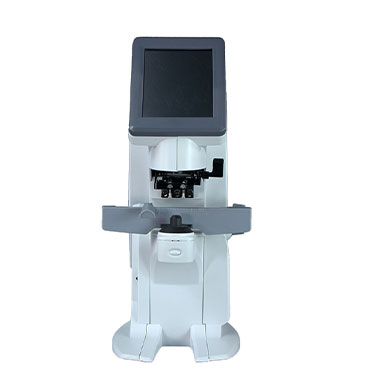
Your sub-dealer must know the gear cold. Run hands-on sessions on each device. Teach install, calibration, and basic repair. A partner who can demo an auto lensmeter well closes faster than one who reads from a sheet.
Give them ready tools
Hand over spec sheets, demo units, pricing guides, and quote templates. Do not make them build these alone. The faster they can respond to a clinic, the faster they sell. We at Hongdee supply partners with a full starter kit.
Set clear early targets
Agree on simple goals for the first ninety days. How many clinic visits? How many demos? Early targets create momentum and show you who is serious. Review results together and coach where needed.
How Do You Manage and Grow the Sub-Dealer Over Time?
Onboarding ends, but the relationship continues. A channel left unmanaged drifts and underperforms. Attention keeps partners sharp.
Manage sub-dealers with regular check-ins, fair incentives, and ongoing training. Protect their territory and reward growth. A partner who feels valued and protected stays loyal and keeps selling for years.

Protect their territory
Nothing kills a sub-dealer faster than selling into their patch yourself. Set clear boundaries and honor them. Trust, once broken here, rarely returns. I keep territory rules in writing.
Reward growth fairly
Tiered incentives work well. The more they sell, the better their margin. This motivates without you pushing. A partner in Australia hitting targets should feel the reward directly in their pocket.
Keep training alive
New products launch. Techniques improve. Refresh your partners often with short updates and demos. We at Hongdee treat training as ongoing, not a one-time event. A sharp partner outsells a stale one every time. Short, regular sessions beat one long annual seminar that everyone forgets within a week.
Review numbers together
Meet each quarter and look at the results honestly. Which products sell? Which clinics stalled? Numbers guide the next quarter’s plan. A partner who sees you care about their growth stays engaged and motivated for the long run.
Conclusion
Score sub-dealers before you sign, onboard them with real training and tools, then manage the relationship with fairness. Do this and your channel grows strong. We at Hongdee partner with you throughout.