



Buyers want evidence that a supplier is credible, but an unnamed “doctor approved” line can create more risk than trust.
Use social proof as verifiable procurement evidence, and use clinical endorsements only with real consent, disclosed relationships, substantiated claims, and jurisdiction-specific advertising review.
We recommend showing what was purchased, for whom, and what can be verified. Do not turn an equipment image into a clinical outcome claim.
Procurement teams need more than popularity. A large follower count does not prove service capacity, product suitability, or regulatory status.
The strongest B2B social proof is specific and checkable: documented product information, permitted customer feedback, transparent service scope, and evidence tied to the buyer’s decision.

Match proof to the decision
If the buyer asks whether a supplier can provide a complete equipment list, show a clear catalog and configuration process. If the buyer asks about delivery documentation, show a redacted example only when you have permission and can avoid exposing confidential data. If the buyer asks about training, describe the planned materials and sign-off process rather than claiming every customer had a successful result.
A short quote can be useful when it identifies the speaker’s role, the product or service discussed, the date or context, and the permission status. “A clinic loved our system” is weak because it cannot be checked and implies an undefined benefit. “A distributor described the clarity of our quotation process” is narrower, but still requires a genuine source and permission.
| Proof type | What it can support | What it cannot prove alone |
|---|---|---|
| Verified buyer quote | Experience with a stated process | Universal performance or clinical outcome |
| Installation photo | Product presence, with consent | Patient use or regulatory clearance |
| Service workflow | How support is organized | Guaranteed response time |
| Certification or document | A named document’s status | Every marketing claim |
| Clinical endorsement | A person’s stated professional view | Unsubstantiated superiority or outcomes |
Keep equipment claims bounded
We would separate product facts from user opinion. A device page may describe available functions, but an endorsement should not silently add “more accurate,” “safer,” or “better diagnosis” unless the claim is supported and allowed in the target market. Clinical decisions belong to qualified professionals. Social proof should help a buyer assess procurement risk, not replace technical evaluation.
Hongdee’s digital slit lamp information and service page can provide internal context. We recommend asking permission before using any customer name, logo, photograph, or quotation.
How should a distributor verify a clinical endorsement before publishing it?
A doctor’s title can make an advertisement persuasive, but it does not make an unsupported claim true. The process behind the endorsement matters.
Verify the endorser’s identity and relevant qualifications, preserve the original statement and consent, disclose material connections, and ensure every objective claim has evidence before publication.
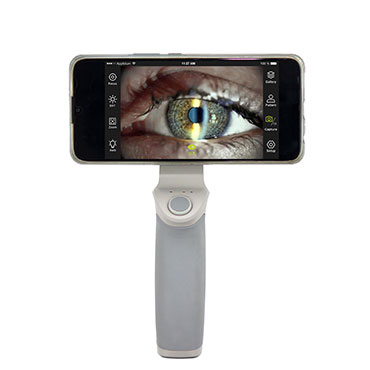
Build an endorsement file
Record the endorser’s name, professional role, jurisdiction, date, product or service reviewed, exact words approved, compensation or other benefit, consent, usage channels, and expiry or withdrawal terms. If the person received a device, discount, travel support, consulting payment, or other benefit, disclose the material connection in a clear place. A hidden disclosure in a separate page may not be enough for the audience or jurisdiction.
Do not edit a statement into a stronger meaning. If a clinician says a workflow was easy to learn, do not convert it into “improves clinical accuracy.” If the speaker expresses a preference, preserve that as an opinion. If a statement makes an objective comparison, obtain evidence for the comparison itself.
The U.S. Federal Trade Commission’s endorsements and reviews guidance says endorsers should disclose relationships to brands and warns against fake or manipulated reviews. That is a U.S.-specific compliance source. It is not a universal rule for every country, so local counsel and advertising authorities still matter.
Use professional credentials carefully
A qualification should be current and relevant to the statement. “Ophthalmologist” does not automatically establish expertise in procurement, imaging, maintenance, or every clinical claim. If a professional is speaking about a technical workflow, explain the basis of that experience without inventing patient results or practice details.
| File item | Practical control |
|---|---|
| Identity and qualification | Verify through an appropriate professional source |
| Consent | Specify channels, duration, and edits permitted |
| Material connection | Disclose payment, loan, gift, or other benefit |
| Claim evidence | Link each objective claim to substantiation |
| Withdrawal | Stop use when permission ends or is withdrawn |
Advertising rules are jurisdictional. A campaign copied from one country can be unacceptable in another, especially when it implies diagnosis, treatment, safety, or clinical superiority.
In the United States, apply FTC truthfulness and disclosure principles; in the UK, review the CAP Code’s medical-device rules and substantiate objective claims before using professional language.
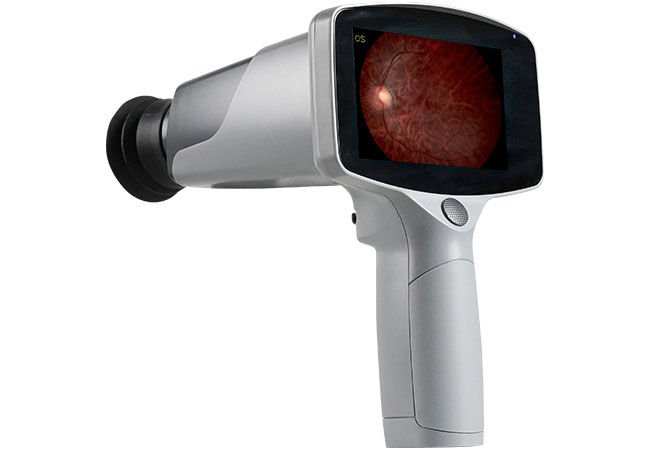
U.S. review: disclose and substantiate
For a U.S.-facing campaign, the FTC source above is the appropriate starting point for endorsements, reviews, material connections, and fake-review risks. A paid clinician should not appear independent. A customer review should reflect a real customer’s experience. The advertiser remains responsible for the overall impression, not only the literal words.
If an endorsement communicates an objective medical-device claim, the advertiser should have support for that claim before publication. We would ask: What exactly is being promised? What population or setting does it cover? What evidence supports it? Does the visual imply a patient outcome that the words avoid? If the answer is unclear, narrow the wording or remove it.
UK review: CAP Code and medical devices
The UK CAP Code section 12 states that objective claims must be backed by evidence and includes rules for medicines, medical devices, and health-related products. It also explains that suitably qualified health professionals should have relevant credentials and professional safeguards when their role involves treatment or advice. The Code is a UK advertising source, not a global template.
For equipment marketing, keep claims within the product’s permitted intended purpose and applicable conformity position. Do not imply that an endorsement itself establishes conformity, safety, or efficacy. Ask local compliance reviewers to assess the final ad, landing page, video, disclosure, and targeting.
Buyers still need a reason to continue the conversation when no approved clinical endorsement exists. The answer is not to invent one or use a vague authority signal.
Replace missing testimonials with transparent evidence assets: buyer questions, document checklists, product demonstrations, service boundaries, and clearly labeled company information.
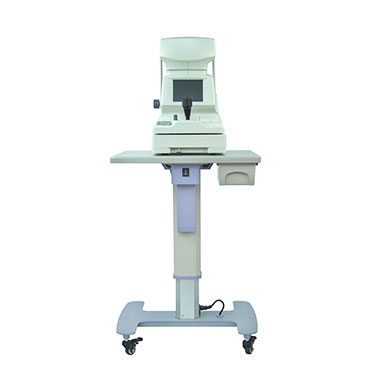
Build an evidence ladder
Start with facts the buyer can verify: product configuration, operating requirements, available documentation, packaging details, service process, and quotation assumptions. Add a permitted buyer quote only when it contributes a specific, bounded observation. Add a professional endorsement only after qualification, consent, disclosure, substantiation, and jurisdiction review.
This ladder prevents a weak claim from carrying the weight of a strong one. A product photo is an illustration, not proof of clearance. A company logo is not proof of an installation. A clinician’s preference is not a controlled comparison. Label each asset accurately.
Make the call to action useful
Invite the buyer to request the exact model datasheet, declaration or regulatory documents where applicable, service scope, and a quotation. Hongdee’s ophthalmic motorized table page and contact page can support that next step without claiming a patient result.
We recommend a final pre-publication review by sales, technical staff, and the relevant jurisdiction’s compliance adviser. Keep a versioned copy of the ad and its evidence. When a claim changes, repeat the review. This costs less than defending a made-up testimonial or an implied medical promise.
Sources and scope
Official sources checked 2026-10-12: U.S. FTC endorsement and review guidance, used only for U.S.-specific disclosure and authenticity principles; UK ASA/CAP Code section 12, used only for UK medical-device advertising and substantiation rules. No doctor testimonials, customer stories, or clinical outcomes are invented here.
Conclusion
Use social proof that buyers can verify. Disclose relationships, substantiate objective claims, and review each jurisdiction. Contact Hongdee for evidence-led equipment discussions.