



You win a clinic’s first order. Then the tonometer probe runs out, and the clinic calls someone else. That is how accounts die — not on price, but on downtime. I will tell you exactly which parts to stock so your customers never wait on you.
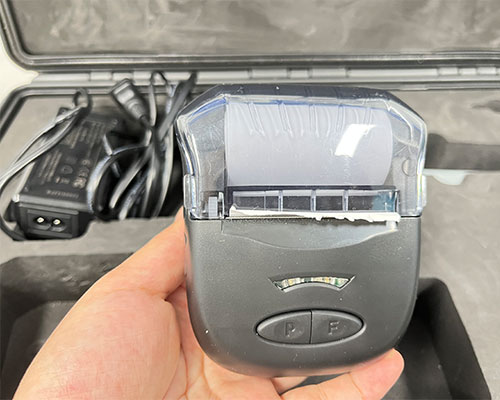
Stock the fast-movers first: tonometer disposable probes, chin rest paper, slit lamp bulbs and LED modules, fuses, printer paper, dust covers, applanation prisms, and trial lens replacements. These eight lines cover most service calls, and they turn your distribution business from a seller into a partner.
Every clinic runs out of something, and how fast you respond decides whether they reorder from you. Let me show you what we at Hongdee have learned from serving 300+ clients across the USA, Thailand, Singapore, Italy, and Algeria, and how you can build a parts stock that actually protects your revenue.
Why Does Parts Availability Decide Repeat Orders?
The clinic’s tonometer stops printing. The doctor is not angry about the printer — she is angry about the queue of patients. Every hour the machine sits idle costs her money and reputation. Your price was never the issue. Your response time is.
A 48-hour parts promise is a stronger differentiator than a 5% discount. When a clinic knows you can deliver a probe, a bulb, or a fuse within two days, they stop shopping around. Downtime is expensive for them, so speed becomes the reason they stay with you.
Think about your own business for a second. You are a distributor in Southeast Asia, and one of your clinics has a broken slit lamp bulb. You can order from the manufacturer and wait two weeks, or you can walk to a local parts shelf and hand it over today. Which distributor do you think gets the next order for a new instrument?
At Hongdee we see this pattern in every market we ship to. Distributors who stock parts grow. Distributors who do not, lose the after-sales battle quietly. The instrument is a one-time sale. The parts are a monthly relationship. And a distributor with a parts shelf is the one clinics call first when they upgrade to a new machine.
What the stock does for your numbers
- It converts one-off buyers into repeat customers.
- It gives you a reason to contact clinics monthly, not yearly.
- It protects your margin — parts carry higher margins than machines.
- It makes you the obvious local partner when the manufacturer needs a service point.
One illustrative assumption to frame your thinking: if a clinic buys parts from you every two months, that is six touchpoints a year, versus one for the original machine sale. Six touchpoints beat one, every time.
Which Consumables Move Fastest by Product Line?
Not all parts are equal. Some fly off the shelf weekly, and some sit there for years. If you stock the wrong mix, you tie up cash in dust. If you stock the right mix, your shelf pays for itself in the first quarter.
The fastest movers are the disposable and wear items: tonometer disposable probes, chin rest paper, printer paper for tonometers, and slit lamp bulbs. These are consumed or replaced on a schedule, so demand is predictable. Fuses and dust covers are cheap, small, and worth having even though they sell slower.
Let me break it down by product line, based on what our customers actually reorder.
Consumables by product line
| Product line | Fast movers | Slow movers (stock thin) |
|---|---|---|
| Tonometer | Disposable probes, printer paper, batteries | Main circuit boards |
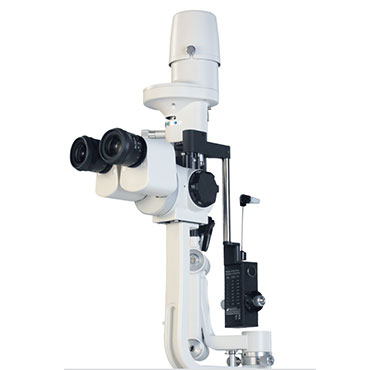
| Slit lamp | Bulbs, LED modules, fuses | Objective lenses |
| Fundus camera | Dust covers, printer paper | Imaging sensors |
| Trial lens set | Trial lens replacements, dust covers | Full lens sets |
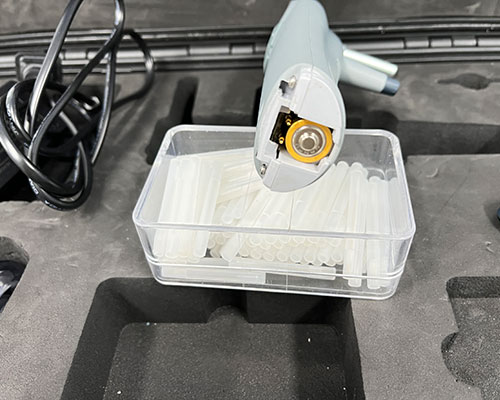
The tonometer line is the standout. Disposable probes are used constantly, and clinics reorder them like printer cartridges. A rebound tonometer uses a fresh probe for each patient in many protocols, so a busy clinic can go through a box in weeks. That is why the probe is the single best part for you to stock.
The batteries matter too. A clinic in Africa once told me their tonometer sat idle for a week waiting for a battery from overseas. That week cost them patients. We now make sure every tonometer shipment includes spare batteries, because the machine is only as useful as its power supply.
What Failure Points Are Most Common in the First Two Years?
New machines fail in predictable ways. If you know the pattern, you can stock for it and look like a hero instead of a bystander. The failures are rarely the expensive ones — they are the small, annoying ones.
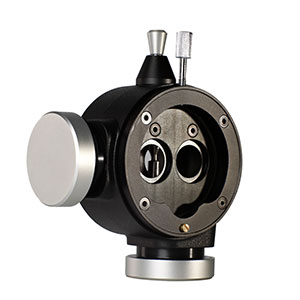
In the first two years, the most common failures are bulbs and LED modules burning out, fuses blowing after power surges, tonometer probes and batteries running low, and minor mechanical wear on the chin rest and stage. Big components like optics and sensors rarely fail in warranty. So stock the cheap stuff and you cover 80% of the calls.
Here is why this pattern holds. Power quality is the enemy of ophthalmic equipment in many markets. Clinics in the Middle East and Southeast Asia often run on unstable mains, and surges kill fuses and LED drivers long before they touch the optics. Bulbs have a natural lifespan, and a busy clinic will use a slit lamp for hours every day.
The mechanical parts wear from use, not from age. The chin rest moves up and down hundreds of times a day, and the paper that covers it is a consumable by design. The stage glides back and forth, and its smoothness is what users notice first when it starts to degrade.
The predictable pattern
- Months 1-6: probe and battery reorders, paper refills.
- Months 6-18: first bulb or LED module failures in busy clinics.
- Months 12-24: fuses after surge events, minor stage wear.
Stock for this pattern and you will rarely be caught empty. And when a part does fail, the fix is a swap, not a repair. That is fast, and fast is what keeps clinics happy.
How Much Inventory Value Should You Tie Up?
Parts stock is cash sitting on a shelf. Tie up too little and you lose orders. Tie up too much and your money is frozen in boxes. Both mistakes hurt, but they hurt differently, and the balance is easier to find than you think.
A sensible starting point is roughly 5-10% of your annual parts revenue in stock value, weighted heavily toward the fast movers. As an illustrative assumption for a small distributor, that might mean $2,000-$5,000 of shelf stock covering probes, bulbs, fuses, paper, and small consumables. Start small, measure what sells, then grow.
Do not try to stock everything. The smart move is to stock the top eight lines deeply and leave the rest on backorder. A clinic can wait two weeks for a rare optical part if you tell them the truth up front. They cannot wait two days for a probe they use every single patient.
What to stock first
| Priority | Parts | Reason |
|---|---|---|
| 1 | Tonometer probes, batteries, printer paper | Predictable, constant demand |
| 2 | Slit lamp bulbs, LED modules, fuses | Surge and lifespan failures |
| 3 | Chin rest paper, dust covers | Cheap, easy, builds goodwill |
| 4 | Applanation prisms, trial lens replacements | Slower, but high margin |
One more tip: rotate your stock. Probes and bulbs have shelf lives in the sense that newer stock sells better and old packaging looks tired. Sell the oldest first, and reorder in small batches until you see the real demand pattern in your own market.
What Should Your Supply Agreement Guarantee on Parts?
You can stock perfectly and still fail if your supplier lets you down. A parts promise is only as good as the agreement behind it. Before you sign with any manufacturer, check what they actually guarantee.
Your supply agreement should guarantee: a defined parts delivery time (we quote express 7-10 days, air 7-14 days), 12-month warranty with free replacement within warranty, a 10-day unconditional return window, clear payment terms (we use 98% advance, 2% on receipt), and a written commitment on spare parts availability. If a supplier cannot put those in writing, keep looking.
Here is what the guarantee means in daily life. A clinic calls you about a dead bulb. You check your shelf — out of stock. Your agreement says the manufacturer ships parts by air in 7-14 days, and by express in 7-10 days. You tell the clinic the truth, give them a date, and they accept it because you gave them a date. Certainty beats silence in every market we serve.
At Hongdee we also offer a 2-3% discount if shipping is delayed beyond the agreed window, because we would rather pay a small penalty than lose your trust. That clause exists for one reason: parts delays are the number one complaint we hear from clinics about other suppliers, and we decided to be different.
Before you sign, confirm these in writing
- Parts availability commitment for the models you sell.
- Delivery windows by mode: express, air, and sea.
- Warranty terms: 12 months, free replacement within warranty.
- Return terms: 10-day unconditional return.
- Payment terms: advance percentage and balance terms.
- A penalty or discount if shipping is late.
Get these six points in the contract, stock the eight fast-movers, and your parts business becomes a moat that competitors find very hard to cross.
Conclusion
Downtime loses accounts, not price. Stock the eight fast-movers, weight your inventory toward consumables, guarantee a 48-hour response, and lock parts terms in writing with your supplier. Then your clinics never wait, and they never leave.