


How Do You Sell Ophthalmic Equipment in Sub-Saharan Africa?
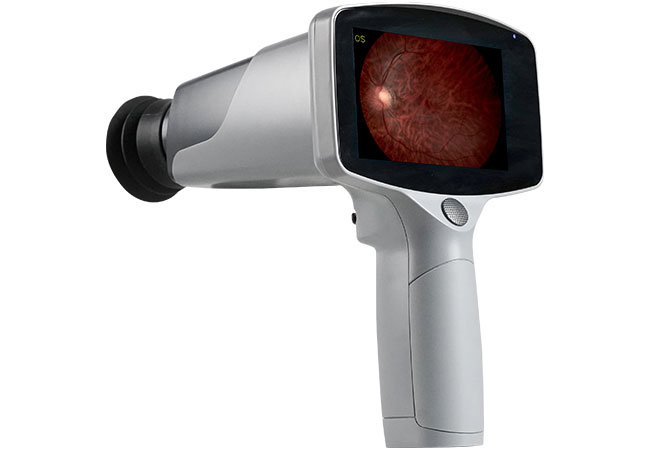
Africa carries one of the heaviest burdens of avoidable blindness. Equipment that is too costly or too fragile never reaches patients. We have found a sales route that works.
You sell in Sub-Saharan Africa by choosing portable, easy-to-service products, targeting the fastest-growing markets, and partnering with WHO and NGO-funded programs. Those programs fund most of the region’s equipment purchases.
This guide covers the four questions our African distributors ask most. The answers come from real shipments we have made across the continent.
What are the biggest challenges of distributing medical devices in Africa?
Power cuts, dust, weak roads, and scattered clinics break standard equipment. Distributors who ignore these realities lose money fast. Planning for them wins.
Unreliable power and a shortage of service engineers top the list. Devices must survive voltage swings and long repair journeys. That is why rugged, portable designs outsell heavy mains-only machines.

Africa is not one market, and pretending it is causes most failures. A device that works in Nairobi’s grid may die in a rural Nigerian clinic within a week. We design and select products with those conditions in mind.
Power instability is the silent killer
Many clinics run on generators that switch on and off through the day. Voltage spikes fry sensitive circuit boards. Slit lamps and fundus cameras with stabilized power supplies survive this abuse, while budget units do not. We tell distributors to check the input voltage range before ordering, because 110 to 240 volt tolerant devices are the safe buy.
Service reach decides repeat orders
A repair journey of 1,000 kilometers is normal here. If the device needs a factory technician for every fault, the clinic waits months. Modular designs matter, because a local engineer can swap a broken part and ship the old one back for repair.
Payment and currency risk
Public tenders pay slowly, and currency swings eat margins. Distributors who mix tender business with private clinic sales keep cash flowing. Private clinics pay faster, and they buy the same portable devices that public programs use.
| Challenge | Impact | Workable answer |
|---|---|---|
| Power instability | Device failures | Wide-voltage, surge-protected units |
| Long repair distances | Long downtime | Modular parts and local engineers |
| Currency swings | Shrinking margins | Mix tenders with private sales |
| Scattered clinics | High logistics cost | Portable devices by courier |
Which African markets have the fastest-growing eye care demand?
Growth is uneven across 48 countries, and that is good news. A few markets are ready to buy now. Others will wait a decade.
Nigeria, Kenya, Ghana, Ethiopia, and Tanzania lead in eye care demand growth. Their cataract backlogs and expanding private clinics create real orders today, not in the distant future.
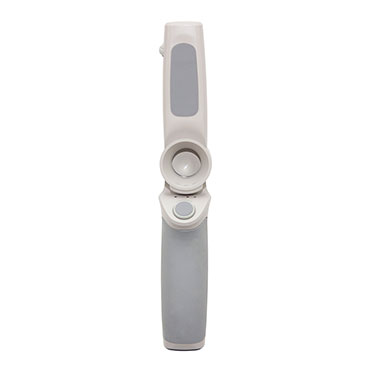
Eye care need exists everywhere in Africa, but buying power does not. Distributors should put their first container where demand and funding meet. The five markets above offer that combination right now.
Nigeria and Ghana: scale plus private capital
Nigeria has over 200 million people and a severe shortage of ophthalmologists. Private eye clinics are multiplying in Lagos and Accra, and they buy complete lanes. Ghana runs strong national eye programs that tender for slit lamps and tonometers in batches.
Kenya: the regional hub
Nairobi works as the logistics and training hub for East Africa. Equipment landed in Kenya moves on to Uganda, Rwanda, and Tanzania. Many distributors register in Kenya and serve the whole region from one warehouse.
Ethiopia and Tanzania: donor-led volume
Both countries have huge cataract backlogs and active NGO partnerships. Orders come through funded programs, so the buyer is often an international NGO rather than a local clinic. Margins are thinner, but volumes are real.
| Market | Demand driver | Entry route |
|---|---|---|
| Nigeria | Private clinic boom | Direct distribution |
| Ghana | National eye programs | Public tenders |
| Kenya | Regional hub role | Warehouse and re-export |
| Ethiopia | NGO programs | Funded tenders |
| Tanzania | Donor campaigns | Funded tenders |
How do you handle logistics and after-sales service across African markets?
A device that takes six months to repair destroys your reputation. Logistics and service decide repeat orders more than price does.
Stock spare parts locally, train partner engineers, and favor portable diagnostics that ship by courier. After-sales service built on modular parts keeps clinics running between your visits.
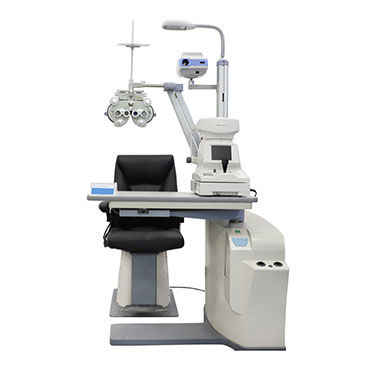
The best price in the world means nothing if the clinic cannot get a repair. African buyers remember who supported them, and they order again from the same supplier. Support is the whole game.
Choose the right freight mix
Sea freight keeps cost per unit low, but it takes six to ten weeks. Air freight works for urgent clinic orders and for portable devices that fit in courier boxes. Smart distributors plan container orders twice a year and use air for restocking fast movers.
Build local spare part hubs
Keep fast-wear parts in the distributor’s warehouse, not at the factory. Eyepieces, bulbs, and filters fail most often. A small local stock of these parts fixes 80 percent of breakdowns without touching the main unit.
Train service engineers early
Every distributor agreement we sign in Africa includes engineer training. We train on installation, cleaning, and part replacement. Trained engineers turn a one-week repair into a one-day fix, and that reputation sells the next order.
| Route or model | Best use | Cost level |
|---|---|---|
| Sea freight | Large stock orders | Low per unit |
| Air freight | Urgent restocks | High per unit |
| Local spare hub | Common breakdowns | Medium |
| Remote training | Routine service | Low |
What funding programs support eye care infrastructure in Africa?
Most African public clinics cannot self-fund equipment. International programs close that gap. Suppliers who know the funders get the orders.
WHO, the Fred Hollows Foundation, Sightsavers, and national health plans fund equipment procurement. Bid through approved distributors, and align your products with program device lists.
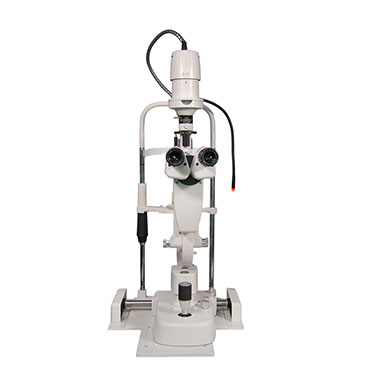
Funded programs buy in volume, and they buy predictable device types. Learn their device lists and you can predict next year’s orders. We see this clearly in the cataract programs that order the same slit lamp models year after year.
WHO and the global vision targets
The World Health Organization tracks avoidable blindness as a public health priority. WHO-aligned national plans push governments to spend on eye care infrastructure. When a national plan is active, tenders for diagnostic equipment follow within one or two years.
The big eye care NGOs
Sightsavers, the Fred Hollows Foundation, and Orbis run large programs across Africa. They procure through country offices and approved local distributors. Their device lists favor portable and durable equipment, because their programs work in remote districts.
National insurance and government budgets
A growing number of African countries include eye surgery in national health coverage. That change converts untreated patients into paying procedures, and procedures need equipment. Governments then fund clinic upgrades through ministry budgets and development bank loans.
| Program type | Example | How to engage |
|---|---|---|
| Global body | WHO | Track national plans |
| NGO | Sightsavers, Orbis | Register as approved supplier |
| National scheme | NHIS-style funds | Bid in tenders |
| Development bank | World Bank loans | Watch infrastructure pipelines |
Conclusion
Sell portable and rugged products, target the growing markets, and build local service hubs. Connect with funded programs and the orders follow. We support African partners at every step.