


How Do You Manage Disposable Probes and Consumables for Tonometers in Your Clinic?
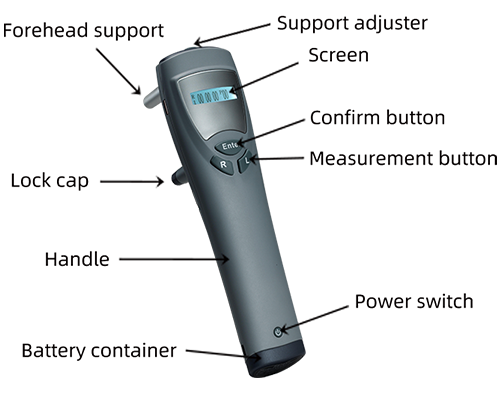
Running out of probes stops IOP checks cold. Stockouts and cross-contamination worry every clinic. Poor tracking wastes money and risks patient safety.
At Hongdee, we manage tonometer consumables with par-level stock, single-use probe discipline, lot tracking, and a reorder trigger. This keeps intraocular pressure checks safe, uninterrupted, and cost-controlled across busy clinic days.
Let me show you the system we recommend to our clinic partners.
Which Tonometer Types Use Consumables, and How Do They Differ?
Not all tonometers use the same supplies. Buyers often confuse them. The probe or tip model changes your whole consumable plan.
Rebound tonometers use single-use probes. Applanation tonometers use reusable tips plus disposable covers or fluorescein. Non-contact tonometers use little to no contact consumables. Each type sets a different ongoing cost and infection-control routine.

Here is how I compare the main types for clinics in Germany, the UAE, and Southeast Asia.
Rebound Tonometers
They use a fresh single-use probe per patient. No drops needed. This is simple and clean but adds a per-test cost.
Applanation Tonometers
They touch the cornea with a reusable prism. You need disinfection or disposable tip covers plus anaesthetic and fluorescein drops.
Non-Contact Tonometers
They use an air puff. Contact consumables are minimal, which suits high-volume screening.
| Tonometer Type | Key Consumable | Per-Test Contact Cost | Infection Control |
|---|---|---|---|
| Rebound | Single-use probe | Moderate | Very simple |
| Applanation | Tip cover, drops | Low to moderate | Needs disinfection |
| Non-contact | Minimal | Very low | Low risk |
| Handheld | Probe or cover | Varies | Model dependent |
Choose the type that fits your patient flow and budget.
How Do You Set Stock Levels and Reorder Points?
Guessing stock fails. You either hoard or run dry. A simple formula fixes both problems.
I set a par level from average daily use times lead time, plus a safety buffer. When stock hits the reorder point, you order. This prevents stockouts without tying up cash in excess probes.
Let me make the math practical for a real clinic.
The Par-Level Formula
Par level = (average daily tests × supplier lead time in days) + safety stock. If you run 40 tests a day, lead time is 10 days, and you keep 100 as buffer, your par is 500 probes.
The Reorder Trigger
Reorder point = daily use × lead time. Using the numbers above, reorder at 400 probes. This gives time for delivery before you hit zero.
| Input | Example Value |
|---|---|
| Average daily tests | 40 |
| Lead time (days) | 10 |
| Safety stock | 100 |
| Reorder point | 400 |
| Par level | 500 |
Review these numbers each quarter. Demand shifts with seasons and clinic growth.
Why Does Single-Use Discipline Matter for Infection Control?
Reusing single-use probes is tempting but wrong. It risks cross-infection. It also voids device accuracy and warranty.
Single-use probes are made for one patient only. Reusing them can transfer infection and skew readings. I train staff to open a fresh probe per eye and discard it at once, every time.

Infection control is not optional. It protects patients and your clinic’s name.
Follow the Manufacturer and Regulators
We at Hongdee label probes as single-use because that matches FDA, CE, TGA, and ANVISA expectations. Always follow your device manual and local health rules. This is patient-safety guidance, not a substitute for your infection-control policy.
Build a Simple Routine
Store probes sealed and dry. Check expiry dates. Open at the chair, use once, drop in a sharps or waste bin. Log any device that contacts a patient without a fresh probe as an incident.
Train and Audit
Short refreshers and spot checks keep habits strong. In Brazil and South Africa, our partners run monthly audits to confirm compliance.
Discipline here prevents harm and keeps readings trustworthy.
How Do You Control Consumable Cost Without Cutting Corners?
Consumables add up over a year. Clinics feel the squeeze. But cheap shortcuts can harm patients and devices.
I control cost with accurate forecasting, bulk ordering at honest prices, lot tracking to cut waste, and the right tonometer mix. I never cut cost by reusing single-use items or skipping disinfection.
Let me show where real savings live.
Forecast and Buy Smart
Order to your par level, not to fear. Bulk buys lower unit price, but watch expiry dates so nothing is wasted.
Track Lots and Expiry
First-in, first-out use stops expired stock. Record lot numbers so you can act fast on any recall.
| Cost Lever | Good Practice | Risk If Ignored |
|---|---|---|
| Forecasting | Par-level reorder | Stockouts or waste |
| Bulk buying | Volume discounts | Higher unit cost |
| FIFO rotation | Use oldest first | Expired probes |
| Device mix | Match to volume | Overpaying per test |
Real savings come from flow and accuracy, never from unsafe reuse.
What Support and After-Sales Should You Expect from a Supplier?
A good device is only half the deal. Supply must be steady. You need reliable probe stock, warranty, and fast help.
From us at Hongdee you get genuine single-use probes, steady lead times, lot documentation, calibration support, and warranty. We help you set reorder plans so your clinic never pauses intraocular pressure testing.
I view consumable supply as a long partnership.
Reliable Supply Chain
We keep probes in stock and ship on schedule, so your reorder point actually works. For clinics in the UAE and Southeast Asia, we plan buffers around customs and shipping time.
Documentation and Calibration
We provide CE and FDA paperwork and support ANVISA, TGA, and PMDA needs. We also guide periodic calibration so your readings stay accurate.
Warranty and Training
We back devices with warranty and give staff quick training on probe handling and storage. Good after-sales keeps your IOP service running all year.
Conclusion
Treat consumables as a system: match the tonometer type, set par levels, keep single-use discipline, and partner with a supplier like us who guarantees genuine probes, documentation, and steady supply.