

Your veterinary practice sees red eyes, cloudy corneas, and glaucoma suspects every week. But most vets have no working tonometer or slit lamp in the building.
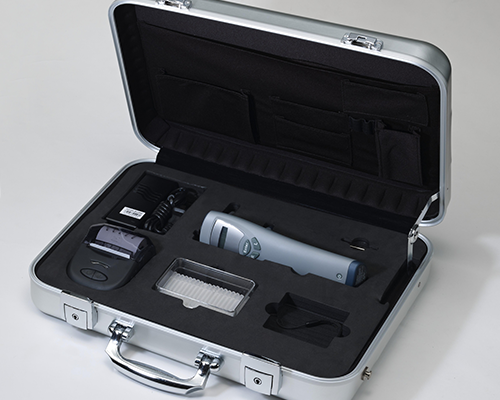
Start with a rebound tonometer and a portable slit lamp. These two tools cover the most common presentations, work on uncooperative patients, and fit a mobile or restrained setting. Add a lens kit and camera as budget allows.
So which comes first, and why? In this article I’ll cover how animal exams differ from human practice, which tonometry method suits uncooperative patients, why portable slit lamps fit veterinary settings, which species calibration issues to expect, and how to build a vet ophthalmic kit on a staged budget.
How Does Animal Ocular Examination Differ from Human Practice?
Animals do not sit still, do not read the chart, and do not tell you what hurts. Every exam step must be adapted for that reality.
Animal exams need restraint, fast capture, and equipment that works at awkward angles. A frightened dog or cat gives you seconds, not minutes, so tools must be quick, robust, and easy to position.
Short Windows, Big Differences
A human patient holds still on command. A dog holds still only while it tolerates the situation — and that window closes fast. Every measurement you take must happen inside that window, or the exam becomes a wrestling match. This changes the equipment you choose. Tools that need long setup, calm patients, or repeated attempts simply fail in veterinary practice.
The differences go beyond cooperation. Animal eyes sit at different heights and angles, so the examiner works crouched, stretched, or at a table. Equipment that assumes a seated human at a fixed chin rest is the wrong shape for a practice treating animals. Handheld tools win because they go where the patient is.
One Practice, Many Species
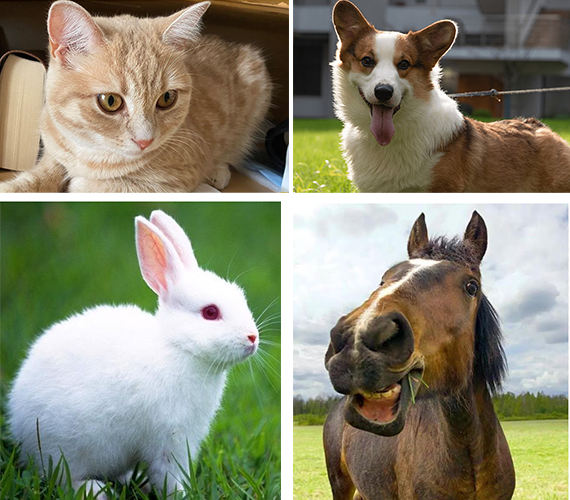
A small animal practice sees dogs, cats, and sometimes rabbits and horses. Each species has different eye size, different tear production, and different normal pressure ranges. The equipment must handle that range, and the team must know the species-specific settings. This is where many human-market suppliers fall short — they can sell you a tonometer, but they cannot tell you which species it was validated on.
| Exam factor | Human practice | Veterinary practice |
|---|---|---|
| Patient cooperation | High | Low, often none |
| Positioning | Seated at chin rest | Table, cage, or field |
| Species | One | Several, with different norms |
| Time per measurement | Minutes | Seconds, when tolerated |
| Equipment style | Fixed, full-size | Portable, handheld |
The Practical Takeaway
Buy equipment designed for the veterinary workflow, not adapted from the human clinic. Ask the supplier directly: which species is this validated for? How fast is a measurement? What happens when the patient moves? The answers decide whether the tool earns its place on your bench.
Which Tonometry Method Suits Uncooperative Patients?
Applanation tonometry needs a calm, still, anaesthetized patient. Most veterinary patients are none of those. Rebound tonometry changes the game.
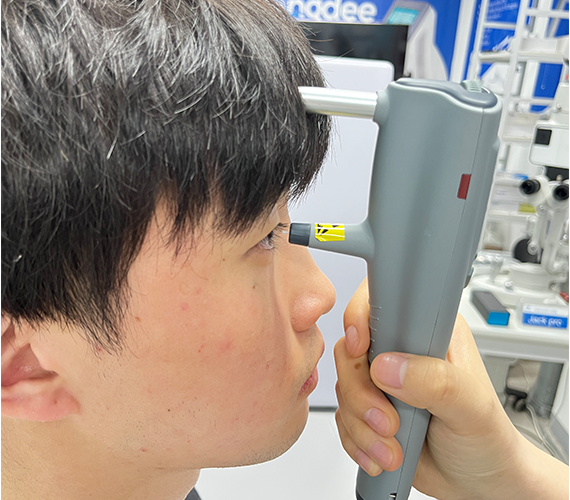
Rebound tonometry suits uncooperative patients because it is quick, needs no topical anaesthesia, and tolerates movement. Hongdee’s RT-100 measures from 3 to 70 mmHg in seconds with disposable probes.
Why Rebound Wins in the Exam Room
Applanation tonometry presses a flattened tip against the cornea and needs the eye to stay still — usually with anaesthetic drops and a steady head. On a nervous cat, that is a battle. Rebound tonometry works differently. A small probe taps the cornea lightly and bounces back, and the instrument reads the rebound speed. The contact is brief, the discomfort is minimal, and the patient does not need to be perfectly still.
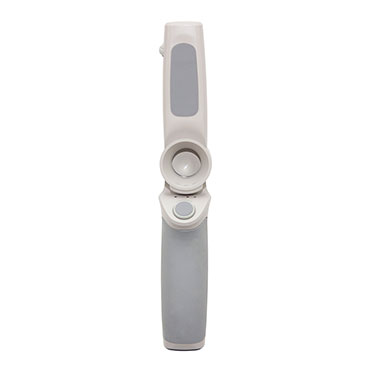
The RT-100 weighs about 200 grams and runs on two AA batteries. You can carry it to the exam table, the kennel, or the car for farm visits. No cords, no pumps, no wall of calibration equipment. For a practice that sees animals in many places, that portability is not a luxury — it is the difference between measuring and not measuring.
Probes and Consumables
Rebound tonometry uses disposable probes, one per eye. That is a recurring consumable, and it changes how you plan stock. A practice measuring several eyes a day goes through probes steadily, so the supply chain matters. Hongdee manufactures its own probes and supports distributors with consistent supply — a detail that matters when your nearest alternative is a long international shipment away.
| Factor | Rebound (RT-100) | Applanation |
|---|---|---|
| Anaesthesia | Not required | Usually required |
| Patient stillness | Minimal | Essential |
| Measurement time | Seconds | Longer |
| Portability | Handheld, battery | Benchtop |
| Consumables | Disposable probes | Tips, drops |
| Range | 3-70 mmHg | Similar, setup-dependent |
The Training Curve
The good news: rebound tonometry is easy to teach. A technician can learn the capture motion quickly, and the instrument does the rest. That means tonometry moves out of the specialist-only box and into routine exams — which is exactly where early glaucoma detection starts.
Why Is a Portable Slit Lamp Preferable in Veterinary Settings?
A full-size slit lamp belongs in a human clinic. In a vet practice, patients arrive on tables, in cages, or in your vehicle.
Portable slit lamps fit vet settings because they go where the patient is — exam table, kennel, or field visit. Hongdee’s PSL-100, PSL-150, and S150 offer 6x to 16x magnification in handheld form.

Magnification on the Move
A slit lamp magnifies the front of the eye so you can see corneal damage, lens changes, and eyelid problems that the naked eye misses. In human clinics, the lamp is bolted to a table. In veterinary practice, the patient is often on the floor, on a grooming table, or in the back of a vehicle. A handheld lamp puts magnification wherever the patient is.
Portable models also handle the restraint problem better. You can hold the lamp in one hand and steady the animal with the other, or pass it to an assistant while you examine. That flexibility is what makes the exam possible at all on an uncooperative patient.
Matching the Model to the Practice
Hongdee makes three portable models, so the choice follows your caseload. The PSL-100 offers 10x and 16x magnification — good for detailed work on smaller eyes. The PSL-150 offers 6.5x, which gives a wider view and is easier for quick checks. The S150 offers 6x for general use. A mixed practice often keeps one higher-power model for detailed exams and one lower-power model for speed.
| Model | Magnification | Best fit |
|---|---|---|
| PSL-100 | 10x / 16x | Detailed examination, small eyes |
| PSL-150 | 6.5x | Wider view, quick checks |
| S150 | 6x | General daily use |
Pairing with the Tonometer
The portable slit lamp and the rebound tonometer work as a pair. The lamp shows you what looks abnormal — a red eye, a cloudy cornea, a swollen iris. The tonometer tells you whether pressure is part of the picture. Together they cover the two questions behind most emergency eye cases: what changed, and is pressure involved? That is the core of a first-line vet ophthalmic kit.
What Species-Specific Calibration Issues Should You Expect?
A tonometer built for humans reads differently on a rabbit’s eye. Species calibration is not a luxury — it is the difference between a number you trust and one you ignore.
Expect species-specific calibration needs. The RT-100 is validated for dogs, cats, rabbits, and horses, with measurement modes matched to each. Ask any supplier which species their device actually supports.
One Device, Four Species
Corneal thickness and eye size differ between species, and those differences shift how a tonometer reads. A device calibrated only for human eyes gives you numbers that look precise but mean little on a cat. The RT-100 addresses this with measurement modes validated for dogs, cats, rabbits, and horses — the species a small animal or equine practice actually sees.
The practical effect is confidence. When the reading matches the species, you can act on it. When it does not, you are guessing — and in eye cases, guessing is how vision is lost.
What to Ask a Supplier
Most human-market suppliers cannot answer the species question at all, because they never validated their device on animals. That is the gap this niche exists to fill. Before buying, ask three questions. Which species is the device validated on? Are the modes selectable in the device, or fixed? And how do probe choices interact with species modes? A supplier who answers clearly is a partner; one who hesitates is a risk.
| Species | Why calibration matters | What to confirm |
|---|---|---|
| Dog | Common breed variations in eye size | Dog mode verified |
| Cat | Smaller eye, different cornea | Cat mode verified |
| Rabbit | Thinner cornea, nervous patient | Rabbit mode verified |
| Horse | Large eye, equine practice use | Horse mode verified |
The Consumables Question
Calibration is not the only species issue. Probe consumption also differs by species and caseload. A busy clinic measuring many eyes per day reorders probes every few weeks, so the supplier’s ability to deliver consistently matters as much as the device itself. Hongdee’s manufacturing capacity — about 5,000 pieces a month — keeps probe supply steady for distributors serving vet clinics.
How Do You Build a Vet Ophthalmic Kit on a Staged Budget?
You cannot buy everything at once, and you should not try. A staged kit lets each purchase prove its value before the next.
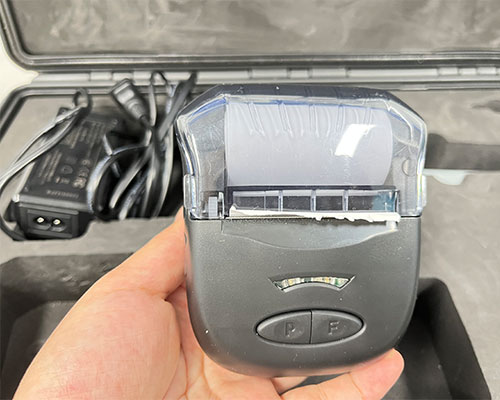
Stage one: rebound tonometer plus probes. Stage two: portable slit lamp. Stage three: imaging and training. Most practices start earning from stages one and two within months.
Three Stages, Three Decisions
Stage one is the rebound tonometer and a starter stock of disposable probes. This is the highest-value purchase because pressure measurement answers the question that decides urgency in most eye emergencies. Stage two adds the portable slit lamp, so you can see detail and pair structure with pressure. Stage three adds imaging and formal training — a camera adaptor, record templates, and staff certification. Each stage builds on the one before, and each can start earning on its own.
| Stage | Investment | What it unlocks |
|---|---|---|
| One | Rebound tonometer, probe stock | Pressure readings, emergency triage |
| Two | Portable slit lamp | Detailed exam, structure + pressure |
| Three | Imaging, training, records | Documentation, referrals, credibility |
Why Distributors Should Care
This is an underserved niche. Human-market suppliers rarely brief vet buyers on probe consumption rates and species calibration modes, so distributors who can explain both win the account. If you supply clinics, learn the three questions above and carry probe stock as a recurring line. The equipment sells once; the probes sell all year.
The Support Question
Staged plans only work when the supplier stays reliable across years. Hongdee has manufactured ophthalmic equipment for over 15 years, served 300+ clients, and once OEM’d for Topcon for three years — experience that shows up in build quality and after-sales support. A 12-month warranty, free replacement inside the warranty period, and a 10-day unconditional return window make the first order low-risk. For vet practices, that safety net matters more than a lower sticker price.
Conclusion
Start with a rebound tonometer and a portable slit lamp. They cover the most common presentations, suit uncooperative patients, and fit tight budgets. Add imaging as revenue grows, and train staff at every stage.