

How Do You Choose a Vision Screener for School and Community Eye Screening Programs?
Uncorrected vision hurts learning and daily life. Many programs lack time, staff, and gear. The wrong screener slows you down and misses cases.
At Hongdee, we recommend a portable binocular vision screener for school and community programs. It works fast, needs little training, screens both eyes at once, and flags refractive error early so you can refer children and adults for full eye exams.
Let me walk you through how we help teams pick the right tool, step by step.
What Is a Vision Screener and Why Does It Matter for Programs?
Mass screening must be quick and simple. Long exams do not scale. You need a device that non-specialists can use in schools, clinics, and vans.
A vision screener is a fast, mobile device that estimates refractive error and eye alignment. It does not replace a full exam. It flags people who need referral, so limited eye-care staff focus on real cases.
In Australia and South Africa, we see nurses and volunteers run large drives with few optometrists. A screener closes that gap. It gives a quick, repeatable result that supports triage. Here is how I frame the role of each tool.
Screener vs. Diagnostic Device
A screener sorts a crowd into “likely fine” and “please refer.” A diagnostic device, like a full autorefractor or slit lamp, confirms the problem later in a clinic.
Who Uses It
Teachers, community health workers, school nurses, and NGO volunteers. We design for people who are not eye doctors.
| Tool | Main Use | Operator | Setting |
|---|---|---|---|
| Vision screener | Fast triage | Volunteer/nurse | School, van, camp |
| Visual acuity chart | Basic acuity check | Teacher | Classroom |
| Autorefractor | Objective refraction | Trained staff | Clinic |
| Fundus camera | Retinal review | Clinician | Clinic |
A screener is the front door. The other tools come after referral.
What Specifications Should You Compare Before You Buy?
Specs decide speed and comfort. Buyers often skip them and regret it. Battery life, working distance, and age range all change your day in the field.
I tell buyers to compare working distance, binocular capture, age range, battery runtime, and data export. These five specs drive throughput, patient comfort, and how easily you report results to health authorities.
Let me explain why each spec matters in real programs. In Germany and the UAE, teams often screen hundreds per day, so small spec gaps add up fast.
Working Distance and Comfort
A one-meter working distance lets you screen shy children without crowding them. It keeps the line moving and reduces stress.
Binocular Capture and Speed
Devices that read both eyes at once cut your time per person. That matters when a school gives you only one morning.
Battery, Data, and Durability
Field work has no wall socket. Long battery runtime and quick data export keep you honest and fast. Rugged bodies survive vans and dust.
| Spec | Why It Matters | What I Suggest |
|---|---|---|
| Working distance | Comfort, flow | ~1 meter |
| Measurement | Speed | Binocular, both eyes |
| Age range | Coverage | Toddlers to adults |
| Battery | Field use | Full session on one charge |
| Data export | Reporting | USB or wireless |
Match specs to your real caseload, not to a brochure.
How Does a Screener Fit Different Use Cases?
One device cannot do everything. Programs differ a lot. School drives, rural camps, and clinic intake each ask for a slightly different setup.
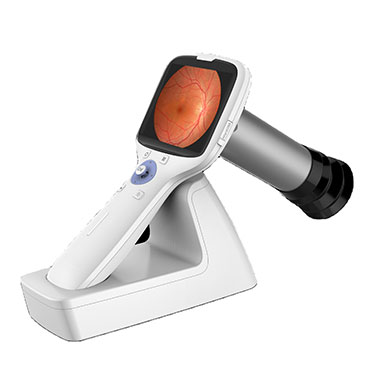
For schools I favor a handheld binocular screener. For rural camps I add a portable fundus camera for high-risk adults. For clinic intake I pair a screener with an autorefractor to speed the full exam.
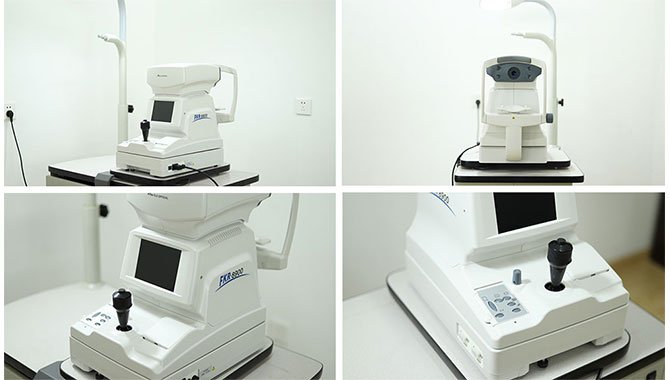
Here is how we at Hongdee match tools to each setting.
School Programs
Speed and child comfort win. Use a quick binocular screener. Record pass or refer. Send a simple note home to parents.
Community and Rural Camps
Adults may have cataract or retinal disease, not just refractive error. Add a portable fundus camera to catch more. In Southeast Asia and Brazil, this combination finds cases a basic chart would miss.
Clinic Intake and Follow-Up
When referrals arrive, a full autorefractor confirms the prescription. The screener did the sorting; the clinic does the diagnosis.
A layered toolkit respects both your budget and your patients.
How Do You Weigh Cost Against Program Value?
Price is only part of the story. Cheap tools can cost more later. Think about throughput, training, and the price of missed cases.
I ask buyers to look at cost per person screened, not sticker price. A faster, easier device screens more people, needs less training, and finds more true cases, which lowers your real cost per result.
Let me break the numbers down the way I do with partners.
Total Cost of Ownership
Add device price, consumables, training, and downtime. A rugged screener with no consumables often wins over a cheap unit that needs frequent service.
Value of Early Referral
Each correct referral can protect a child’s schooling or an adult’s job. That value is hard to price but very real.
| Cost Factor | Low-Cost Chart | Dedicated Screener |
|---|---|---|
| Upfront price | Very low | Moderate |
| Speed | Slow | Fast |
| Training needed | Some | Little |
| Cases found | Fewer | More |
| Cost per true case | Can be high | Usually lower |
Spend where it raises your detection rate. That is the honest metric.
What About Compliance, Support, and After-Sales?
Devices need backing. Programs run for years. You want warranty, parts, and clear regulatory paperwork before you commit.
At Hongdee we supply CE-marked devices and support FDA, TGA, ANVISA, and PMDA documentation where needed. We also give training, spare parts, and warranty, so your program keeps running long after delivery.
I treat after-sales as part of the product, not an extra.
Regulatory Fit
Different regions ask for different marks. CE for the EU, FDA clearance for the United States, TGA for Australia, ANVISA for Brazil, PMDA for Japan. We prepare documents to match your market. A screener is a triage tool, so always refer flagged people to a qualified eye-care professional for diagnosis.
Training and Warranty
We provide short operator guides and remote training. We stock parts and honor warranty terms. For NGO and government drives, this keeps uptime high across many sites.
Good support turns one purchase into years of screening.
Conclusion
Pick a fast, portable binocular screener your volunteers can run. Match specs to caseload, layer tools for camps and clinics, and choose a supplier like us who backs you with compliance, training, and warranty.