


How Do You Negotiate Warranty and After-Sales Terms with a Chinese Ophthalmic Equipment Supplier?

Service costs quietly eat clinic profits, and the warranty you sign decides how much. US practices pay about $65,000 a year on service contracts on average, so the after-sales terms matter as much as the machine. We at Hongdee write our own warranty terms, and we want buyers to negotiate them well.
You negotiate warranty and after-sales terms by locking down the warranty scope in writing, building a remote troubleshooting protocol, committing the supplier to spare part stocking, and pricing extended warranties against your five-year service budget.
This article explains what a fair warranty package contains and which clauses protect you. Use it as your checklist before you sign any equipment contract.
What should a standard warranty clause cover for ophthalmic devices?
Most warranty clauses look generous until a real failure happens. The scope of coverage decides who pays, so read the clause like an insurance policy.
A standard warranty should cover parts and labor for at least 12 months, include free replacement of defective units, state response times for repairs, and list exactly which consumables and misuse are excluded. Hongdee offers 12 months of warranty with free replacement inside the warranty period.

We see clinics compare prices for an hour and read the warranty for two minutes. That balance is wrong. A $500 price difference means nothing against a $4,000 repair bill in month eight.
The core coverage list
Confirm that the warranty covers parts and labor, not parts alone. Confirm the start date, which should be installation or arrival, not the factory invoice date. Confirm how defects are handled, because a replacement promise without a process is just words.
Free replacement terms
Some manufacturers, including us, replace defective units outright within the warranty period instead of repairing them. That policy matters for devices with sealed optics, where a field repair is not trustworthy. Ask your supplier which failures trigger replacement instead of repair, and get the answer in writing.
The exclusions to watch
Every warranty excludes something, and the exclusions are where disputes start. Consumables like bulbs and filters are normally excluded, and so is damage from power surges or improper use. Ask for the exclusion list before signing, because surprises after a failure are expensive.
| Warranty element | Fair term | Red flag |
|---|---|---|
| Coverage | Parts and labor | Parts only |
| Duration | 12 months plus | Under 6 months |
| Start date | At installation | At factory invoice |
| Defects | Free replacement | Repair only |
| Exclusions | Listed in writing | Vague wording |
How do you set up a remote troubleshooting protocol before a service call?
Most device faults never need a technician on site. A structured remote protocol fixes them in hours, and it stops small problems from becoming expensive service calls.
Set up a remote protocol with a single support contact, a video diagnosis session, and a decision tree that routes faults to fixes, parts, or a service visit. Log every call so recurring faults become visible.

Clinics that call a technician for every flicker pay for the truck roll, not the repair. We built our remote protocol because most issues we hear about are solved with a video call and a spare part.
One contact, one log
Demand a single support contact or a clear ticket system from your supplier. Every call goes into one log with the date, the fault, and the fix. After three months, that log shows which device fails and which part wears out, and that data drives your spare part orders.
The video diagnosis step
Most suppliers can walk your staff through a diagnosis on a video call. The camera shows the error code, the connection, and the physical state of the device. We solve a large share of support tickets this way, and the clinic saves the downtime of waiting for a visit.
The decision tree
Write the protocol as a simple tree. Does the device power on? If not, check the outlet and the fuse first. Does it show an error code? Send the code to the supplier before the call. Is a part broken? Order the spare and book the swap. This tree turns chaos into a ten-minute process.
| Fault type | Remote step | Outcome |
|---|---|---|
| No power | Check outlet and fuse | Fixed locally |
| Error code | Send code to supplier | Diagnosis in hours |
| Failed part | Order spare part | Local swap |
| Repeated fault | Escalate to engineer | Service visit |
What spare part stocking commitments should you lock into the contract?
Spare parts are the difference between a one-day repair and a one-month wait. The contract should commit the supplier to keeping parts available for years.
Lock in a written commitment that the supplier keeps spare parts available for at least five years after your purchase, and agree on a stock list for fast-wear items like bulbs, filters, and eyepieces. Hongdee guarantees five years of spare part supply.
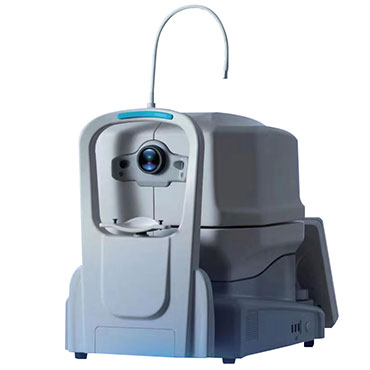
A device without spare parts is a paperweight, and medical devices outlive their first owner often enough that parts policy matters. The supplier who guarantees parts for five years protects your investment for its real working life.
The five-year commitment
Ask the supplier to commit in the contract that spare parts stay available for five years after delivery. This matters most for Chinese imports, because shipping a part from the factory takes time. A five-year guarantee means the part exists, and a local stock means it arrives fast.
The fast-wear stock list
Bulbs, filters, fuses, and eyepieces fail most often, so agree on a starter stock of these parts at purchase. Some suppliers include a spare kit with the device, and that kit alone covers most early failures. Ask for the kit list in the quote so you know what you own.
Response time for parts
Commit the supplier to a parts dispatch time in the contract, such as shipping within three working days of the order. Also confirm the shipping method, because express courier beats sea freight when a slit lamp is down. Clinics lose revenue daily during downtime, so parts speed is a real cost.
| Parts item | Commitment to seek | Why it matters |
|---|---|---|
| Availability | 5 years after purchase | Device working life |
| Starter kit | Included in quote | Covers early faults |
| Dispatch time | Within 3 working days | Limits downtime |
| Shipping | Express courier | Fast repair |
How do extended warranties affect your total equipment budget?
Extended warranties look like an extra cost, but they replace service contracts you would buy anyway. The comparison belongs in your five-year budget.
An extended warranty typically adds 5 to 15 percent to the purchase price, while a separate service contract runs higher over the same period. Price the extended warranty against your service budget, because US practices average $65,000 per year in service costs.
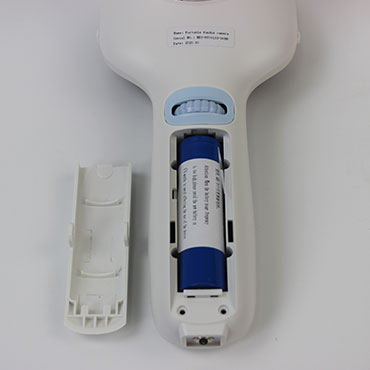
Every financed equipment deal we see includes a service line somewhere in the budget. The question is whether that money goes to the manufacturer’s extended warranty or to a third-party service contract. The math usually favors the warranty.
Compare like for like
Take the extended warranty price and divide it by the covered years. Compare that annual number to the quoted service contract rate. If the warranty costs $1,500 for two extra years and the service contract runs $1,200 per year, the warranty wins on price and adds factory-grade coverage.
What the extended warranty adds
Factory extended warranties keep the original terms, including the free replacement policy and the remote support line. Third-party contracts often exclude the parts that fail most. Check what each option covers before you compare prices.
The budget rule
Add every service cost into your five-year equipment budget, because that total decides the real price. A device with a strong extended warranty and a five-year parts guarantee can cost less over its life than a cheaper device with no support. We built our terms around that logic, because buyers who run the full numbers choose the supported device.
| Option | 5-year cost | Coverage |
|---|---|---|
| No coverage | Low, risky | Out-of-pocket repairs |
| Extended warranty | 5 to 15% of price | Factory terms |
| Service contract | Highest | Varies by vendor |
| Warranty plus parts | Predictable | Best protection |
Conclusion
Lock the warranty scope, response times, and five-year parts guarantee in writing. Build a remote troubleshooting protocol before you need it. Price extended warranties inside your five-year service budget.