


“Latin America” is not one customs procedure. A broker needs a precise, country-specific packet before anyone makes a clearance assumption.
We handle the question as a broker-ready document packet, not a universal Latin America checklist. For Brazil, the importer and customs broker should validate Siscomex, Receita Federal, and ANVISA requirements for the exact product, importer, and shipment before dispatch.
This narrow approach reduces avoidable mismatches. It does not promise a tax rate, approval timeline, or release decision. Those belong to the competent Brazilian authorities and the importer’s appointed broker.
What should a Brazil broker receive before quotation?
A broker cannot safely classify or route an ophthalmic device from a product nickname alone. Missing model details can create questions after the cargo is already moving.
Send a controlled product identity pack first: legal product name, exact model, intended use, manufacturer, quantity, serial or lot details where applicable, technical description, packing data, and the importer’s regulatory information.

The product identity sheet
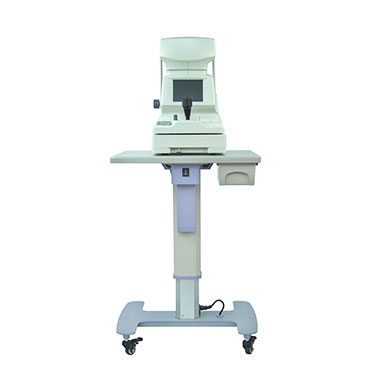
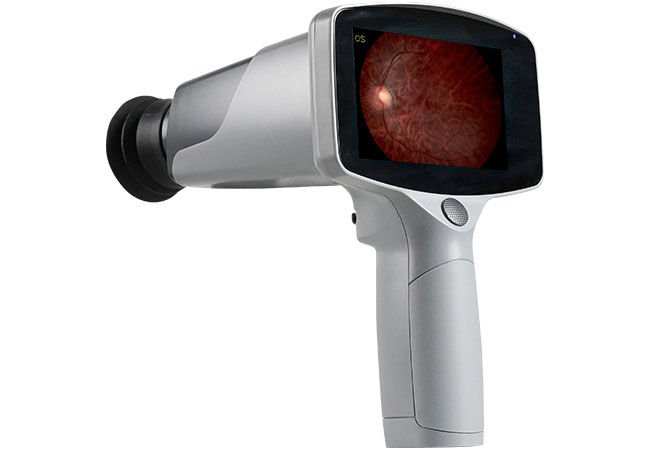
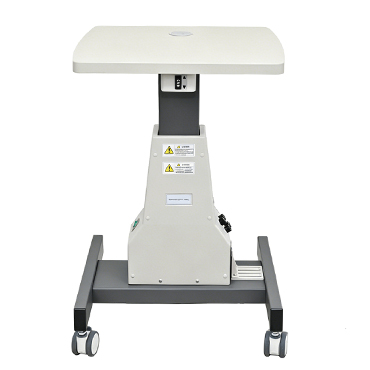
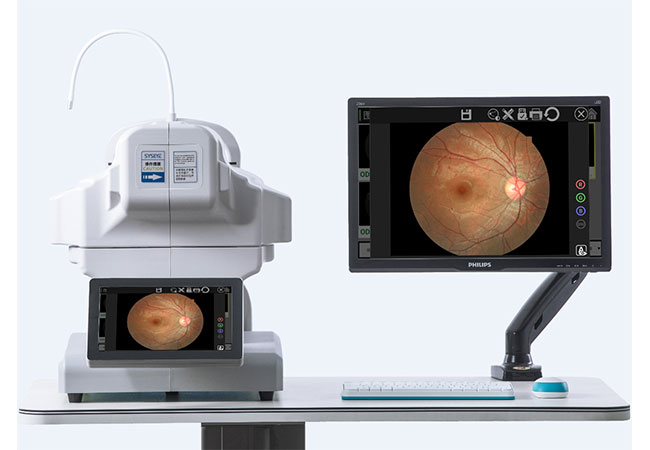
At Hongdee, we would prepare one line per item rather than combine a shipment into “eye equipment.” The line should distinguish a slit lamp, fundus camera, auto refractometer, table, accessory, spare part, or demonstration unit. We include the exact model and configuration, intended use as stated in the technical documents, power information, dimensions, net and gross weight, package count, and country of origin.
We also keep commercial and technical language consistent. If the invoice says “ophthalmic instrument” but the manual describes a specific diagnostic device, the broker may need clarification. We do not invent a tariff classification. We provide the facts the broker needs to propose and confirm the classification through the appropriate process.
A document-control table
| Packet section | What to provide | Who should validate |
|---|---|---|
| Product identity | Model, use, configuration, manufacturer | Exporter and importer |
| Commercial data | Invoice, currency, quantity, Incoterm | Commercial parties and broker |
| Packing data | Packages, dimensions, weight, marks | Logistics team |
| Regulatory data | Applicable Brazilian health-product status | Importer and ANVISA specialist |
| Transport data | Air or sea documents and consignee | Freight forwarder and broker |
The importer should tell the broker whether the goods are for sale, internal use, demonstration, repair, return, or another purpose. The purpose can change the documents and treatment. We treat that field as a required question, not an afterthought.
A foreign supplier should not describe one authority as responsible for the entire process. Customs and health regulation have different roles.
For a Brazil shipment, the importer and broker should check Receita Federal customs procedures, Siscomex requirements, and ANVISA rules applicable to the exact health product and import operation. The applicable rule must be confirmed for the shipment date.
Customs is not health-product authorization
Receita Federal materials address customs and foreign-trade administration. ANVISA addresses health surveillance matters for regulated products. A broker may coordinate the declarations, but the exporter should not promise that a commercial invoice alone resolves ANVISA requirements. The Brazilian importer remains central to local registrations, authorisations, and submissions.
The U.S. International Trade Administration’s Brazil import requirements and documentation guide notes importer registration and Siscomex context. We use it as a trade-process orientation, not as a substitute for Brazilian advice. For the official health-regulatory starting point, the importer should consult ANVISA’s medical-device regularisation information and confirm the current page and operation with its qualified local representative.
Record the date and scope of every check
Rules and system instructions can change. We record “checked 2026-10-12” in the internal packet, alongside the URL, product model, importer entity, and broker contact. If the broker gives written instructions, we preserve the instruction with the version of the invoice and packing list it addresses.
We avoid statements such as “Brazil always charges this rate.” Product, purpose, importer status, classification, and operation type can alter the analysis. This article addresses Brazil only and does not extend its process to other markets. We also recommend identifying which unanswered questions block shipment, who can resolve them, and what written evidence closes each question. A dated checklist should record decisions, not merely links.
How should you assemble the broker-ready consignment packet?
A packet is useful only if the broker can trace every document to the exact cargo. We organise it for review, not for marketing.
Create one indexed PDF folder plus editable source files. Link each invoice line to the model, package mark, technical document, and regulatory evidence. Keep versions controlled and flag unresolved questions before booking.
Suggested packet index
- Cover sheet with importer, exporter, consignee, broker, destination, purpose, and shipment reference.
- Product matrix with exact model, quantity, description, intended use, and package identifier.
- Signed commercial invoice and packing list, aligned line by line.
- Freight and transport documents when available.
- Product brochures, manuals, labels, photographs, and electrical specifications.
- Manufacturer information and country-of-origin statement where required.
- Importer’s ANVISA and customs information supplied by the importer or broker.
- A question log showing classification, regulatory, labelling, and document decisions.
We do not insert a certificate simply because it appears in an old shipment folder. The broker should confirm whether a document is required, who must issue it, the accepted language, and whether legalisation or translation is needed. If the shipment is a demonstration unit or return, we label that purpose clearly and ask for the appropriate procedure rather than copy a sale packet.
Make the invoice technically honest
The invoice should describe the goods in a way that is specific enough for the broker and consistent with the technical file. It should not claim approvals that have not been confirmed. It should not use a vague “medical machine” description to avoid a difficult question. We ask the buyer and broker to approve the commercial wording before final issue.
What should you ask the Brazilian importer and broker before shipment?
The exporter can prepare documents, but it cannot answer for the importer’s licence, registration, or customs representation.
Before booking, obtain written confirmation of the importer of record, broker, intended use, current regulatory pathway, required documents, classification approach, language needs, and who will resolve customs or ANVISA queries.
Questions that expose gaps
Ask whether the Brazilian importer is authorised to conduct the relevant foreign-trade operation and whether its broker has reviewed the exact model. Ask whether the product is already regularised or whether the importer needs a local regulatory assessment. Ask who will submit information in the applicable system. Ask whether labels, manuals, declarations, or translations need a particular format.
Also ask what happens if the authority requests clarification. A clear escalation path names the person who can answer technical questions, the deadline, the document version, and the decision owner. We do not offer a blanket release commitment. We offer an organised response pack so the local parties can make an informed submission.
| Before dispatch | Evidence to retain |
|---|---|
| Importer and broker appointed | Names, contact details, written confirmation |
| Product identity approved | Model matrix and signed technical description |
| Commercial documents aligned | Final invoice and packing list versions |
| Regulatory questions resolved or logged | ANVISA/broker correspondence and date |
| Shipment purpose confirmed | Sale, demonstration, return, repair, or other |
Our service page explains how we approach support questions, while the Hongdee quotation contact can be used to request a model-specific document list. For broader market context only, see our Latin America distributor import overview. None of these pages replaces the importer’s broker or Brazilian authority.
Sources and scope
- Brazil Ministry of Finance, Receita Federal customs and foreign-trade portal (official Brazilian customs portal; checked 2026-10-12; use the current import subpages).
- ANVISA, health-product regularisation portal (official Brazilian regulator; checked 2026-10-12; exact product and operation must be assessed).
- U.S. International Trade Administration, Brazil—Import Requirements and Documentation (checked 2026-10-12; trade-process orientation, not legal advice).
Conclusion
For Brazil, prepare a traceable broker packet and confirm each model with the importer, Receita Federal, Siscomex, and ANVISA. Do not generalise Brazilian requirements to Latin America or promise release, taxes, or timing.